


The Age of Manufactured Perfection
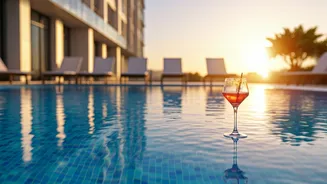
The infinity pool was more than just a place to swim; it was a statement. Popularized by high-end resorts from Bali to the Caribbean, it became the undisputed backdrop for a certain kind of dream life. Its key feature is its seamlessness—a perfectly engineered
illusion where man-made water meets the sky or sea without a visible boundary. This was luxury as control over nature, a flawless, architectural marvel designed for the perfect photograph. Posting a photo from an infinity pool wasn't just about documenting a trip; it was about broadcasting a lifestyle of effortless elegance and access. It communicated that you had arrived at a place where the messy edges of the real world were smoothed over, replaced by a pristine, blue vista. The experience was replicable, reliable, and universally understood as the pinnacle of resort-style opulence.
A New Definition of Luxury
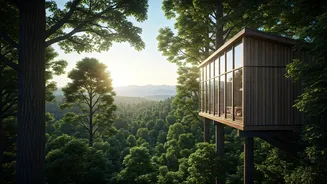
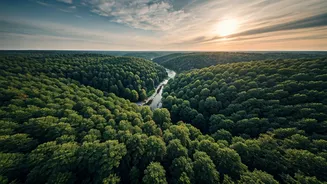
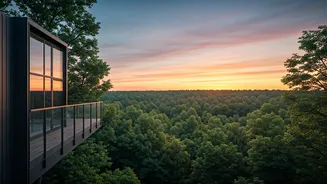
Now, a different kind of structure is capturing the imagination of discerning travelers: the luxury treehouse. Forget the splintery backyard forts of childhood. These are sophisticated, often architect-designed cabins and suites built among the branches, offering panoramic views, high-end amenities, and, most importantly, a sense of seclusion. Instead of conquering nature, the treehouse is designed to immerse you in it. The experience is defined by the sound of wind through the leaves, the scent of pine or damp earth, and the feeling of being gently suspended above the forest floor. Where the infinity pool is public and performative—a stage for being seen—the treehouse is private and introspective. Its luxury lies not in flawless engineering but in its unique, organic connection to its environment. It offers a story, a secret, a perch from which to observe the world quietly.
From Conspicuous to Connected
This shift isn't just about aesthetics; it's a reflection of our changing values. The move from the pool to the treehouse signals a broader pivot in travel from conspicuous consumption to a desire for meaningful connection. The infinity pool represents a shared, almost generic symbol of wealth. The treehouse, by contrast, feels personal and discovered. This aligns with several powerful cultural currents. First, the wellness movement has us seeking escapes that restore our mental and emotional balance, and studies increasingly show the benefits of “forest bathing” and nature immersion. Second, there's a growing hunger for authenticity. Travelers are tired of cookie-cutter experiences and are instead searching for unique stays that provide a genuine sense of place and a better story to tell. Finally, there is an undercurrent of sustainable consciousness. While not always a low-impact option, the treehouse carries an ethos of respecting the landscape rather than paving over it. It’s a move from luxury defined by what you can build to luxury defined by what you can experience.
Where to Find the View
This trend isn't just a niche phenomenon; it's being embraced by the hospitality industry. Platforms like Airbnb have seen searches for “treehouses” and other “unique stays” skyrocket. High-end eco-resorts from Costa Rica to Scandinavia are making treetop villas their signature offerings. In the U.S., destinations like Post Ranch Inn in Big Sur have long offered treehouse-style rooms that blend rustic appeal with five-star comfort. Smaller, independent ventures like The Klickitat Treehouse in Washington or The Mohicans in Ohio have become wildly popular, booked months or even years in advance. They prove that the modern traveler is willing to trade the poolside cocktail service for the quiet majesty of a forest canopy. The new status isn’t about joining the party at the pool bar; it’s about having a private deck in the sky where the only sounds are the ones nature provides.