


So, What Is 'Chatpata'?
If your first instinct is to translate 'chatpata' to 'spicy,' you're only scratching the surface. This Hindi and Urdu term describes not a single taste but a symphony of them. It’s a dynamic, mouth-puckering, lip-smacking experience that hits you all
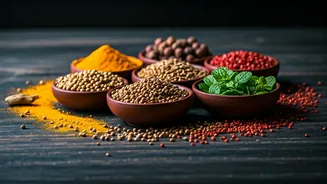
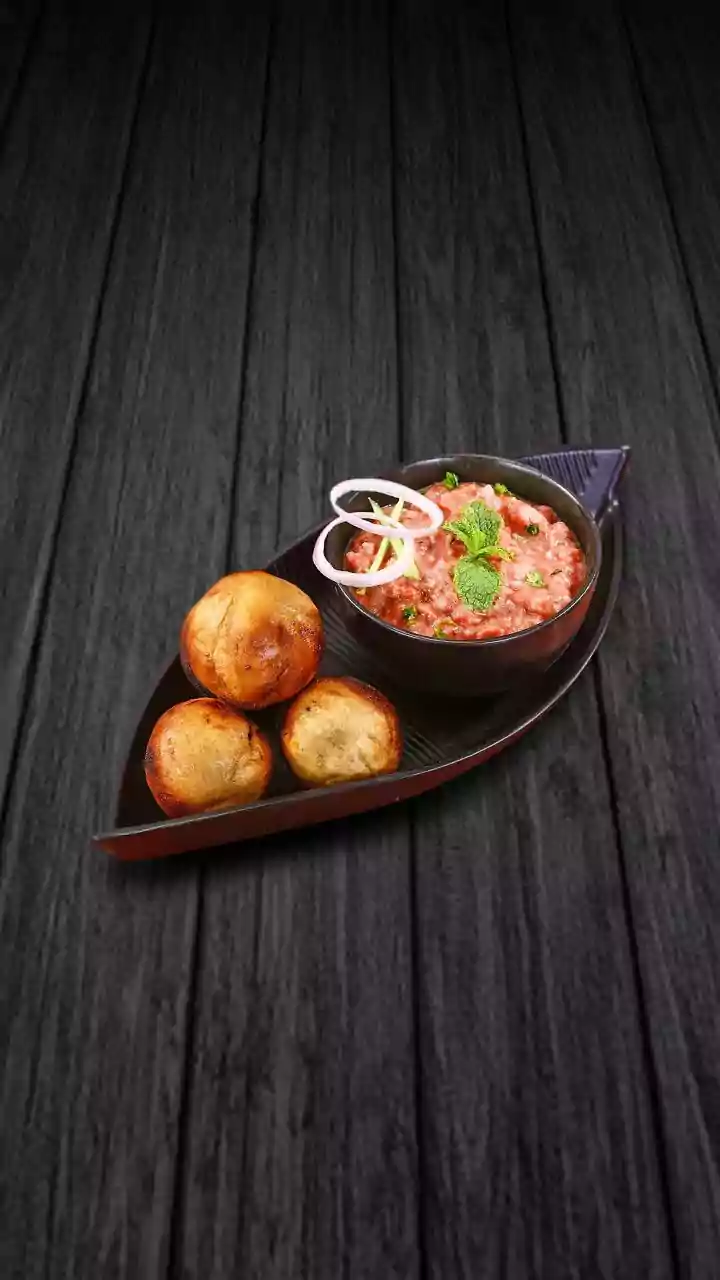
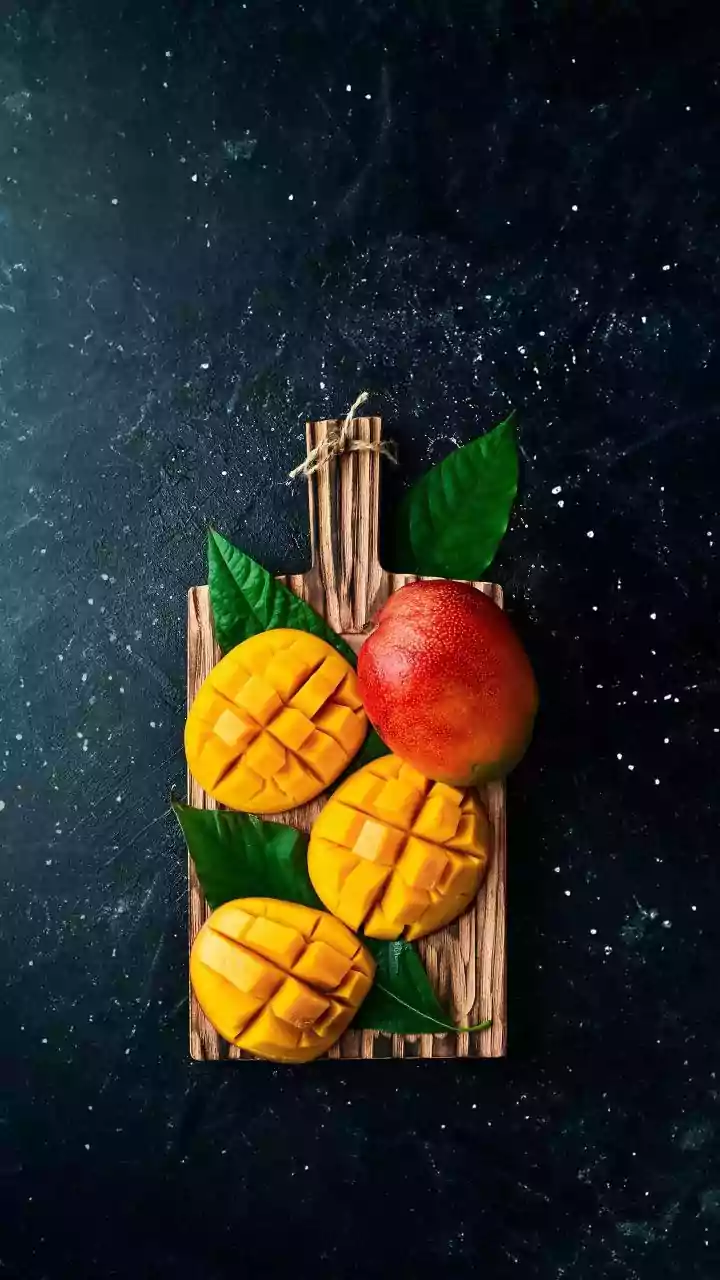
at once: tangy, hot, salty, and often a little sweet. Think of it as a flavor profile designed to wake up every single taste bud. The tang might come from tamarind or amchur (dried green mango powder), the heat from fresh green chiles, the savory saltiness from kala namak (black salt), and a balancing sweetness from a touch of jaggery or date chutney. It’s less of a recipe and more of an art form, a controlled explosion of flavor that defines much of South Asia's beloved street food, known as chaat.
From Technical Skill to Flavor Fluency
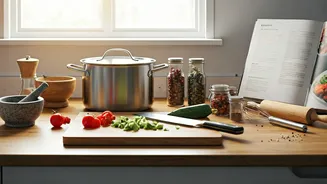
The pandemic-era cooking boom created a generation of highly skilled home chefs. We perfected our focaccia, nurtured our sourdough starters, and learned to braise like pros. We bought the Dutch ovens, the stand mixers, and the high-carbon steel pans. But once you’ve mastered the Maillard reaction, where do you go? The new flex is moving beyond the *how* of cooking to the *why* of flavor. It's about cultural fluency. Sourcing high-quality asafetida or knowing the difference between black salt and regular salt is the new culinary bragging right. It signals a deeper engagement with global cuisine, a willingness to build a pantry that looks beyond the European continent and to understand flavor on a more intuitive, complex level. It’s a quiet proclamation that your palate is adventurous and your knowledge is deep.
The Art of the Flavor Bomb
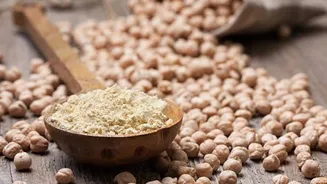
Mastering chatpata is a flex because it’s hard to get right. Anyone can dump chili powder into a dish and call it spicy. But balancing the sour, sweet, pungent, and salty notes of a proper chaat is a delicate dance. It requires an understanding of how ingredients interact. Too much tamarind and it’s just sour; too much sugar and it becomes cloying. The goal is a flavor that evolves in your mouth. This is why chaat masala, the signature spice blend of the chatpata world, is so magical. It’s a pre-made cocktail of complexity, typically containing amchur, cumin, coriander, black salt, and chile powder. Learning to use it—or even better, making your own—is the mark of someone who has graduated from following recipes to truly understanding taste.
How to Spot the Chatpata Flex
You're already seeing this trend bubble up, even if you didn't have the word for it. It's in the way modern cookbooks from chefs like Priya Krishna and Chitra Agrawal encourage you to sprinkle chaat masala on pizza or roasted sweet potatoes. It’s the friend who serves a stunning bhel puri (a puffed rice salad loaded with chutneys, onions, and potatoes) as an appetizer instead of chips and dip. It's the avocado toast on your Instagram feed dusted not with 'everything bagel' seasoning, but with a tangy, funky layer of chaat masala and a drizzle of spicy green chutney. The flex isn't loud. It's a knowing wink—a shared secret among those who have discovered that the most exciting flavors are often the most layered and complex.