





Mind the Water and Where You Park
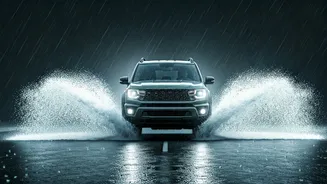
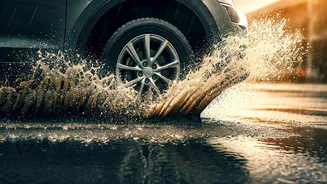
Flash floods are the most dangerous and destructive part of monsoon season. Water can rise inches in mere minutes, turning a dry wash or a street underpass into a raging river. The number one rule is to avoid parking in low-lying areas, washes, and drainage
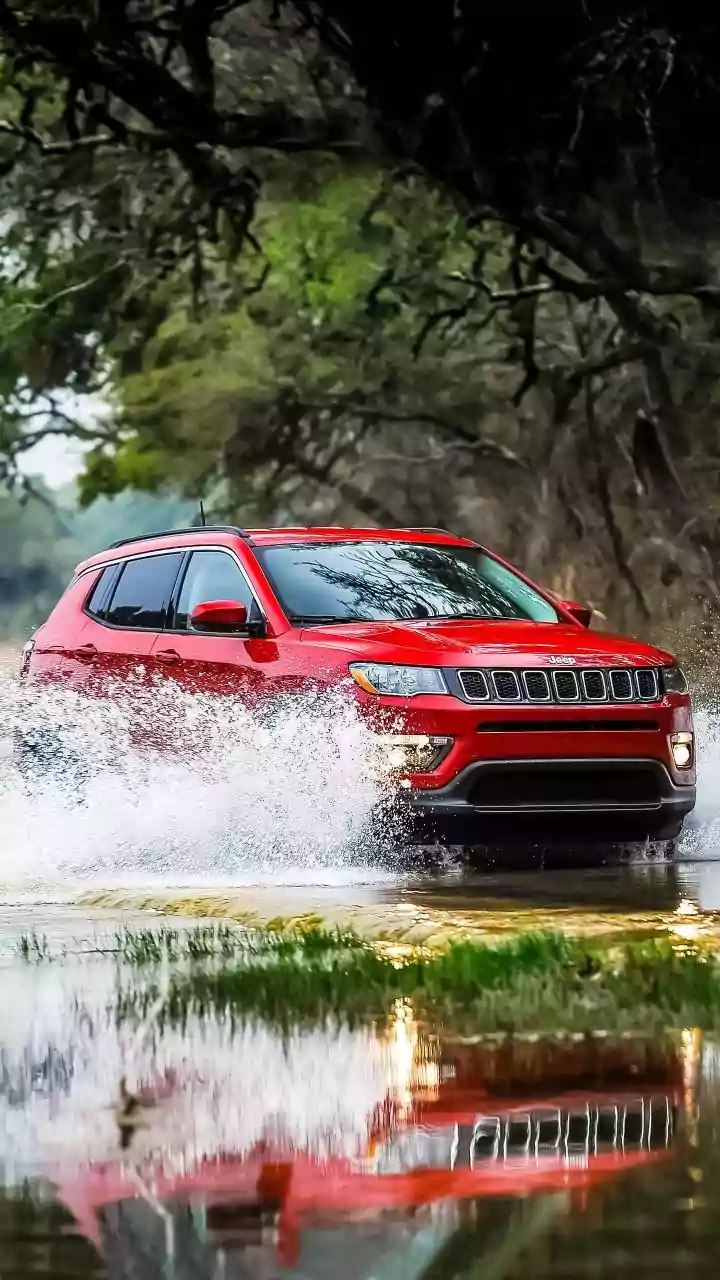
channels, even if they look bone-dry. If you live in a flood-prone area, have an evacuation plan that includes moving your vehicle to higher ground before a storm arrives. Even six inches of moving water can knock you off your feet, and a foot of water can float many vehicles. Water damage can lead to a totaled car by ruining the engine, transmission, and complex electrical systems. Also, check the rubber seals on your doors and windows to ensure they are in good condition, as brittle or cracked seals can allow water to seep in and cause mold or electronic damage.
Defend Against Dust and Debris
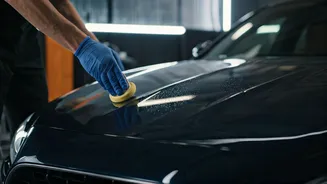
The other signature of the monsoon is the haboob—a colossal wall of dust that can reduce visibility to zero and sandblast everything in its path. This fine dust is incredibly invasive. First, protect your car’s finish by applying a fresh coat of wax before the season starts. This creates a barrier that makes it easier to wash off the abrasive dust without scratching the paint. More importantly, check and consider replacing your engine and cabin air filters. A clogged engine air filter can reduce performance and fuel efficiency, while a dirty cabin air filter will pump that dusty air directly into your car for you to breathe. After a major dust storm, it’s wise to check them again, as a single haboob can completely clog a new filter.
Inspect Your Wipers, Tires, and Lights
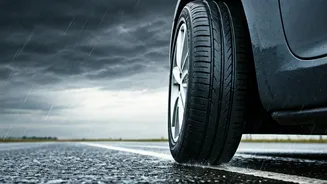
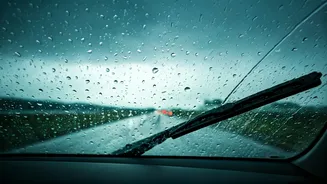
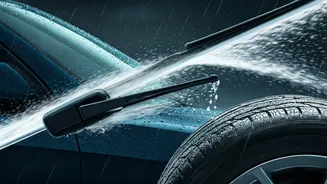
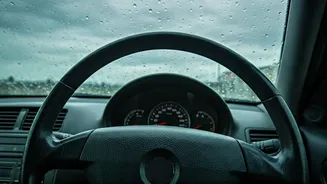
This is basic maintenance, but it becomes critical during a monsoon. Your windshield wipers are your first line of defense in a sudden downpour. The intense sun in the Southwest can degrade rubber wiper blades in a single year, leaving them cracked and ineffective. Replace them if they show any signs of wear or leave streaks. Next, check your tires. Ensure they have adequate tread depth to channel water away and prevent hydroplaning on slick roads. Use the simple penny test: if you can see all of Abe Lincoln's head when you stick a penny in the tread, it's time for new tires. Finally, walk around your car and test all your lights—headlights, taillights, and brake lights. In a low-visibility downpour or dust storm, being seen is just as important as seeing.
Master Safe Monsoon Driving
If you get caught driving in a monsoon storm, safety is paramount. The golden rule is simple: Turn Around, Don't Drown. Never attempt to drive through a flooded roadway. You can't tell how deep the water is or if the road underneath has been washed away. If your car stalls in rising water, abandon it immediately and move to higher ground. When driving in heavy rain, slow down significantly to reduce the risk of hydroplaning. If you feel the car start to hydroplane (a sensation of floating or pulling), ease your foot off the gas and steer straight until you regain traction. Do not slam on the brakes. During a haboob, the safest action is to pull off the road as far as possible, turn off your lights, and take your foot off the brake so other drivers don't mistake your vehicle for the one to follow.
Build a Monsoon-Ready Emergency Kit
Getting stranded is a real possibility, whether due to a flash flood, a mechanical issue, or a road closure. Your standard car emergency kit should be updated for monsoon conditions. In addition to jumper cables and a first-aid kit, ensure you have a powerful flashlight with extra batteries, a phone charger or power bank, and a blanket. Most importantly, stock plenty of water and non-perishable snacks. A monsoon storm might only last an hour, but its effects—like a washed-out road—can leave you waiting for help much longer. Being prepared can turn a potential crisis into a manageable inconvenience.
Handle the Aftermath Correctly
After the storm has passed, a quick inspection can prevent long-term issues. If you’ve driven through any standing water, it's a good idea to gently tap your brakes to help dry them out. Check under the hood for any debris, like leaves or twigs, that may have been washed into the engine bay. When washing your car after a dust storm, rinse it thoroughly with a hose before you ever touch it with a sponge or cloth. Wiping the dry dust on your paint is like using fine-grit sandpaper and will create a web of tiny scratches. A pre-rinse will lift the majority of the abrasive particles off safely.