

The Rise of the Countertop Farm
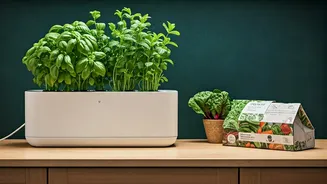
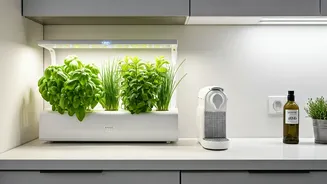
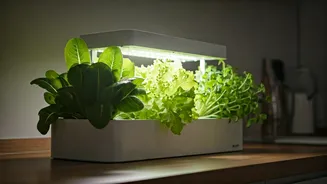
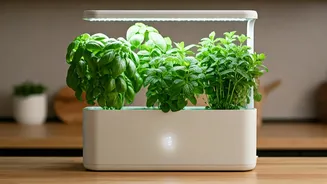
Walk into a growing number of modern urban homes, and you might spot a new kind of appliance humming quietly in the corner: a sleek, glowing tower or a compact countertop unit filled with vibrant green life. These aren't just decorative houseplants. They
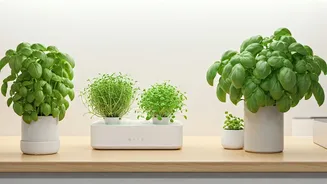
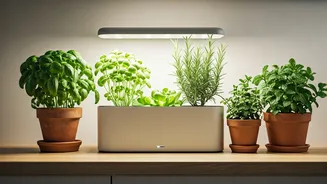
are fully functional, highly automated indoor gardens. Brands like AeroGarden, Gardyn, and Click & Grow have popularized systems that allow anyone, regardless of gardening experience or outdoor space, to cultivate everything from crisp lettuce and aromatic herbs to juicy cherry tomatoes. This trend represents a fundamental shift in our relationship with food, moving the 'farm-to-table' concept from a restaurant slogan to an everyday domestic practice. It's the ultimate expression of local eating, where the distance from harvest to plate is measured in footsteps, not miles.
How Does It Actually Work?
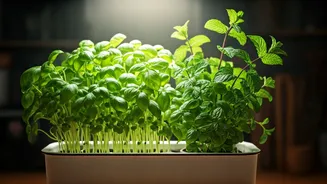
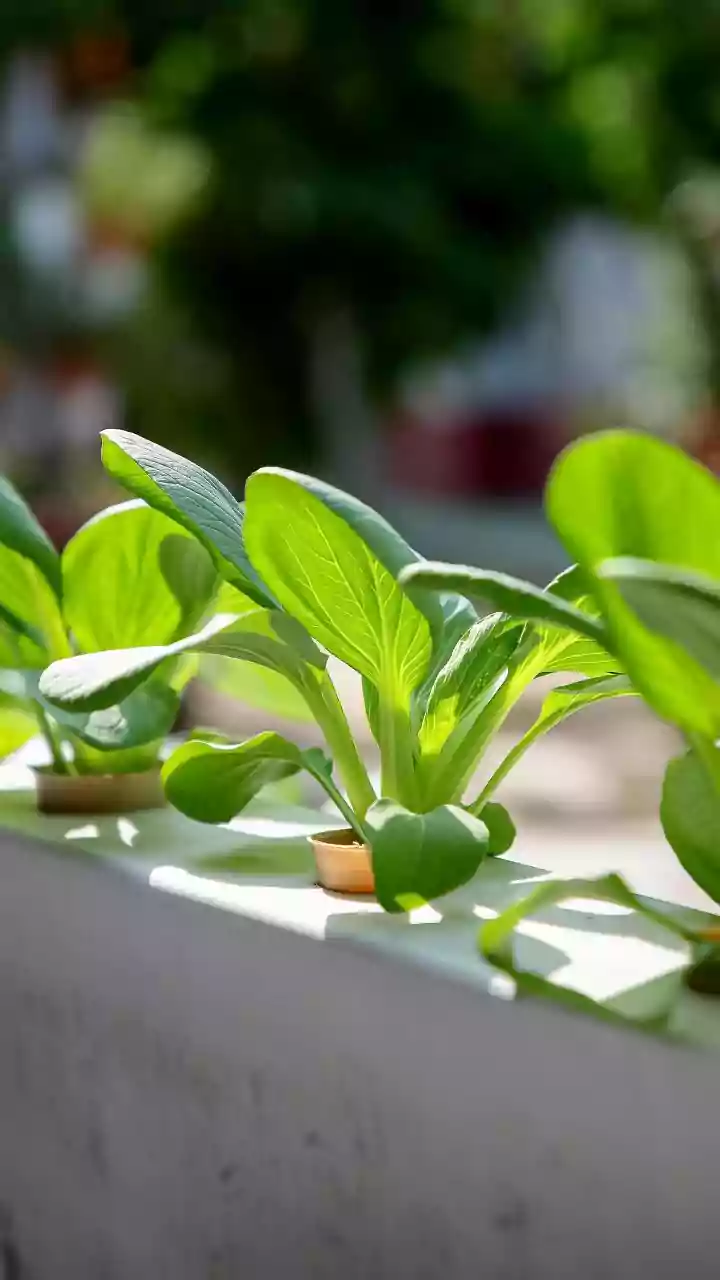
The magic behind these indoor farms is primarily hydroponics or aeroponics—methods of growing plants without soil. In a typical hydroponic system, plant roots are suspended in water that's been enriched with a nutrient solution. A small pump circulates the water, ensuring the roots get everything they need, while full-spectrum LED grow lights mimic the sun, providing the energy for photosynthesis. The whole process is often automated, with timers managing the light cycles and reminders signaling when to add more water or nutrients. Some more advanced aeroponic systems take it a step further, misting the plant roots with a nutrient-rich vapor. For the user, the experience is remarkably simple. You insert pre-seeded pods (think of them like coffee pods, but for plants), fill a water reservoir, and let the machine handle the rest. It's gardening without the dirt, guesswork, or weather dependency.
What Can You Grow?
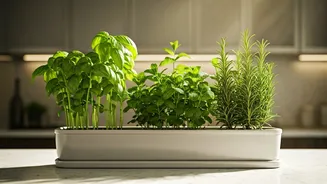
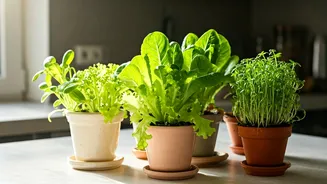
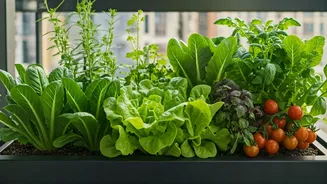
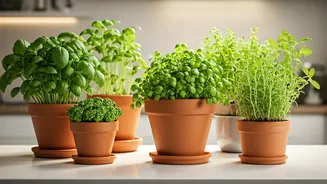
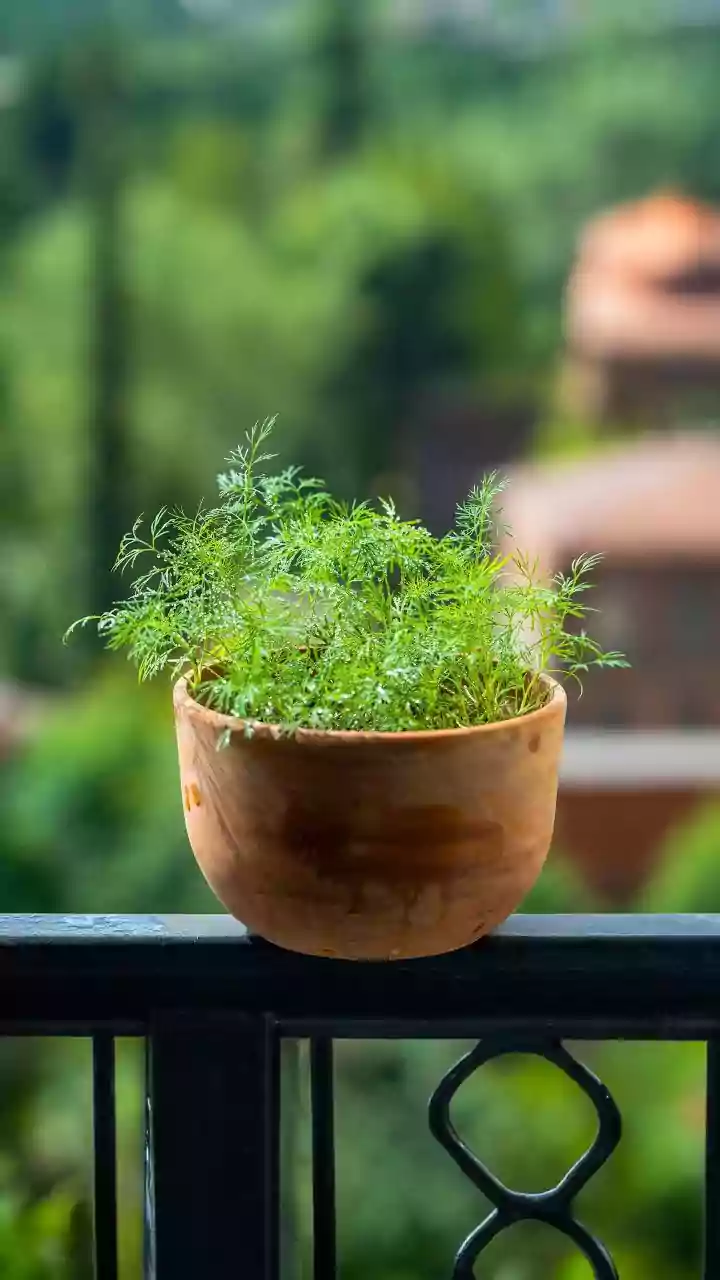
While you won't be harvesting watermelons or ears of corn, the variety of what you can grow is surprisingly vast and perfectly suited for daily meals. As the headline suggests, salad greens are the star of the show. You can cultivate a continuous supply of romaine, butter lettuce, arugula, and kale, ensuring you always have the makings of a fresh salad. Herbs are another staple, with basil, cilantro, dill, mint, and parsley thriving in these systems, ready to be snipped for sauces, garnishes, and cocktails. Many units can also support fruiting plants like cherry tomatoes and peppers, offering a taste of summer produce even in the dead of winter. The flavor is a revelation; produce harvested moments before being eaten has a crispness and vibrancy that grocery store equivalents, which have often traveled for days, simply can't match.
The Real Cost and Commitment
This convenience comes with an investment. Entry-level countertop models that can hold a handful of plants start around $100. Larger, freestanding vertical systems capable of growing 30 or more plants at once can run from $500 to over $1,000. Beyond the initial purchase, there are ongoing costs for replacement seed pods and nutrient solutions, which can amount to a subscription-like fee depending on the brand and how much you grow. Electricity is another factor, as the powerful LED lights run for 12 to 16 hours a day, though they are generally energy-efficient. As for time commitment, it's minimal. You’ll spend a few minutes every couple of weeks topping up the water and adding nutrients. The most time-consuming part, pleasantly, is harvesting your fresh produce every day.
Why the Appeal of an Indoor Garden?
The trend isn't just about technology; it's about a deeper set of desires. For many, it's about food security and transparency—knowing exactly what's in your food and that it's free from pesticides and herbicides. For others, it’s a powerful tool against food waste; you harvest only what you need, when you need it. In an era of supply chain disruptions and rising grocery prices, having a reliable source of fresh greens at home feels both practical and empowering. There's also a significant wellness component. The presence of living greenery can reduce stress, and the act of nurturing a plant from seed to harvest provides a tangible sense of accomplishment and a welcome connection to nature, even in the most densely populated urban environment.