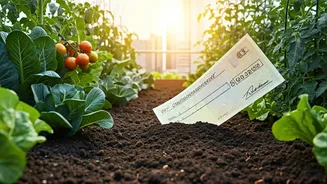





Reframe Your Search: Think 'Support,' Not 'Cheque'
First, let's manage expectations. There isn't a single federal program that mails a check to every American who plants a tomato on their terrace. The headline's promise is a simplified version of a more complex reality. Government funding for gardening
and urban agriculture is very real, but it typically comes in the form of grants, cost-share agreements, rebates, and technical assistance. These programs are often competitive, require an application, and are targeted toward projects that provide a community benefit, promote sustainability, or support local food systems. The good news is that with a little research, even a small-scale project can often qualify for some form of support.
Start Federally: The USDA's Urban Focus
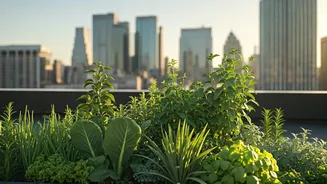
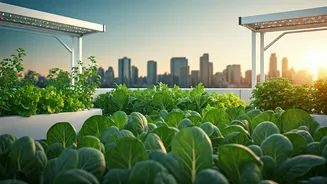
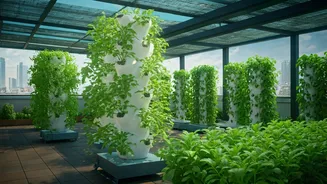
The United States Department of Agriculture (USDA) is the biggest player in this space. Its Office of Urban Agriculture and Innovative Production (OUAIP) offers several key opportunities. While many of their larger grants are for non-profits, schools, or local governments establishing community gardens or larger urban farms, individual producers aren't left out. The Environmental Quality Incentives Program (EQIP), administered by the Natural Resources Conservation Service (NRCS), is a powerful tool. It offers financial and technical assistance to help agricultural producers implement conservation practices. For an urban grower, this could translate into cost-sharing for a high tunnel (a type of greenhouse) to extend your growing season, an efficient irrigation system, or creating a pollinator habitat—all of which could be part of a large terrace or rooftop setup.
Go Local: Your Best Bet for Direct Aid
For individual home gardeners, the most accessible help is often found at the state, county, or city level. These programs are tailored to local needs and are generally less complex than federal grants. Start by searching for terms like "[Your City] urban agriculture grant," "[Your County] soil and water conservation district," or "[Your State] department of agriculture grants." Many municipalities offer specific rebates that directly benefit home gardeners. For example, your local water authority might offer a rebate for installing a water-wise drip irrigation system or for replacing your lawn with a vegetable garden (a practice known as 'cash for grass'). City sanitation departments sometimes provide free compost or mulch, saving you a major expense. These local programs are your most direct path to getting 'money' for your veggie patch.
Prepare for the Paperwork
Applying for any grant or program requires preparation. You can't simply raise your hand and expect a check. Whether you're applying for a small local rebate or a larger federal cost-share, you will likely need to provide: * A Project Plan: A clear description of what you want to do, your goals (e.g., grow X pounds of produce, conserve Y gallons of water), and a timeline. * A Budget: A detailed breakdown of your expected costs, including soil, seeds, lumber for raised beds, irrigation supplies, and tools. Be specific about what you're asking the program to fund. * Site Information: Photos of your terrace, rooftop, or yard, and proof that you have the right to use the space (e.g., you own the property or have written permission from your landlord or HOA). * A 'Why': Most applications want to know the public benefit. Frame your project in terms of sustainability, education (if you plan to teach kids), food security, or neighborhood beautification.
Look Beyond Cash: Free Resources Abound
Don't underestimate the value of non-monetary support. Every state has a Cooperative Extension System linked to a land-grant university. These offices are staffed with experts who provide free, research-based advice on everything from soil testing to pest management. This guidance can save you from costly mistakes and dramatically improve your garden's success. Similarly, programs like NYC GreenThumb provide not only grants but also technical assistance, materials, and a network of fellow gardeners. Tapping into this expertise is a form of support that pays dividends long after a one-time grant is spent.