


Why Rain is the New Luxury
Let’s be honest: the pressure to have a perfect, sun-drenched vacation is exhausting. We’ve all seen the pictures—the flawless beach, the toes pointed just so, the sunset that looks like a stock photo. The new flex isn’t about replicating that image;
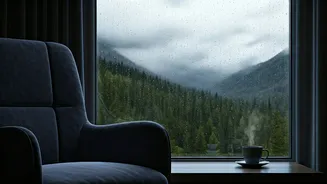
it’s about finding beauty where others see gloom. It’s about trading the crowded beach for a misty forest, the sunburn for the cozy feeling of being inside during a downpour. This is pluviophile travel—the love of rain—and it’s about embracing atmosphere over algorithm-friendly perfection. It suggests a more contemplative, discerning traveler who isn't afraid of a little weather. It means fewer crowds, often lower prices during the “off-season,” and a deeper connection to a place in its most authentic state. The flex is simple: you’re so confident in your vacation choices, you don’t need the weather to cooperate.
The Pacific Northwest: Forest Bathing, Elevated
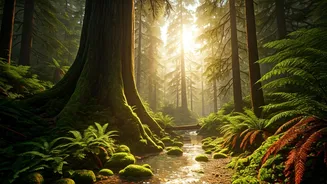
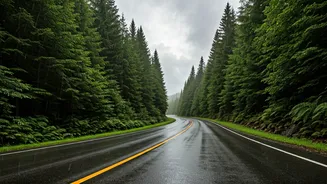
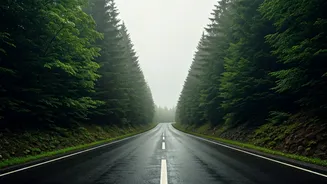
This is the spiritual home of the rain-fed getaway. From the Hoh Rainforest in Washington’s Olympic National Park to the moody coastline of Oregon, the Pacific Northwest was built for this trend. Instead of a dreary obstacle, the near-constant drizzle from fall through spring is the main event. It’s what makes the greens so impossibly vibrant, the moss hang like emerald velvet from ancient firs, and the air smell of petrichor and damp earth. A getaway here isn't about dodging showers; it's about gearing up in quality waterproofs and leaning in. Imagine a hike where every drop amplifies the sounds of the forest, followed by an evening at a coastal inn, watching storms roll in over the Pacific with a local pinot noir in hand. It’s not just a trip; it’s a full-sensory immersion.
The Arizona Desert: Where Storms Are the Show
Now for the counter-intuitive pick. Arizona in July and August? That’s monsoon season, and it's one of the most spectacular shows on Earth. Forget the gentle drizzle of the PNW; this is high drama. The day builds with heat and humidity until the afternoon sky turns a bruised purple. Then, the heavens open up. Lightning cracks across the vast expanse, illuminating the iconic saguaros and red rock formations. The rain comes in a sudden, violent, and glorious burst, cooling the 110-degree air by 20 degrees in minutes. The smell of creosote bushes, released only by the rain, is the signature scent of the desert. Travelers in the know book rooms with wide windows or covered patios in places like Sedona or Tucson to watch the daily performance. The sun will be back in an hour, but the memory of the storm is what you came for.
The Appalachian Highlands: Chasing Fog and Waterfalls
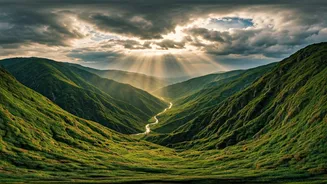
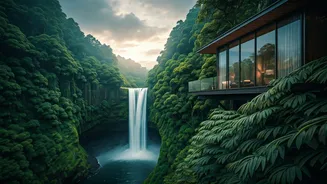
The mountains of North Carolina, Tennessee, and Virginia have their own brand of rainy magic. In the summer and fall, afternoon thunderstorms are common, but it's the lingering fog and mist that create an otherworldly atmosphere. Driving the Blue Ridge Parkway on a cloudy day, with the peaks and valleys appearing and disappearing in the shifting haze, is a bucket-list experience. The rain swells the region’s countless waterfalls, turning gentle trickles into roaring cataracts. A rainy-day itinerary here involves a short hike to a powerful waterfall, a visit to a cozy mountain town like Asheville for craft brews and live music, and booking a cabin with a hot tub and a fireplace. It’s about embracing the slow, mystical rhythm of the mountains when they are at their most contemplative and lush.
New Orleans: A Subtropical Sojourn
New Orleans in the summer is hot, humid, and prone to dramatic, short-lived downpours. Most tourists flee. The savvy traveler, however, knows this is the city at its most authentic. The sudden rain clears the streets of the French Quarter, letting you admire the ironwork balconies and Creole townhouses without the usual crowds. It’s the perfect excuse to duck into a dark, historic bar for a Sazerac, listen to a jazz trio in an empty room, or enjoy a long, leisurely lunch at one of the city’s culinary temples. The rain cuts the oppressive humidity, and the wet cobblestones reflect the neon signs in a way that feels straight out of a movie. It’s a time to experience the city not as a frantic tourist, but as a temporary resident, moving at the languid, weather-beaten pace of local life.