







Food as a Sacred Offering
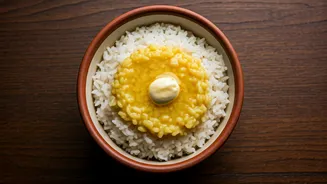
In many of India’s Hindu temples, food is more than sustenance; it's a form of prayer. Kitchens operate not as commercial enterprises but as sacred spaces preparing 'prasadam'—food first offered to the temple’s deity and then distributed to devotees.
This tradition is built on a philosophy that food should be pure, spiritually uplifting, and prepared with a calm and focused mind. The goal isn't just to feed the body but to nourish the soul and promote a state of tranquility. This ancient approach views the energy of the cook and the quality of the ingredients as essential components that are 'transferred' to the person eating the meal, a concept that resonates deeply with today's mindfulness movement.
The Sattvic Philosophy
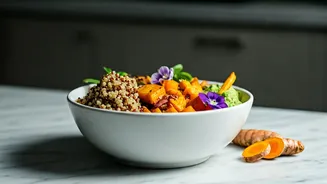
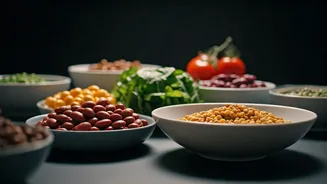
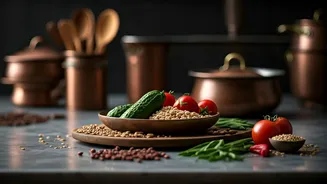
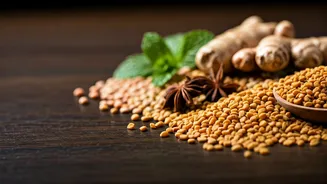
The bedrock of most temple cooking is the Sattvic diet, an Ayurvedic principle centered on foods that are considered pure, essential, and life-giving. A Sattvic plate is typically vegetarian, emphasizing fresh, seasonal fruits and vegetables, whole grains, legumes, nuts, seeds, and milk products. It’s what’s left out that often surprises Westerners. Sattvic cooking strictly avoids ingredients believed to be overstimulating or 'tamasic' (heavy) and 'rajasic' (agitating). This means no onions, garlic, mushrooms, caffeine, or heavily fermented foods. The reasoning is that these ingredients can agitate the mind and body, hindering meditation and clarity. Instead, flavor comes from a masterful use of herbs and spices like ginger, turmeric, cardamom, and coriander, which are believed to have healing, balancing properties.
Technique Over Trend
While ingredients are key, the techniques are what truly set this style of cooking apart. Temple cuisine favors methods that preserve the life force, or 'prana,' of the food. This often translates to slow-cooking, steaming, and minimal processing. There’s no aggressive deep-frying or microwaving. The emphasis is on gentle preparation that makes nutrients easy to digest and absorb. It’s a stark contrast to the quick, high-heat methods common in modern cooking. For instance, lentils might be slow-simmered for hours with specific spices to break them down into a nourishing, easily digestible soup. This focus on gut health and gentle preparation aligns perfectly with contemporary wellness goals, where digestive well-being is seen as the cornerstone of overall health.
From Temple to Table
This ancient philosophy is now finding a modern audience. High-end chefs in the U.S. and beyond are drawing inspiration from Sattvic principles to create plant-forward menus that are both complex in flavor and light on the body. You might not see 'temple food' on the menu, but its influence is there in the focus on seasonal produce, the artful omission of onion and garlic, and the creation of dishes designed to feel restorative. At home, the trend is taking shape as a move toward more intentional cooking. It’s less about rigidly following a recipe and more about embracing the spirit of the practice: choosing fresh ingredients, cooking with a calm mind, and thinking of food as a form of self-care. It taps into the same desire for clean eating and plant-based diets but adds a deeper, more holistic layer of mindfulness and spiritual well-being.