


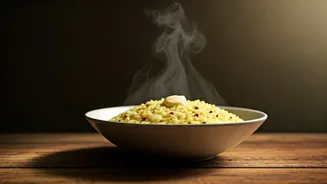
The Comfort Food Contradiction
Generation Z, a demographic practically defined by its digital fluency and wellness obsession, seems an unlikely candidate to lead a culinary revolution rooted in the past. They track macros, post their gym selfies, and have turned 'clean eating' into
a global phenomenon. Yet, across India's bustling cities, a fascinating counter-trend is emerging. Young Indians are turning away from quinoa bowls and avocado toast and instead embracing 'ghar ka khana'—literally, 'home's food.' These are the simple, unpretentious, and often carb-heavy dishes they grew up with, the kind of food that offers a hug in a bowl. It’s a move that seems to fly in the face of modern health dogma, but it points to a deeper, more holistic understanding of what it means to be well.
What's on the Menu?
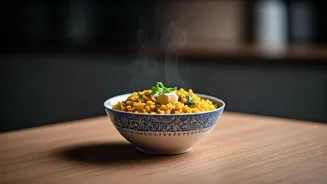
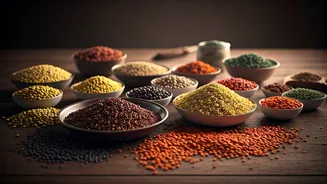
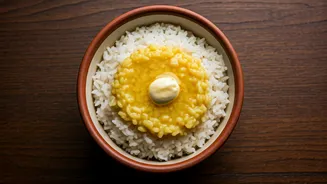
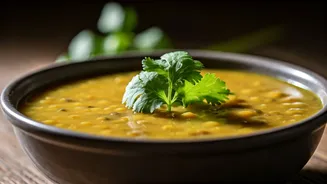
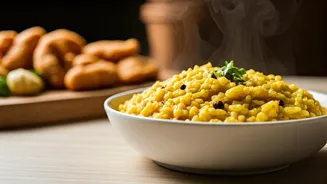
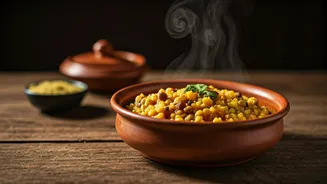
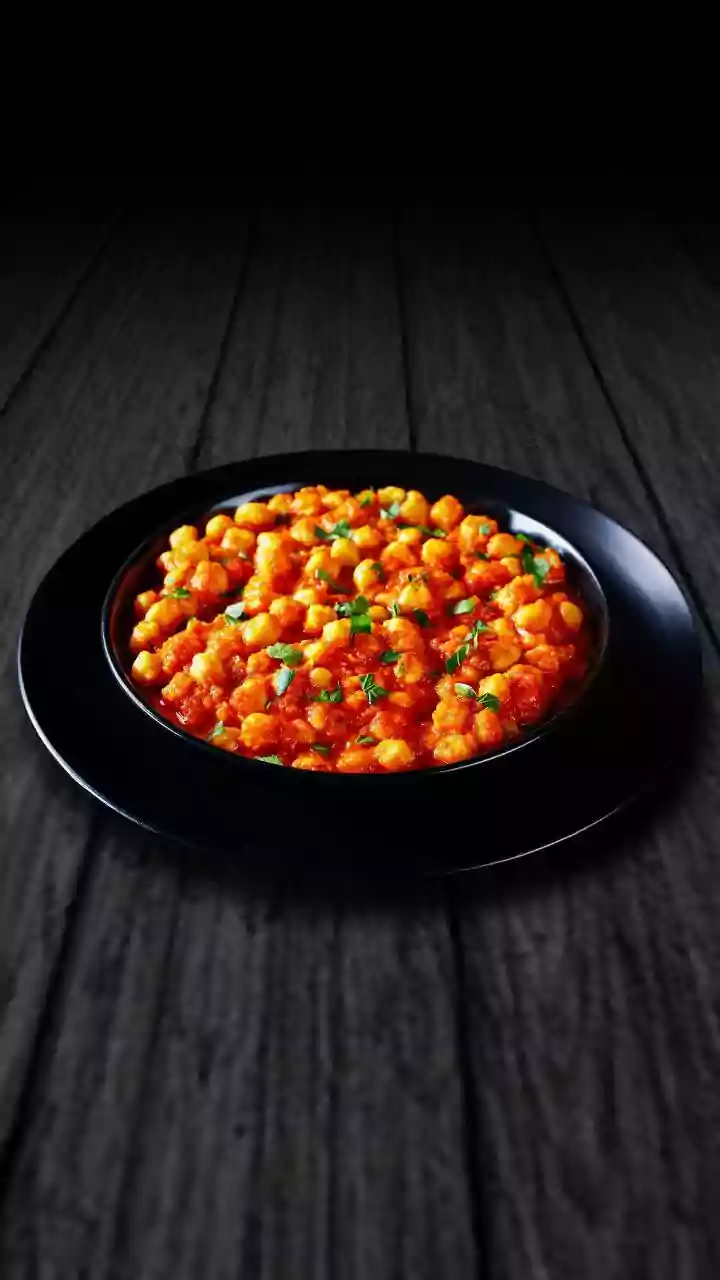
The stars of this nostalgic resurgence aren’t flashy or complex. They are the humble mainstays of the Indian kitchen. Think of 'khichdi,' a comforting porridge of rice and lentils, often the first solid food an Indian baby eats and the go-to meal when someone is feeling under the weather. Or 'rajma chawal,' a hearty and flavorful kidney bean curry served over steamed rice, a Sunday lunch staple in many North Indian homes. Another is simple 'dal-rice,' a universally loved dish of lentil soup paired with rice that forms the backbone of daily meals across the subcontinent. For an American audience, the emotional equivalent might be a perfectly made grilled cheese with tomato soup or a bowl of mac and cheese on a rainy day. These meals aren't about culinary acrobatics; they’re about memory, familiarity, and an emotional connection that no imported superfood can replicate.
Redefining 'Healthy'
This trend isn't about abandoning health; it’s about expanding its definition. For many in India’s Gen Z, wellness is no longer just a numbers game of calories in, calories out. It’s also about mental and emotional stability. The COVID-19 pandemic played a significant role in accelerating this shift. Confined to their homes, many young people rediscovered the rhythms of the family kitchen. Cooking and eating traditional meals became a source of comfort and control in a world that felt chaotic. This experience fostered a powerful realization: food that soothes the soul is just as important as food that fuels the body. The comfort of a familiar meal became a form of self-care, proving that 'healthy' can also mean feeling safe, grounded, and connected to one’s roots.
A Pushback Against Global Fads
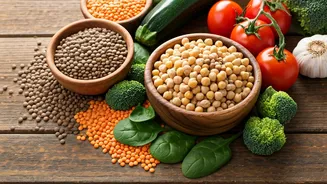
The turn towards traditional foods is also a subtle act of cultural rebellion. For years, the global wellness industry has pushed a largely Western-centric diet, crowning exotic and expensive ingredients like goji berries and chia seeds as the pinnacles of health. This movement quietly pushes back, suggesting that the answers to well-being might not lie in an imported package from a health food store but in the wisdom of one's own culinary heritage. By championing local, seasonal, and traditional ingredients, Indian Gen Z is asserting its identity. It’s a declaration that turmeric, ginger, and lentils—ingredients their grandmothers have used for centuries—are the original superfoods. This isn't just about nutrition; it's about decolonizing their plates and finding pride in authenticity.
Making Tradition Trendy
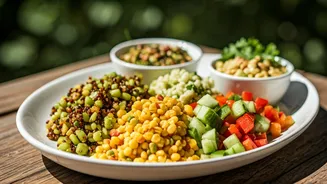
Naturally, this movement is playing out on social media. Instagram feeds that were once dominated by pristine smoothie bowls are now dotted with aesthetically pleasing shots of dal, rustic thalis (platters with multiple small dishes), and steaming bowls of khichdi. Food influencers and everyday users alike are sharing family recipes, celebrating regional culinary diversity, and making 'old-school' cool again. By presenting these simple meals with modern visual flair, they are reframing tradition not as something stuffy or outdated, but as something desirable, authentic, and deeply relevant. This digital validation has been crucial, allowing a generation to embrace its heritage while still participating in the global visual language of contemporary food culture.