





The Old Itinerary Gets Deleted
For decades, domestic travel in India followed a familiar script. A family from, say, Delhi would save up for a trip to the beaches of Goa or the palaces of Rajasthan. The trip would involve a checklist: see the Taj Mahal, get a photo at the Gateway of India,
ride a camel, and stay in a recognizable chain hotel. It was about seeing the sights, not necessarily experiencing the place. The goal was often to prove you’d been there, collecting destinations like stamps in a passport. But for India’s massive population of millennials and Gen Z—who now make up a significant portion of the country's spending power—that model feels dated, impersonal, and deeply unappealing. They’re not just looking for a getaway; they’re looking for a story.
From Tourist to Temporary Local
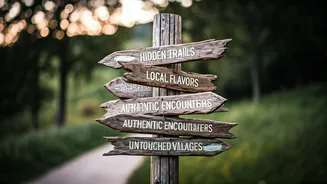
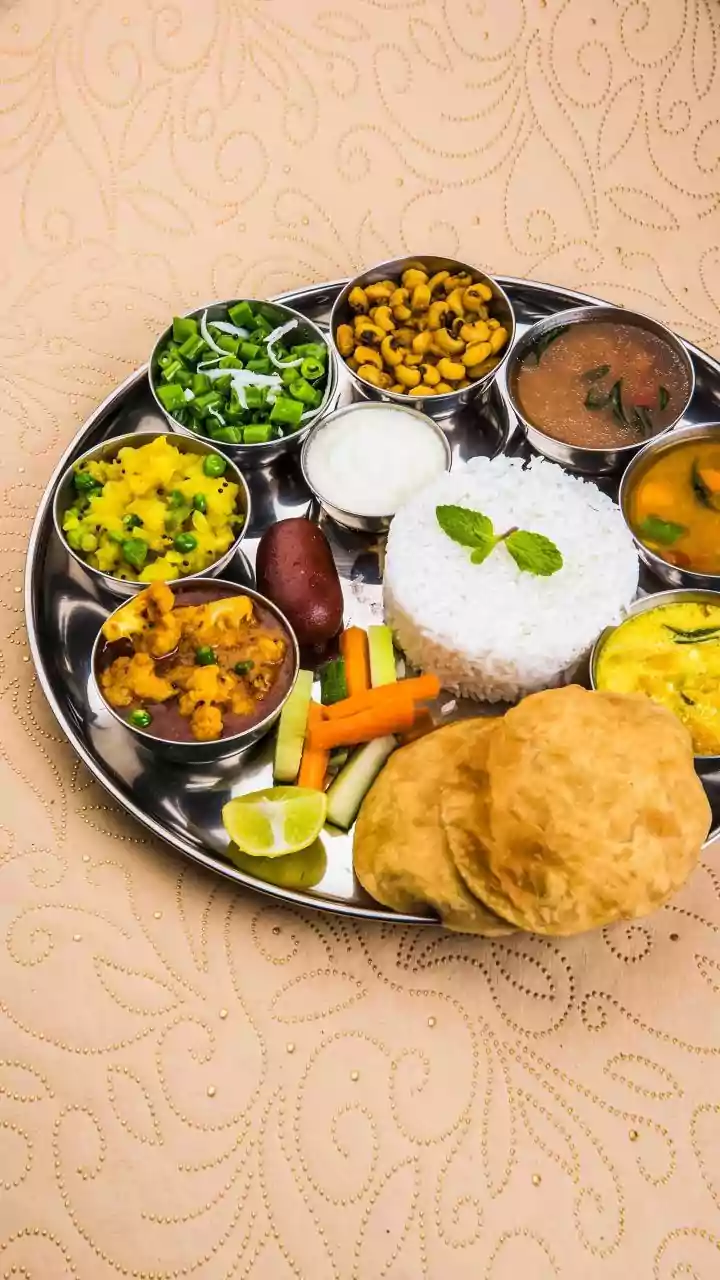
So what does “actually local” look like? It means swapping a sterile hotel room for a homestay on a coffee plantation in Coorg or a family-run guesthouse in the Himalayas. Instead of a buffet breakfast, it’s learning to cook a regional dish with the host family. Instead of a guided bus tour, it’s hiring a local scooter to explore remote villages or joining a food walk through the chaotic, delicious back-alleys of a city like Amritsar or Lucknow. This new mode of travel is slower, more intentional, and deeply personal. The currency isn't just a photo of a famous monument, but a unique experience that can’t be easily replicated. It’s about feeling like you’ve briefly lifted the curtain and seen the real, unvarnished life of a place, even if only for a weekend.
The Instagram Effect and an Appetite for Authenticity
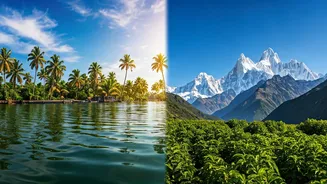
Several powerful forces are driving this shift. First is the digital influence. While Instagram has been blamed for over-tourism at iconic spots, it’s also fueling a desire for uniqueness. A photo from a hidden waterfall in Meghalaya or an obscure café in a Goan village earns more social cachet than the thousandth picture of the Taj Mahal. To stand out, you have to go where others aren't. Second is rising disposable income paired with a global mindset. Young, urban Indians are more connected to global trends than any previous generation. They see their peers in New York and London seeking out “authentic” experiences, and they want the same for themselves. This isn’t a rejection of their own culture, but a deeper, more curious engagement with it. They want to understand the complexities of their own vast and diverse country, from the spice farms of Kerala to the monasteries of Ladakh.
Reshaping India's Travel Economy
This trend is having a seismic impact on India’s domestic tourism industry. For years, the market was dominated by large tour operators and hotel chains. Now, a new ecosystem is flourishing. Boutique travel startups are curating niche experiences, from surf camps to pottery workshops. Platforms that connect travelers with homestays and local guides are booming. This “experiential travel” wave is pushing money into smaller communities and creating livelihoods beyond the traditional tourist hubs. It’s a democratization of the travel industry, where a family with a spare room and a good recipe can compete with a multinational hotel. As this generation’s spending power continues to grow, the definition of a great Indian vacation will continue to evolve from a passive sightseeing tour into an active, immersive search for connection.