
The Ritual of Rain and Fritters
For hundreds of millions in South Asia, the arrival of the monsoon isn’t just a weather event; it's a multi-sensory cultural touchstone. The season, known as *monsoon* or *barsaat*, breaks the sweltering heat of summer, bringing life back to the land
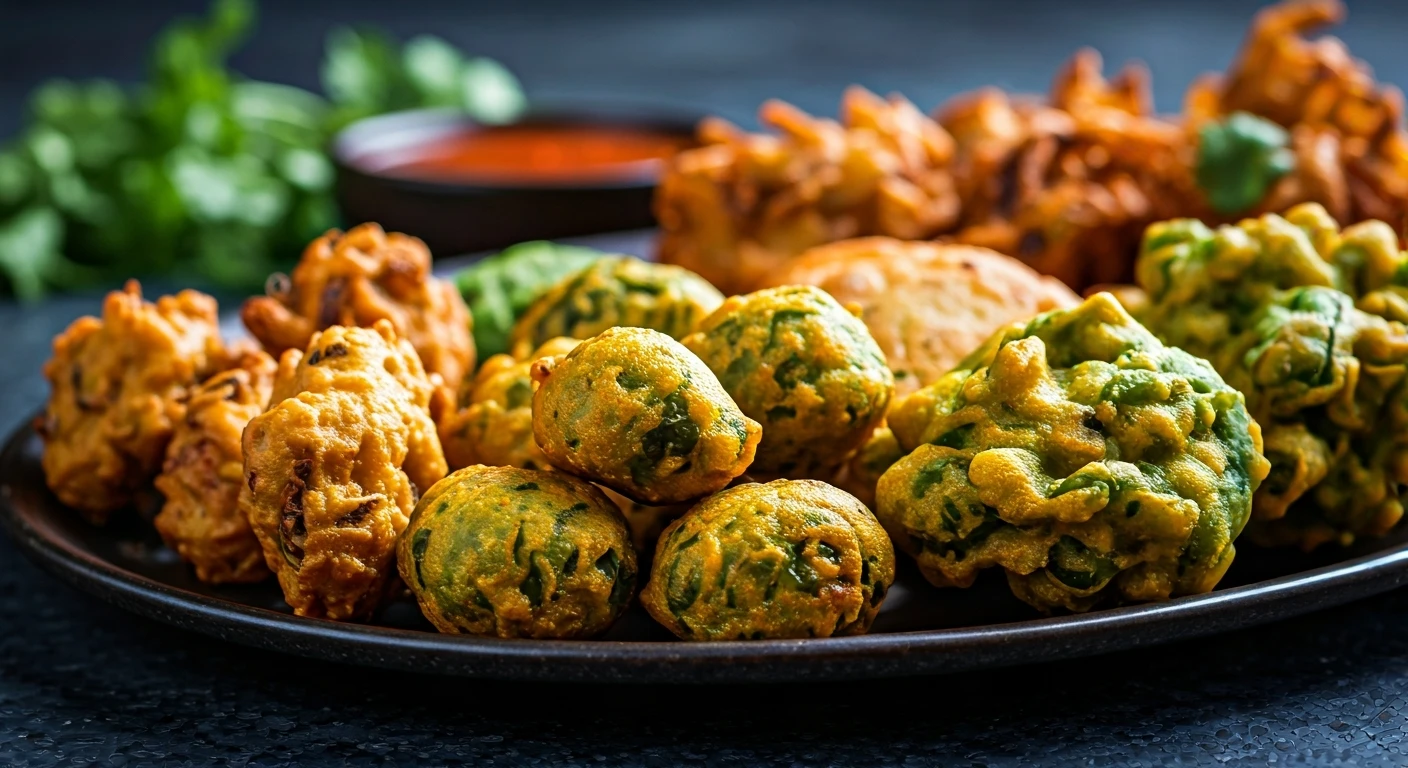
and a profound sense of relief and romance to the people. And with that rain comes a powerful, almost Pavlovian, culinary tradition: *chai* and *pakoras*. The pairing is iconic, a combination of steaming, spiced tea and deep-fried, savory morsels that feels like a warm hug on a grey, drizzly afternoon. A pakora, at its heart, is a fritter. Almost any vegetable—from sliced potatoes and onions to spinach leaves and cauliflower florets—can be dipped in a spiced chickpea flour (besan) batter and fried to golden-brown perfection. They are the quintessential rainy-day snack, sold by street vendors from carts shielded by tarps and made in homes where the sound of sizzling oil competes with the drumming of rain against the windowpane.
Enter the Sweet Corn
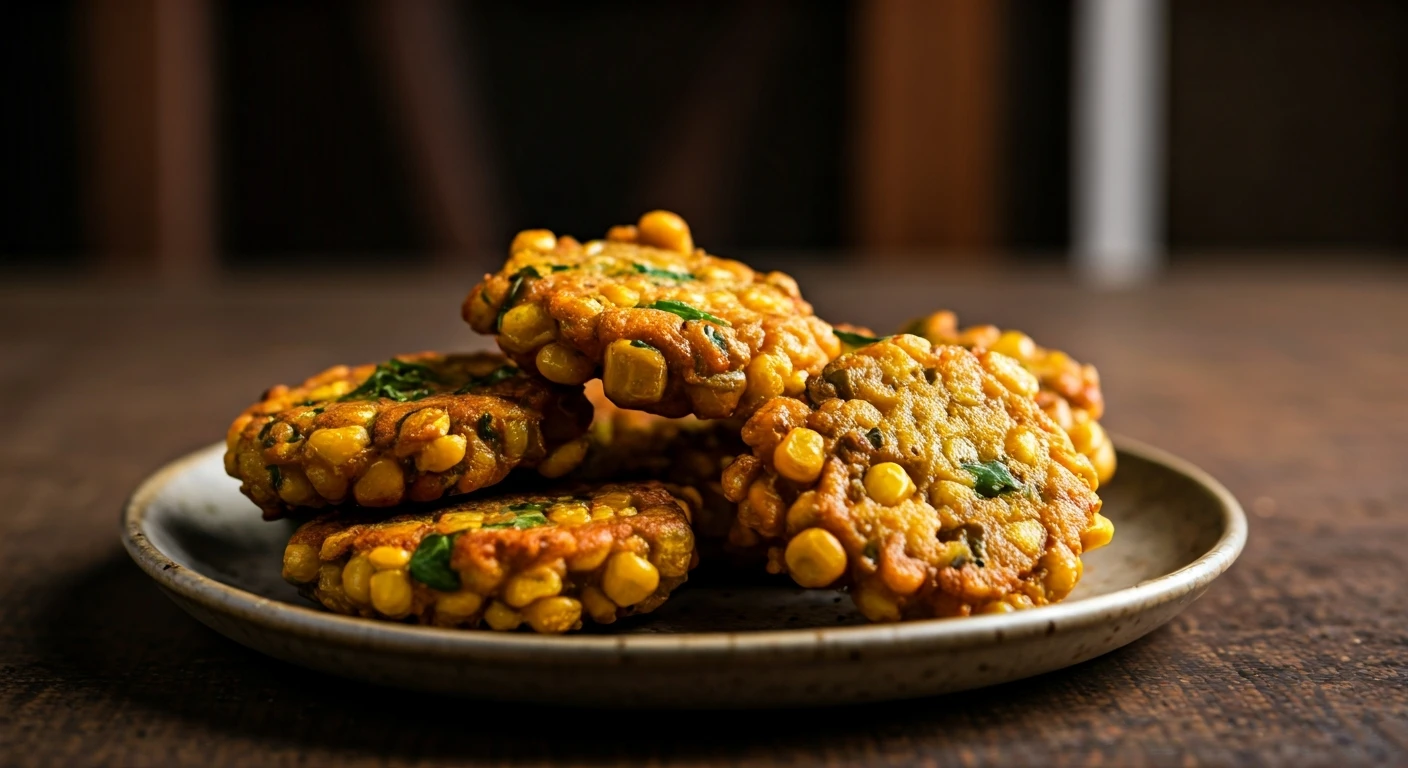
While onion and potato pakoras are year-round staples, the monsoon brings its own special bounty. This is when fresh corn (*bhutta*) is at its peak, and kitchens across India turn to making *bhutte ke pakode*, or sweet corn pakoras. Unlike their vegetable-slice cousins, these fritters are often made with whole kernels—either fresh or frozen—suspended in the spiced batter. The result is a textural masterpiece. The exterior is craggy and impossibly crisp from the chickpea flour, while the inside is studded with pops of juicy, sweet corn. The batter itself is typically seasoned with a gentle mix of turmeric, red chili powder, ajwain (carom seeds), and fresh herbs like cilantro. Every bite offers a contrast of sweet and savory, soft and crunchy. It’s a snack that tastes exactly like the season feels: vibrant, comforting, and utterly joyful.
Why They're Capturing Attention Now
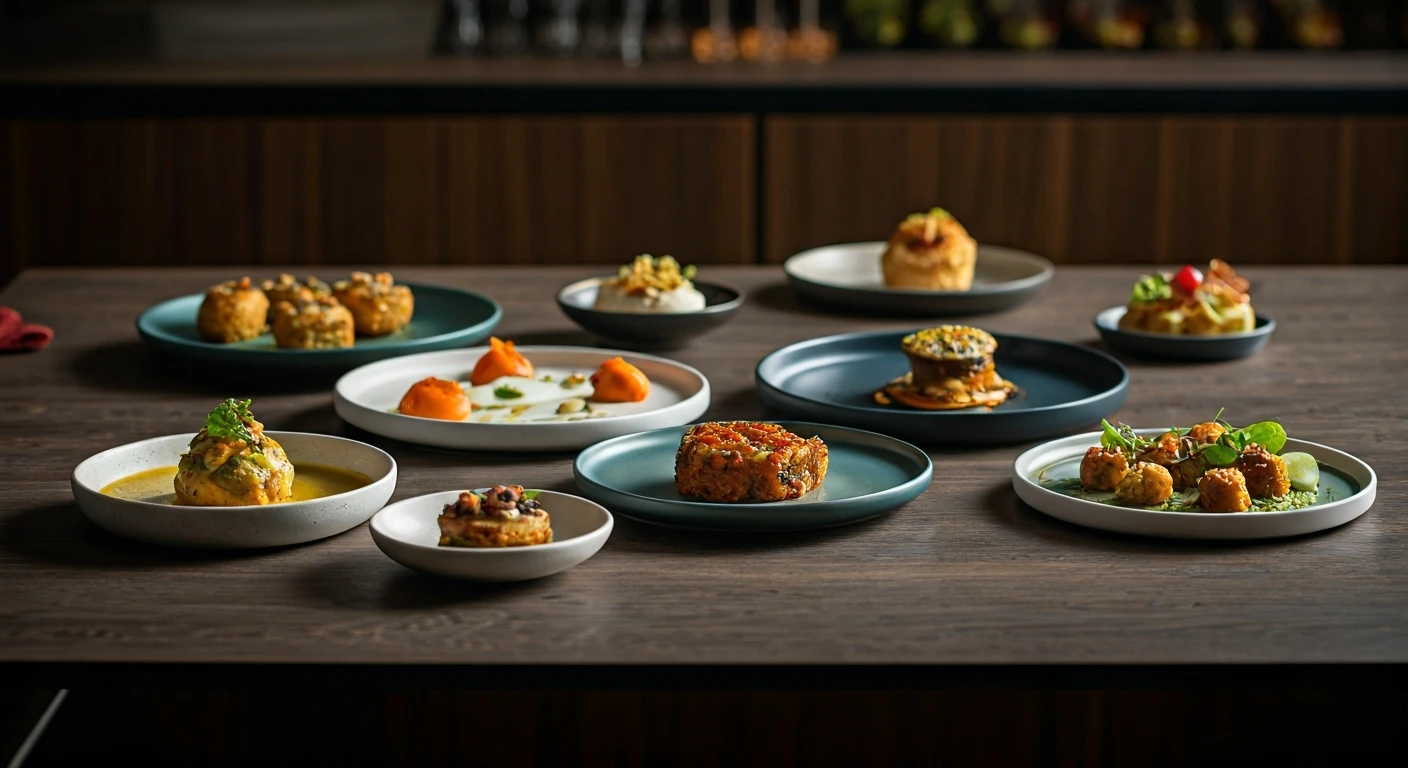
So why are these specific fritters having a “moment” in the United States? It’s less about a sudden, explosive trend and more about a slow, wonderful cultural bloom. As the American palate becomes more adventurous, there's a growing appreciation for regional and hyper-specific international dishes that go beyond the familiar takeout menu. Food writers, Indian-American chefs, and second-generation home cooks are using social media and restaurant menus to share the foods that taste like home, and the nostalgic, story-rich corn pakora is a perfect ambassador. It represents a move away from a monolithic idea of “Indian food” and toward an understanding of its vast seasonal and regional diversity. On a dreary day in Chicago or Seattle, the appeal of a hot, crispy, monsoon-inspired snack is immediate and universal. Restaurants are adding them to small plates menus, and food bloggers are sharing recipes that demystify the process, inviting everyone to partake in the cozy ritual.
More Than Just a Snack
To dismiss the corn pakora as just another fried appetizer is to miss the point entirely. It is edible nostalgia, a direct link to a specific time and place. For members of the South Asian diaspora, making or eating these fritters is a way to connect with home, to recreate the feeling of watching the rain with family, a cup of chai in hand. For those new to the experience, it offers a delicious entry point into a rich cultural tradition. It’s a food that comes with a story, a mood, and a feeling. In a world of fleeting food fads, the corn pakora’s appeal is rooted in something much deeper: the simple, universal human pleasure of finding comfort and joy on a rainy day.