



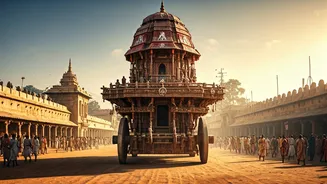


A Spectacle of Divine Proportions
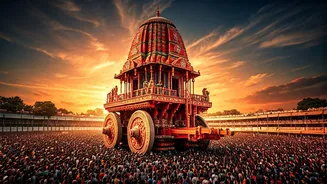
Every year in the city of Puri in Odisha, India, a spectacle unfolds that defies easy description. The Rath Yatra, or Chariot Festival, is an annual procession centered on Lord Jagannath—a form of the Hindu deity Vishnu—along with his elder brother Balabhadra
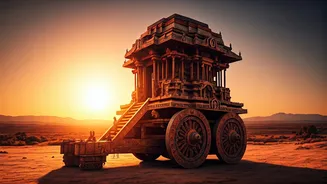
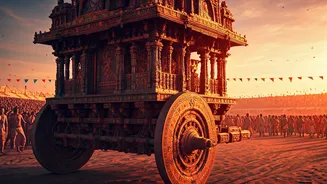
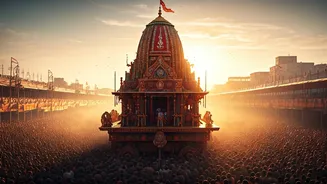
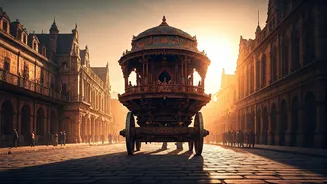
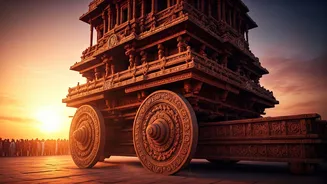
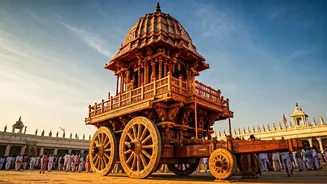
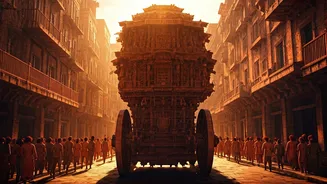
and sister Subhadra. The deities leave their sanctuary in the main Jagannath Temple for a nine-day journey to their aunt's temple, the Gundicha Temple, a little over a mile away. What makes this short trip extraordinary is the mode of transport: three enormous, brightly decorated wooden chariots, each towering over 40 feet high. These are not floats in a parade; they are temporary, mobile temples, built anew each year by designated artisan families. Pulled by thousands of devotees using thick ropes, their slow, swaying progress through the packed streets is the festival’s iconic image—a tide of devotion carrying its gods through the city.
The Gods Who Come to the People
At its heart, the Rath Yatra is a deeply symbolic event. In many Hindu traditions, deities are housed within the sanctum sanctorum of a temple, accessible only to priests and, from a distance, to devotees. The Rath Yatra dramatically inverts this. It is the one time of year when Lord Jagannath, traditionally worshipped by all but seen up close by few, comes out onto the streets. This act makes the divine accessible to everyone, regardless of caste, creed, or background. Historically, the festival was a powerful statement of inclusivity, allowing those barred from temple entry to receive *darshan*, or the auspicious sight of the deity. Pulling the chariot ropes is considered an act of immense piety, a way to connect directly with the divine and serve the lord. The energy is electric, a mix of spiritual fervor, physical exertion, and collective celebration.
An Ecosystem of Hereditary Craft
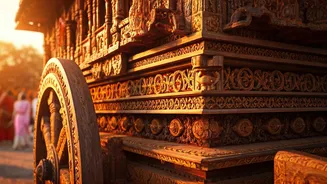
The phrase “living culture” is not an exaggeration. The festival is sustained by a complex ecosystem of hereditary roles passed down through generations. The carpenters (*biswakarmas*) who build the three distinct chariots come from specific families, using ancient techniques without modern blueprints. The painters (*chitrakaras*) adorn the chariots with specific iconographic motifs. The tailors (*darjis*) create the massive bolts of cloth that form the canopies. Even the sevayats, the temple servitors who perform hundreds of different rituals associated with the journey, inherit their specific duties from their ancestors. This intricate web of service ensures that the festival is not a reenactment but an unbroken tradition, continuously refreshed by the hands and faith of the community. Each year’s construction is both an act of engineering and a sacred ritual, connecting the present-day artisans to a lineage stretching back centuries.
From Puri to the Global Stage
While the festival in Puri is the original and largest, the Rath Yatra has transcended its geographical origins. Thanks to the global diaspora and movements like the International Society for Krishna Consciousness (ISKCON), miniature versions of the chariot festival are now celebrated in cities across the world, from New York and London to Toronto and San Francisco. These smaller processions bring the same fundamental principles—of gods coming to the people and collective devotion—to public squares and parks thousands of miles from India. They serve as vibrant cultural touchstones for Hindu communities abroad and offer a window into one of the world’s most dynamic faith traditions for outsiders. It’s a powerful demonstration of how a deeply rooted local festival can become a global phenomenon, carrying its core message of unity and divine accessibility wherever it goes.