






First, What Is Ayurveda?
Before you picture a complicated regimen, let’s demystify the term. Ayurveda, which translates from Sanskrit to “the science of life,” is one of the world's oldest holistic healing systems, with roots in India dating back over 3,000 years. Its core principle
is simple: health and wellness depend on a delicate balance between mind, body, and spirit. Unlike Western medicine, which often focuses on treating symptoms, Ayurveda aims to prevent illness by promoting harmony within your unique constitution. It’s not a one-size-fits-all approach. The system is famously built around three primary mind-body types, or *doshas*—Vata, Pitta, and Kapha. Understanding your dominant dosha is seen as the first step toward tailoring your diet, exercise, and daily habits to achieve a state of equilibrium. Think of it less as a strict set of rules and more as a personalized instruction manual for your own well-being.
The Appeal of Ancient Rituals
So why is this ancient system suddenly resonating with modern Americans? In a word: burnout. We live in a culture of hyper-connectivity, relentless productivity hacks, and quick-fix wellness fads that often leave us feeling more depleted than restored. Ayurveda offers an antidote. Its practices are slow, deliberate, and deeply grounding. They encourage a form of self-care that isn’t about buying another gadget or downloading another app, but about tuning into your body’s natural rhythms. For travelers, encountering these practices in places like India, Sri Lanka, or Bali provides a stark contrast to the chaos of daily life back home. The rituals feel authentic, time-tested, and profoundly disconnected from the commercialized wellness industry. Bringing a piece of that peace home feels like a radical act of self-preservation.
From Vacation to Daily Habit
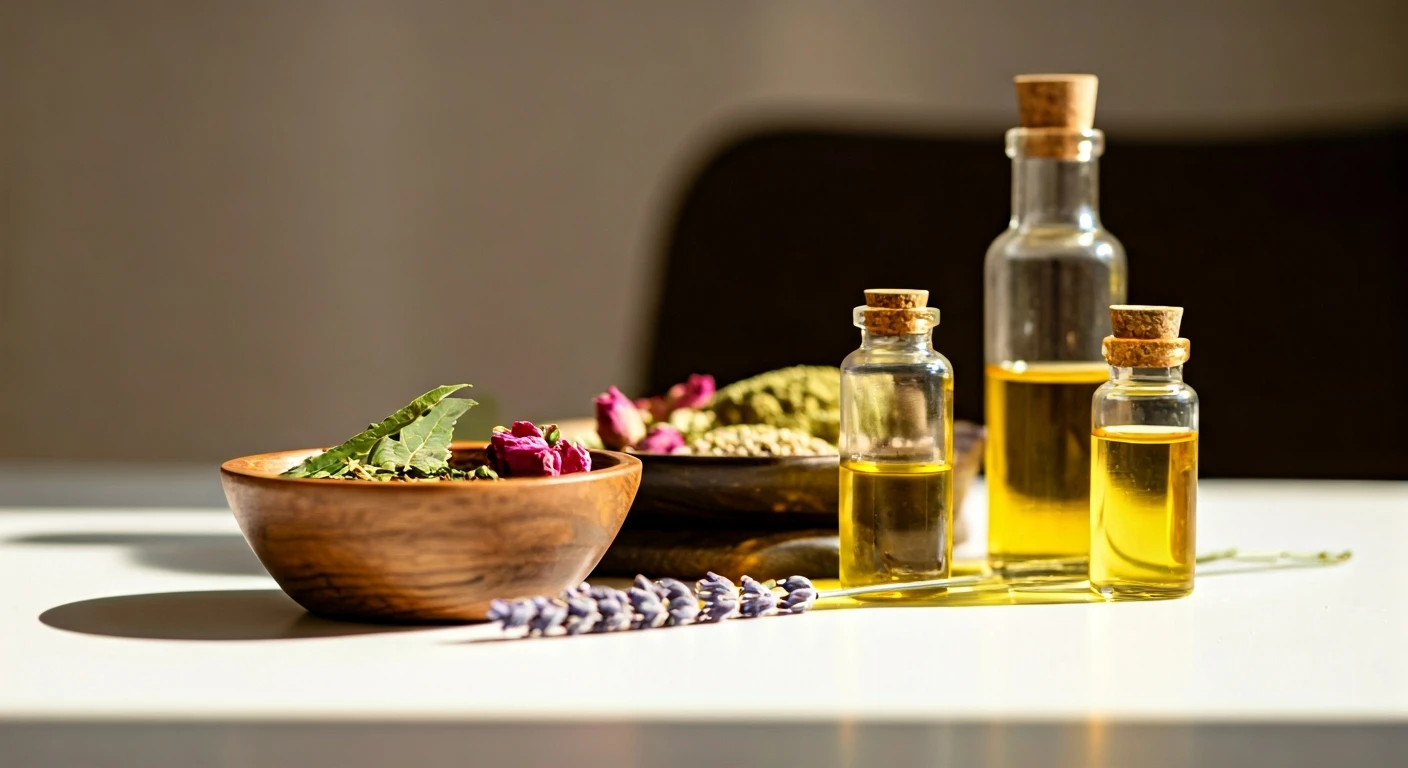
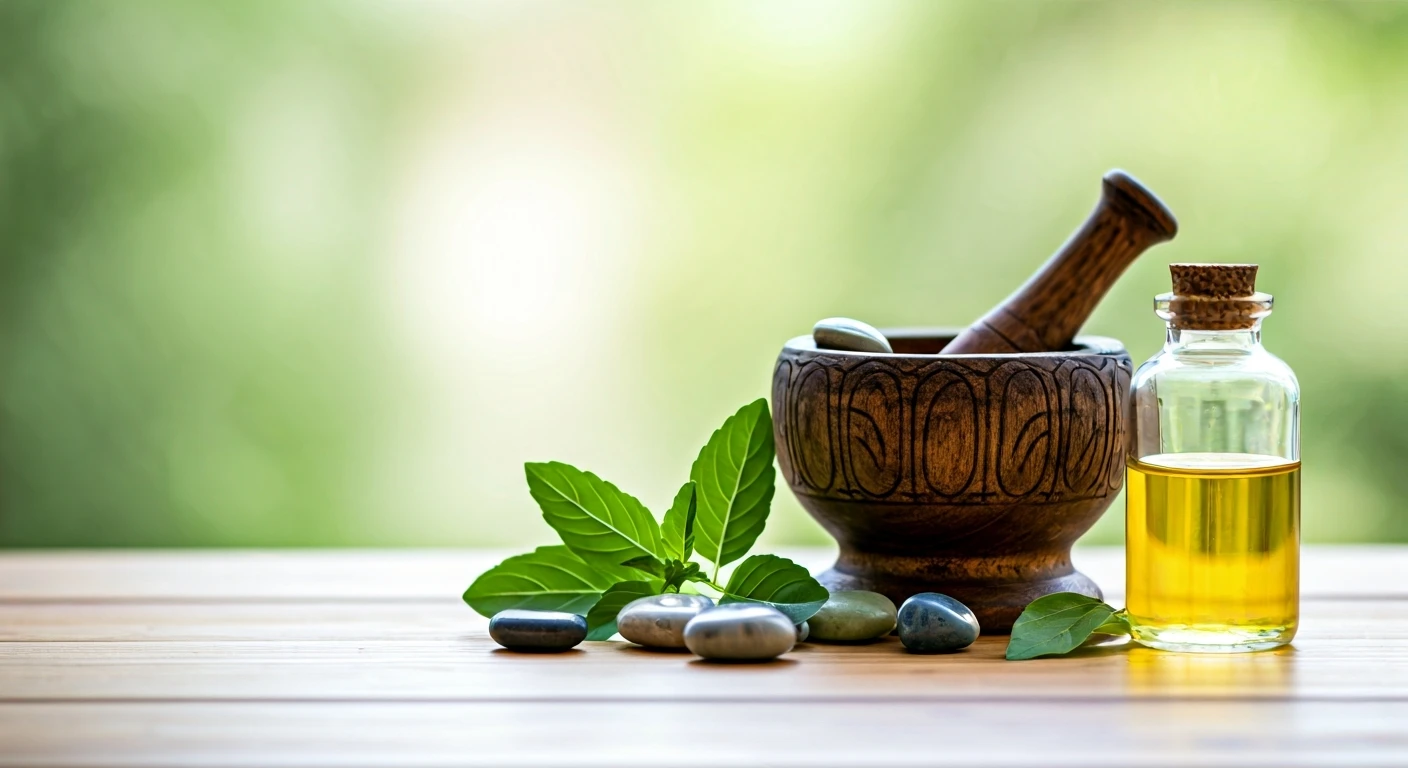
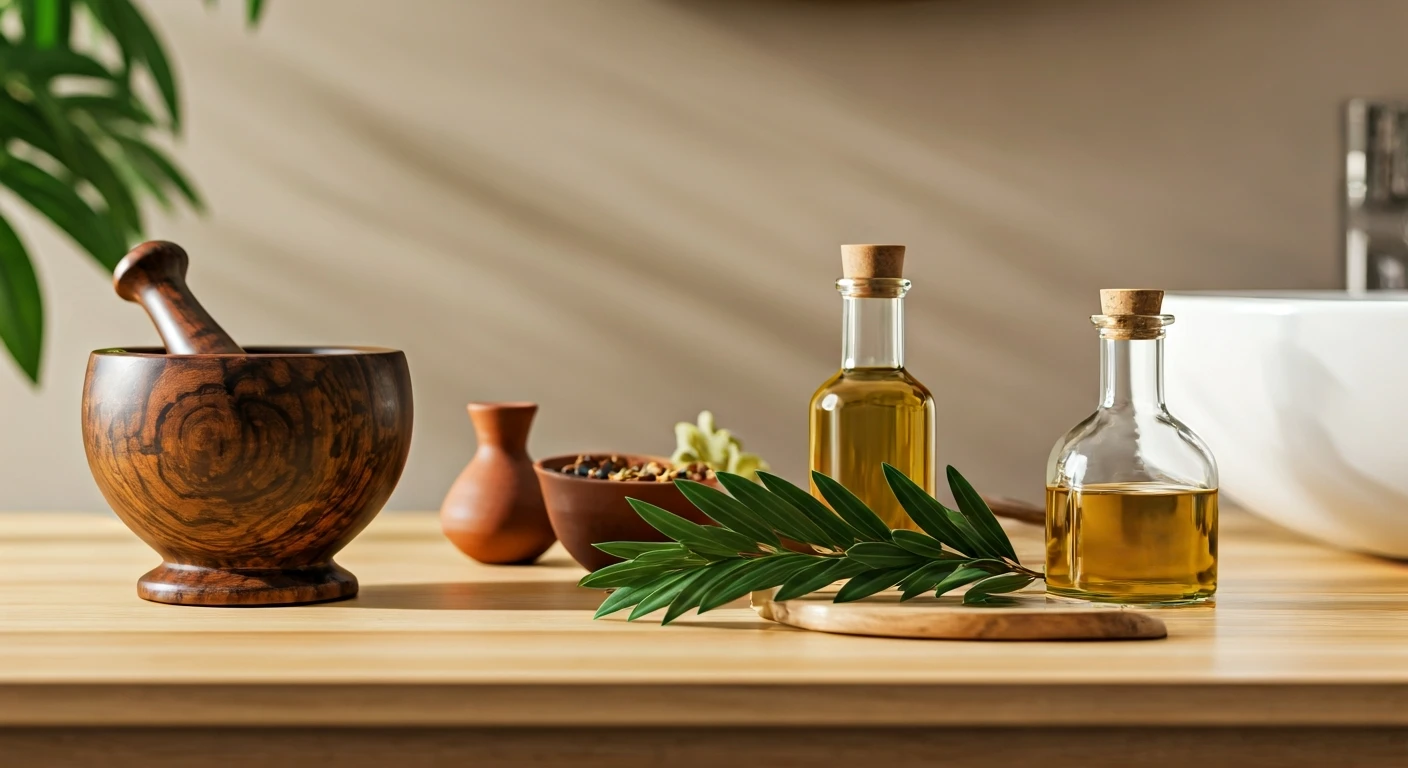
This is where the “long-term souvenir” concept truly shines. The practices people are adopting aren't grand, time-consuming overhauls. They are small, sustainable rituals known as *dinacharya*, or daily routine. This might be something as simple as starting the day with a cup of warm water to stimulate digestion, or practicing *oil pulling*—swishing a tablespoon of coconut or sesame oil in your mouth for 10-15 minutes to improve oral health. Another popular takeaway is tongue scraping, a 30-second morning ritual using a metal scraper to remove bacteria buildup, which is believed to enhance taste and detoxification. Others fall in love with *abhyanga*, the practice of self-massage with warm oil before a shower, which soothes the nervous system and nourishes the skin. These aren't just memories of a trip; they are tangible, daily actions that integrate the calm of vacation into the reality of a busy work week.
A Souvenir That Keeps Giving
Ultimately, the appeal of an Ayurvedic souvenir is its enduring nature. A keychain gets lost, a t-shirt fades, but a simple morning routine becomes a part of you. It’s a practice that evolves as you do, a quiet daily anchor in a turbulent world. This trend signifies a shift in how we view travel and self-improvement. It’s less about escaping our lives and more about finding tools to enrich them when we return. The goal is no longer just to see the world, but to bring its wisdom home in a way that truly lasts. While a one-week wellness retreat might introduce the concepts, the real transformation happens in the small, consistent efforts made in your own home, long after the suitcase has been put away. That five-minute ritual in your bathroom each morning becomes a powerful reminder of a journey—both external and internal—and a commitment to your own well-being.