



Why the Monsoon Inspires Joy
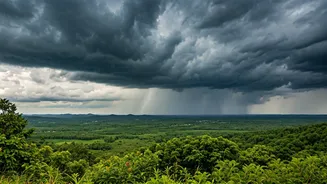
Imagine months of relentless, baking heat where the earth cracks and the air is thick with dust. Then, the sky darkens, the temperature drops, and the first fat drops of rain hit the ground, releasing a distinct, earthy smell known as 'petrichor.' For
much of India, this isn't just relief; it's salvation. The monsoon, which typically sweeps across the subcontinent from June to September, replenishes rivers, nourishes crops, and transforms the landscape into a lush, green paradise. This dramatic shift from parched to plentiful has been at the heart of Indian culture for millennia, sparking a wide array of festivals that honor the rain's power of renewal and life.
Ambubachi Mela: A Tantric Fertility Festival
Deep in the northeastern state of Assam, the Kamakhya Temple in Guwahati hosts one of India's most unique and sacred gatherings: the Ambubachi Mela. This annual, four-day festival celebrates the menstruation of the goddess Kamakhya, personified by Mother Earth. During this period, the temple is closed as it's believed the goddess is undergoing her yearly cycle of fertility. It’s a powerful tantric concept that frames menstruation not as impure, but as a vital, life-giving force. Thousands of pilgrims, including sadhus (holy men) in striking saffron robes, descend on the temple to receive blessings. When the temple reopens, small pieces of red cloth, believed to be soaked with the goddess's menstrual fluid, are distributed as a potent blessing for fertility and prosperity.
Sao Joao: Goa's Festive Plunge
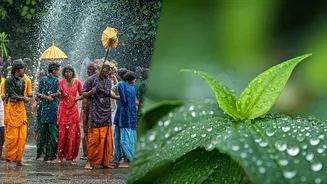
While most of India has Hindu-centric monsoon festivals, the coastal state of Goa, with its strong Portuguese-Catholic heritage, celebrates with a splash of a different kind. The Sao Joao festival, honoring St. John the Baptist, is a day of pure, unadulterated fun. The main event? Leaping into overflowing wells, ponds, and streams. It’s a baptismal re-enactment, symbolizing the joy St. John felt when he leaped in his mother’s womb upon hearing of Jesus's coming birth. Locals and tourists don colorful floral wreaths called 'copels,' sing traditional songs, and share Feni (a local cashew liquor) and fruits. It’s less about solemn ritual and more about a joyous, communal embrace of the water that defines their lush landscape.
Teej: A Riot of Color in the Desert
In the arid desert states of Rajasthan and parts of Northern India, the arrival of the monsoon is a particularly dramatic event. This is celebrated with Teej, a vibrant festival primarily for women. Dressed in their finest green, red, and yellow saris—colors that symbolize the new life sprouting around them—women gather to sing, dance, and swing on ornate swings hung from trees. The festival is dedicated to the goddess Parvati and her union with Lord Shiva. Married women pray for the well-being of their husbands and family, while unmarried women pray for a good partner. The swings are not just for fun; they represent the freedom and joy that the cooling rains bring after the oppressive summer heat.
Puri Rath Yatra: A Chariot Parade for the Gods
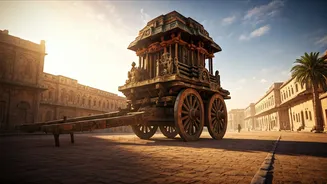
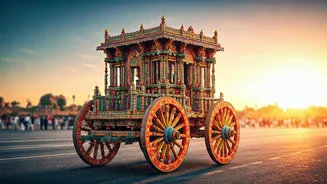
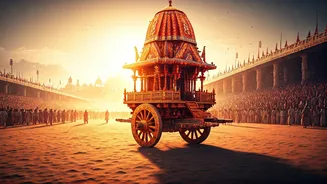
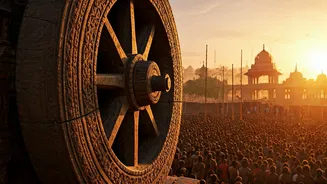
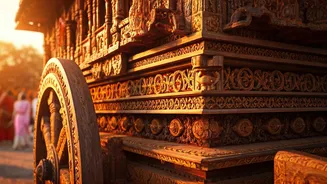
Coinciding with the start of the monsoon in the eastern state of Odisha is the colossal Rath Yatra, or Chariot Festival. While not strictly a monsoon festival, its timing is deeply intertwined with the season. Three massive, brightly decorated chariots resembling temples are built to carry the deities Jagannath, Balabhadra, and Subhadra from their main temple to a summer home. Hundreds of thousands of devotees pull the chariots with thick ropes in a spectacular procession, believing that to touch the ropes is to be cleansed of sin. The rains often fall during the nine-day festival, seen as a blessing from the heavens, adding a dramatic and spiritual dimension to an already awe-inspiring event.