



More Than Just a Houseplant
Step inside a modern, high-end apartment in Mumbai, Bengaluru, or Delhi, and you might notice something different. It’s not just the sleek furniture or the open-plan layout. It’s the air. It’s the light. It’s the feeling of life itself. A wall might be
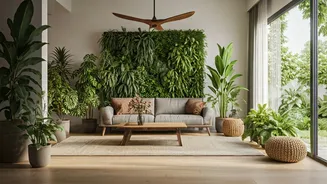
a cascade of lush ferns. A small interior courtyard might open to the sky, centered around a single, elegant tree. Sunlight isn’t just an accident; it’s a design feature, filtered through large windows and reflected off natural wood and stone surfaces. This isn’t about dotting a few succulents on a windowsill. This is biophilic design, a philosophy that seeks to intentionally connect people with nature in their built environments. It goes beyond aesthetics, aiming to improve psychological and physiological well-being by integrating natural elements and processes into everyday life.
The Post-Pandemic Green Rush
While the desire for green space has always been present, the trend has accelerated dramatically in the wake of the global pandemic. Extended lockdowns forced millions of urban Indians to confront the limitations of their indoor environments. The apartment became the office, the school, the gym, and the sole place of refuge. This intense period of confinement highlighted a deep, almost primal need for a connection to the outdoors. Architects and interior designers report a surge in client requests for features that blur the line between inside and out. Homebuyers are now prioritizing properties with better access to green spaces, larger balconies that can support gardens, and layouts that maximize natural light and ventilation. This shift marks a profound change in residential real-tate priorities, moving from a focus on luxury amenities like pools and clubhouses to a new emphasis on personal wellness and natural immersion.
An Antidote to the Urban Gray
Nowhere is this trend more resonant than in India’s bustling megacities. For residents of densely populated urban centers, daily life is often an assault on the senses—a constant barrage of traffic noise, air pollution, and seas of concrete and glass. The home has become a critical sanctuary, and biophilic design offers a powerful antidote. Creating a green oasis indoors is a direct response to the harshness of the exterior world. Studies have shown that even visual exposure to nature can reduce stress, lower blood pressure, and improve concentration. In a city where finding a quiet, clean park can be a challenge, bringing the park indoors is the next logical step. It’s a way of reclaiming a piece of the natural world, filtering the air, and creating a pocket of calm amidst the chaos.
From Living Walls to Light Wells
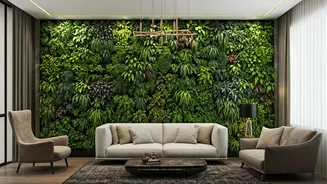
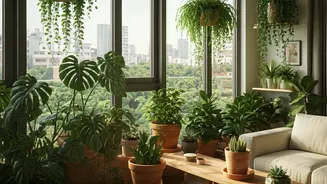
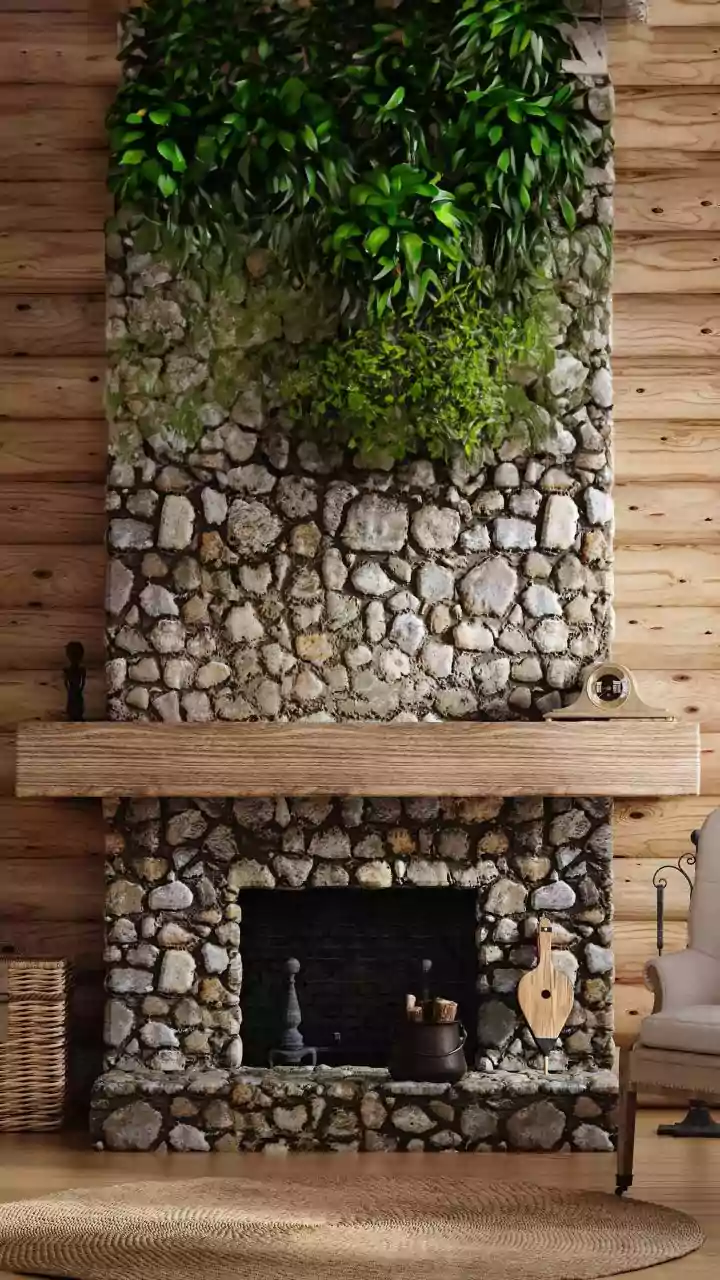
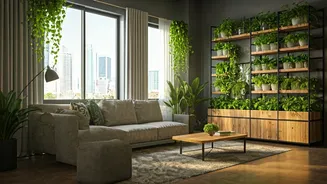
So what does this look like in practice? The most dramatic examples include vertical “living walls,” where an entire surface is covered in hydroponically sustained plants, acting as a natural air purifier and a stunning visual centerpiece. In larger apartments and villas, architects are designing internal courtyards or atriums, often with retractable roofs, that allow trees and large shrubs to grow in the center of the home. Light wells and strategically placed skylights are used to draw daylight deep into the interior. Even in smaller spaces, the principles apply. Designers are using natural materials like unfinished wood, bamboo, and terracotta, incorporating water features for ambient sound, and creating dedicated “green corners” with dense clusters of plants. Balconies are being transformed into miniature gardens with sophisticated irrigation systems, becoming true extensions of the living space rather than afterthoughts for storage.