



From Dry Pamphlets to Viral Videos
Remember the food safety chart magnet on your parents’ fridge? Or the bland, text-heavy pages on a government website you were sent to after a recall? For years, this was the face of food safety education: sterile, intimidating, and utterly forgettable.
The information was critical, but the delivery was so dry that the key messages—wash your hands, avoid cross-contamination, cook to temperature—often failed to stick. The advice felt less like a helpful guide and more like a lecture from a faceless bureaucracy. It was content designed to inform, not to engage, and in an age of information overload, it was easily ignored.
The Rise of the Food Science Influencer
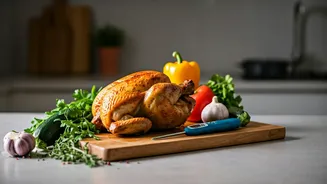
Enter the food scientist on TikTok. And the microbiologist on Instagram. And the professional chef debunking myths on YouTube. A new wave of science communicators has transformed the landscape by speaking the internet’s native language: short, compelling, visual content. These aren't just random people with opinions; many are credentialed experts like Dr. Erin DiCaprio, a food safety specialist at UC Davis, or creators like @foodsciencebabe, who use their platforms to break down complex topics into 60-second videos. They show you, rather than just tell you. You can watch them swab a kitchen sponge to reveal the microscopic jungle thriving within it or use neon-colored paint to demonstrate how easily germs from raw chicken can spread across a kitchen. This visual, almost visceral, approach makes the stakes feel real and the advice impossible to forget.
Why This New Approach Works
The success of this new content lies in a few key ingredients. First, it’s built on trust and personality. You get to know the creator, their expertise, and their communication style, which feels more like getting advice from a smart, credible friend than a government agency. Second, it often uses a myth-busting format that is inherently engaging. Videos titled “Stop Washing Your Chicken!” grab attention precisely because they challenge conventional (and incorrect) wisdom. By explaining the ‘why’—that washing raw poultry only splashes bacteria around your sink and counters—they replace an old habit with a safer, evidence-backed practice. Finally, the use of humor and relatable scenarios makes the information less intimidating. Seeing a food scientist explain botulism by referencing a friend’s questionable canning habit makes the lesson stick better than a clinical definition ever could.
Even Official Sources Are Catching On
This digital-first, personality-driven revolution hasn't gone unnoticed by the old guard. Government agencies like the USDA and the CDC are slowly adapting their strategies. While they may not have the viral agility of a solo TikTok creator, their social media feeds are increasingly populated with simple infographics, short video clips, and holiday-timed reminders that are far more visually appealing than their predecessors. They’ve recognized that to compete for attention and effectively educate the public, they need to meet people where they are—scrolling on their phones. This shift, while gradual, signals a broader understanding that in the modern media environment, the most accurate information is useless if no one is paying attention to it.