


The So-Called ‘Off-Season’ Advantage
Let’s get one thing straight: “monsoon season” doesn’t mean it rains 24/7. In many popular destinations across Southeast Asia and the Indian subcontinent, the so-called “green season” involves predictable, heavy downpours for a few hours in the afternoon,
leaving the rest of the day clear and fresh. While fair-weather tourists stay home, those in the know are packing their bags. Why? Because this period, typically spanning from June to October in many parts of Asia, represents a shortcut around the three biggest travel hurdles: high prices, overwhelming crowds, and a sanitized tourist experience. It’s a trade-off, to be sure, but one that rewards the flexible and the adventurous with a trip that feels richer, quieter, and significantly lighter on the wallet.
Shortcut to Lower Prices
The most immediate and tangible benefit of monsoon travel is the price. Airlines and hotels, facing lower demand, slash their rates. A boutique hotel in Phuket, Thailand, that’s prohibitively expensive in December might suddenly be 40-50% cheaper in July. Flights into major hubs like Bangkok, Ho Chi Minh City, or Mumbai see a significant dip outside of peak holiday seasons. This financial breathing room is a game-changer for a young traveler on a budget. It means you can afford to stay longer, upgrade your accommodation from a dorm to a private room, or splurge on experiences you’d otherwise skip, like a cooking class or a multi-day trek. The money you save isn’t just a nice bonus; it fundamentally changes the quality and length of your trip.
Shortcut to Deeper Experiences
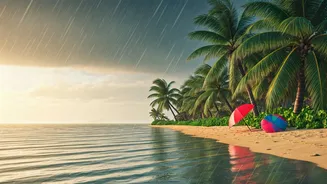
Imagine seeing Cambodia’s Angkor Wat at sunrise without a thousand other tripods jostling for your spot. Picture having a pristine Thai beach almost to yourself. This is the reality of off-season travel. With fewer tourists, the entire vibe of a place shifts. Locals are often more relaxed and engaging, the frantic energy of peak season dissipates, and you get a clearer glimpse into the daily rhythm of a place. You’re no longer just one face in a massive crowd being herded from one photo op to the next. Instead, you have the time and space to connect, observe, and immerse yourself. This is the shortcut to authenticity—finding the pulse of a country when it’s not performing for a crowd.
Shortcut to Epic Scenery
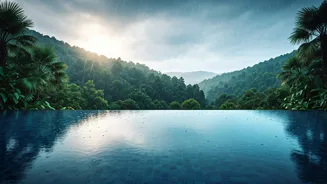
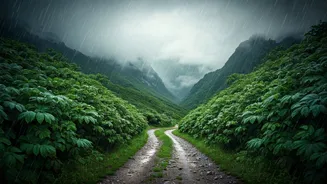
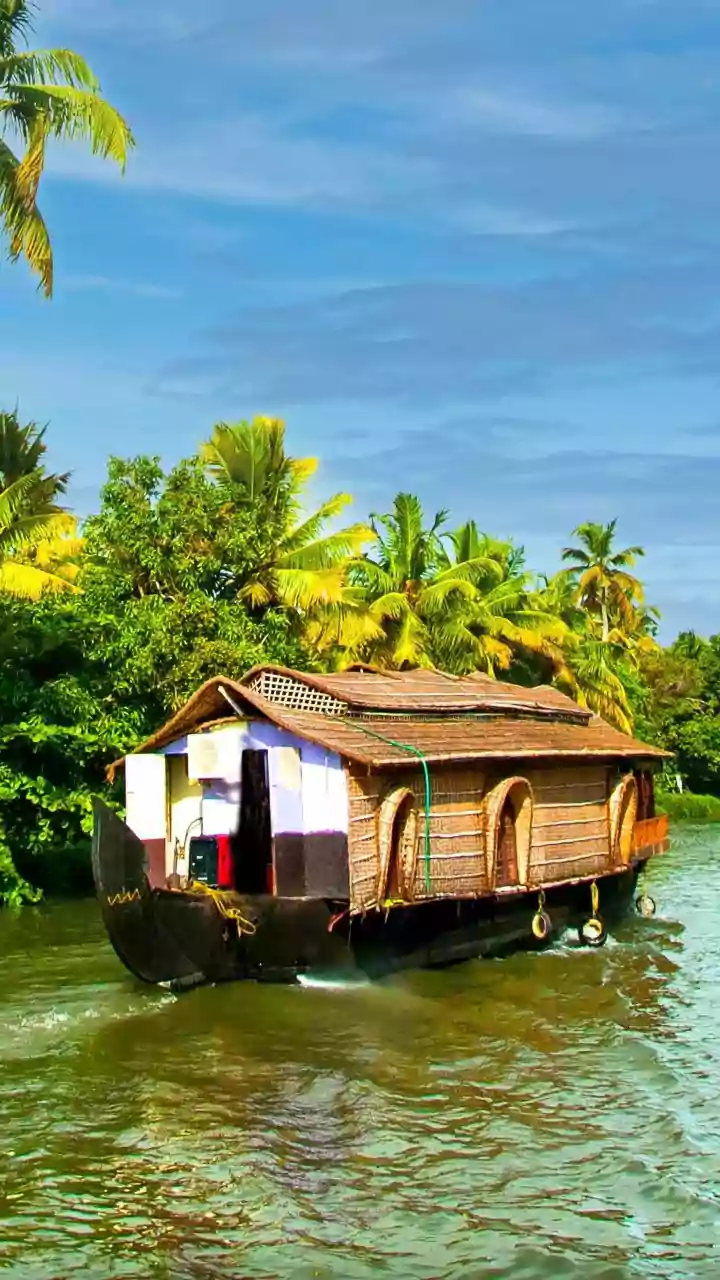
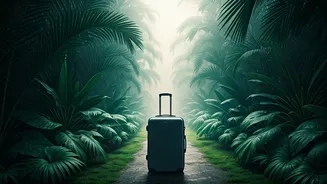
Dry season has its charms, but the monsoon transforms landscapes into something otherworldly. The dust settles, and a vibrant, almost electric green blankets everything from the rice paddies of Vietnam’s Mekong Delta to the rolling hills of Kerala, India. Waterfalls that are a mere trickle in the dry months become thunderous cascades. The sky puts on a daily show of dramatic, moody clouds that make for incredible photography. It’s a sensory experience: the smell of rain on hot earth, the chorus of frogs at night, the sheer intensity of the colors. For anyone who appreciates raw, untamed nature, the green season isn’t a bug; it’s the main feature.
The Detours You Can't Ignore
Of course, this shortcut isn’t without its potholes. The rain is real, and it can be intense. This means high humidity, which can be draining. It also means you need to be flexible. A flash flood might wash out a road, or a storm could cancel the island-hopping ferry you booked. Some national parks or more remote hiking trails may close for safety, and certain beaches, especially on exposed coastlines, might be unsafe for swimming due to rough seas. You'll need to pack smart: a reliable rain jacket, waterproof bags for electronics, and footwear that can handle mud are non-negotiable. This isn’t the trip for someone who needs a perfectly predictable itinerary and guaranteed sunshine every day.