







An End to the Perfect Day Mandate
For generations, the specter of rain on a wedding day was a source of near-universal panic. It was the ultimate symbol of bad luck, the wrench in the works of a meticulously planned event. Couples would check forecasts obsessively, booking venues with
ironclad indoor backup plans. But a subtle shift is underway. A growing number of couples, and the photographers who document their milestones, are not just accepting rain—they’re embracing it. Wedding photographers have been at the forefront of this aesthetic pivot, showcasing stunning portfolios filled with images that would have once been considered disasters. Think of a bride and groom huddled under a single clear umbrella, the city lights reflecting in glistening puddles around them. Or a couple kissing in a misty field, the soft, diffused light creating a painterly effect that harsh sunlight could never achieve. The resulting photos feel less like staged portraits and more like stills from a romantic film. This embrace of imperfection releases couples from the immense pressure to manufacture a flawless experience, allowing them to be present in the moment, whatever it brings.
The Rise of Moody Aesthetics
This trend didn't appear in a vacuum. It aligns perfectly with a broader cultural turn away from the bright, over-saturated, and perpetually cheerful aesthetic that dominated the early days of Instagram. In its place is a preference for a “moody” vibe—more cinematic, authentic, and emotionally complex. It’s visible in everything from film-grain photo filters to the popularity of darker, more natural color palettes in interior design. Sunshine is simple; it’s happy and straightforward. Rain is complex. It brings with it a rich sensory palette: the smell of damp earth, the sound of drops on a window pane, the dramatic contrast of dark clouds and sudden bursts of light. This atmosphere resonates with a generation that values authenticity over a polished facade. It suggests depth, introspection, and a comfort with the full spectrum of emotions, not just the easily shareable, sunny ones. Choosing an aesthetic that includes shadows and storms feels more honest and, to many, more beautiful.
From Dream Vacation to Cozy Getaway
The embrace of rain extends beyond major events into travel. The classic American vacation once revolved around maximizing sun exposure, whether on a Florida beach or a Californian coast. While those destinations remain popular, a different kind of trip is gaining traction: the cozy getaway. Couples are increasingly seeking out experiences defined by atmosphere rather than weather. Think of renting a cabin in the Pacific Northwest, a region famous for its drizzles and foggy forests. The goal isn't to get a tan; it’s to read by a fireplace, hike through misty woods, and feel a sense of seclusion and connection. The same goes for trips to the Scottish Highlands or the moody coasts of Maine. In these places, rain isn't an inconvenience that cancels plans; it’s an integral part of the experience. It encourages a slower pace and a more introspective mood, providing a welcome antidote to the frantic energy of daily life and creating a bubble of intimacy for two.
A Metaphor for Modern Love
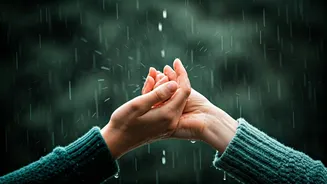
Ultimately, choosing to find joy in the rain is a powerful metaphor for a modern approach to partnership. The old ideal suggested that a perfect relationship should be all sunshine and smooth sailing. Any sign of trouble or gloom was a problem to be fixed. But a more resilient and realistic understanding of love acknowledges that challenges are inevitable. A strong partnership isn't one where it never rains, but one where the couple knows how to dance in it. By leaning into a rainy wedding day or planning a trip around a cozy storm, couples are making a quiet statement. They are prioritizing presence over performance, authenticity over perfection, and resilience over fragility. It’s an acknowledgment that the most beautiful moments in life aren't always the ones that are sunny and simple, but the ones that are deep, true, and weathered together.