






An Archipelago Apart
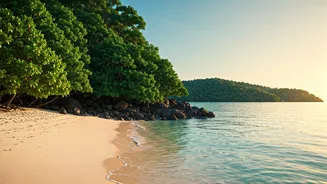
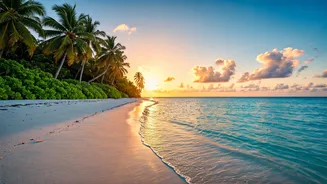
Imagine a tropical paradise that has largely sidestepped the wave of mass tourism that has washed over so many other parts of Southeast Asia. That is the promise of India’s Andaman and Nicobar Islands. Sprinkled across the Bay of Bengal, this chain of over 500
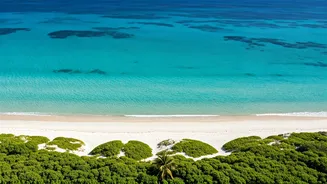
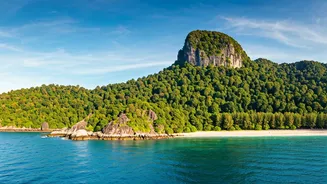
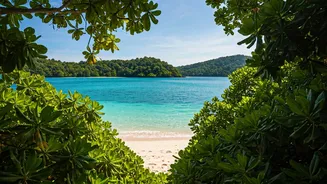
islands—only a few dozen of which are inhabited—remains a world away from the crowded beaches of Phuket or Bali. Their relative remoteness and protected status have acted as a natural filter, preserving a sense of raw, untouched beauty that is increasingly rare. For the American traveler, the journey requires commitment—typically involving a flight to a major Indian city like Chennai or Kolkata, followed by another to Port Blair, the islands' capital. But this journey is precisely what safeguards its character. The reward for your effort is access to a world of staggering biodiversity, from dense tropical rainforests to some of the most vibrant coral reefs on the planet, all without the customary jostle for a spot on the sand.
The Philosophy of Small-Scale Luxury
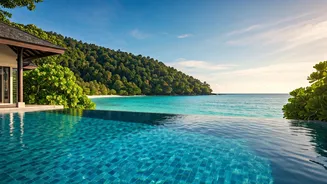
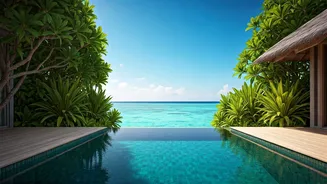
The feeling of exclusivity in the Andamans is deeply tied to its accommodation philosophy. Instead of sprawling, all-inclusive mega-resorts, the islands’ best properties champion a 'less is more' approach. Think boutique hotels with a handful of villas, eco-conscious lodges hidden in the jungle, and properties where the general manager knows your name. Places like Havelock Island (now Swaraj Dweep) and Neil Island (Shaheed Dweep) are home to resorts designed to blend with, rather than dominate, their surroundings. These resorts understand that modern luxury isn't about gold taps; it's about space, privacy, and quiet. Properties are often designed with a limited number of rooms to ensure a low guest-to-staff ratio and an intimate atmosphere. This isn't where you come for a packed schedule of organized fun. It’s where you come to have your day shaped by the rhythm of the tides, with a staff that anticipates your desire for a private dinner on the beach or a guide for a solo kayaking trip through mangrove creeks.
Disconnecting by Design
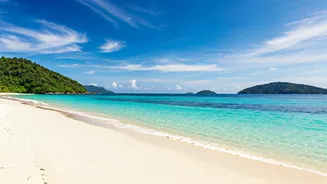
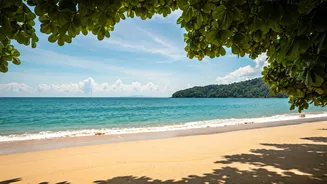
One of the Andamans' greatest luxuries is its invitation to disconnect. While connectivity has improved, Wi-Fi can still be gloriously unreliable, nudging you away from your screen and into the present moment. The activities here are analog and immersive. The real itinerary involves exploring the underwater world, which is the main event for many. With visibility often exceeding 80 feet, snorkeling and diving reveal a kaleidoscope of marine life around pristine reefs that have been spared the bleaching and damage seen elsewhere. You can charter a boat to an uninhabited island for a picnic, trek to hidden waterfalls through forests buzzing with endemic birds, or simply find a deserted stretch of sand at Radhanagar Beach—once named among the best in Asia—and have it almost to yourself, especially if you go early or late in the day. The absence of jet skis and banana boats is a feature, not a bug. The soundtrack is one of waves, birdsong, and the gentle rustle of palm leaves.
A Deeper Form of Exclusivity
Ultimately, the exclusivity of the Andamans feels different because it’s rooted in conservation and respect for nature, not just opulence. Many of the islands are protected reserves, and there’s a growing awareness among resort operators and visitors of the need to preserve this fragile ecosystem. The best resorts are often at the forefront of this, implementing sustainable practices like rainwater harvesting, waste reduction, and supporting local communities. Choosing a low-impact, boutique resort here feels less like a transaction and more like becoming a temporary custodian of a special place. The exclusivity comes from being one of the few to experience this paradise responsibly. It’s the feeling of watching a sunset from your veranda, knowing you are far from the beaten path, in a place that has intentionally kept the world at a slight, beautiful distance.