





The Burnout of 'Optimized' Wellness
For years, the message from the wellness world has been one of optimization. We were told to track our sleep, count our macros, bio-hack our biology, and push through high-intensity workouts. The result wasn’t always peace and health, but often a new
kind of anxiety. Did I hit my step goal? Is this smoothie clean enough? Am I meditating correctly? This pressure-cooker approach created a system where well-being felt like another job—one that required significant financial investment and a rigid, unforgiving mindset. It’s a culture that inadvertently made feeling good feel like hard, complicated work, leaving many people feeling more stressed than serene.
The Rise of the 'Soft' Outdoors
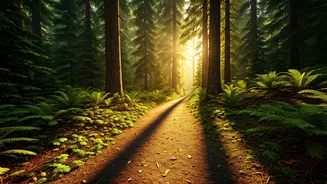
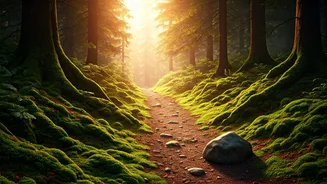
In response to this burnout, a different philosophy is taking root. It’s less about conquering mountains and more about simply connecting with nature. This movement embraces what some are calling “soft hiking” or “cozy cardio”—gentle, low-impact activities that prioritize enjoyment over intensity. Think less about summiting a treacherous peak and more about a leisurely stroll through a city park, a slow amble in a local forest, or just sitting on a bench to watch the clouds. This isn’t a rejection of fitness; it’s a redefinition of it. The goal shifts from performance metrics to presence and pleasure. It validates the simple act of moving your body in fresh air as a worthy and complete form of self-care, no expensive gear or heart-rate monitor required.
Accessibility Over Achievement
Perhaps the most radical aspect of this outdoor movement is its inherent accessibility. Unlike a $40-per-class Pilates studio or a thousand-dollar smart bike, the outdoors is largely free and open to everyone. It democratizes wellness, taking it out of the exclusive domain of boutique brands and putting it back in the hands of the community. You don’t need the latest trail runners to walk on a paved path. You don’t need a specific body type or fitness level to enjoy the sunshine. This shift dismantles the financial and physical barriers that have made the wellness industry feel unwelcoming to so many. The local park, the neighborhood sidewalk, and the nearby greenway become the new fitness centers—no membership fee required.
Prioritizing Mental Clarity
This movement also places a profound emphasis on mental and emotional health. The Japanese practice of *shinrin-yoku*, or “forest bathing,” has gained mainstream attention for its proven ability to reduce stress, lower cortisol levels, and improve mood. The focus isn't on burning calories but on absorbing the sensory experience of nature: the sound of birds, the smell of damp earth, the feeling of a breeze. By stripping away the pressure to perform, the outdoor experience becomes a form of moving meditation. It provides a much-needed antidote to our screen-saturated, constantly connected lives, offering a space for quiet reflection and mental restoration that a noisy, competitive gym environment often can't provide.
Community, Not Competition
While solitude in nature is powerful, this trend is also fostering a new kind of social connection. Walking clubs and casual hiking groups are sprouting up across the country, built on the idea of shared experience rather than rivalry. On TikTok and Instagram, creators champion “silly little walks” with friends, celebrating connection and gentle movement. These gatherings are not about who is fastest or strongest. They are about conversation, mutual support, and the simple joy of sharing a path with others. This provides a healthy alternative to the often individualistic and competitive nature of traditional fitness culture, reminding us that wellness can also be about belonging.