






An Ancient Approach to Seasonal Eating
The concept of a “monsoon diet” comes from Ayurveda, the traditional system of medicine from India that dates back thousands of years. In Ayurveda, health is all about balance—balance within the body and balance with the world around us. A core tenet
is that our internal environment is deeply affected by external seasons. The monsoon season, or *Varsha Ritu*, is considered a particularly vulnerable time for the human body. The logic is that the damp, cool, and cloudy environment fundamentally changes our internal landscape, requiring a different approach to what we eat and how we live to stay healthy. This isn't a modern fad; it's a time-tested protocol for seasonal wellness that has been passed down for generations.
Why Your Body Changes with the Weather
According to Ayurvedic principles, the monsoon season is dominated by an imbalance of *Vata dosha*—the energy associated with air and space, governing movement in the body. This imbalance, combined with the dampness in the air, is believed to weaken the *agni*, or digestive fire. Think of your digestive system as a campfire. In dry, clear weather, it burns hot and bright, efficiently processing whatever you put on it. But during a damp, rainy season, that fire becomes sluggish and smoky. A weakened digestive fire means food isn't broken down as effectively, leading to indigestion, bloating, and a buildup of toxins. This, in turn, makes the body more susceptible to infections, colds, and other illnesses that are common during the wet months.
The 'Eat This, Not That' of the Monsoon
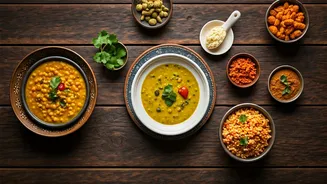
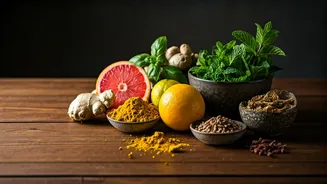
So, what does this mean for your plate? The goal of a monsoon diet is to eat foods that are easy to digest and help stoke that digestive fire. It’s less about calorie counting and more about food quality and preparation. Warm, freshly cooked meals are favored over cold, raw foods. Think nourishing soups, steamed vegetables, and light grains like barley, rice, and oats. Spices that have warming properties, such as ginger, black pepper, turmeric, and garlic, become kitchen staples. Conversely, foods that are hard to digest are limited. This includes heavy dairy products like cheese and yogurt, deep-fried foods, and an excess of raw salads and leafy greens, which can be difficult to break down and may carry a higher risk of contaminants during the rainy season. It’s a shift toward simple, warm, and easily processed nutrition.
Boosting Immunity and Mindful Living
This is where the idea of being “more than treat control” really comes into focus. A monsoon diet isn’t just about avoiding a checklist of “bad” foods. It’s a proactive strategy for strengthening your body from the inside out. The emphasis on immunity-boosting ingredients is central. A daily dose of ginger tea, a pinch of turmeric in your lentils, or a bit of honey (which is considered warming and cleansing) are all part of the holistic plan. It also extends beyond food. Ayurveda recommends a lifestyle that supports digestion and immunity during this time, including avoiding daytime naps (which can slow metabolism), staying dry, and keeping your surroundings clean. It’s a comprehensive approach that views food, environment, and daily habits as interconnected parts of a single wellness strategy.