




Meet the New Globetrotter
Forget the month-long European backpacking trip of yesteryear. The new face of Indian tourism is younger, more digitally connected, and far more spontaneous. Fueled by a burgeoning middle class, rising disposable incomes, and greater access to international
flights, millions of Indians are eager to explore the world. But they’re often doing it in short bursts. Think long weekends and impromptu holidays. This new cohort, dubbed ‘weekend wanderers,’ prioritizes convenience and value above all else. They might decide on a Wednesday to fly out for a three-day trip on Friday, a style of travel that was previously the domain of Westerners or the ultra-wealthy. This shift is creating a massive, fast-moving market that tourism-dependent economies are desperate to capture.
The Visa: Tourism's Great Wall
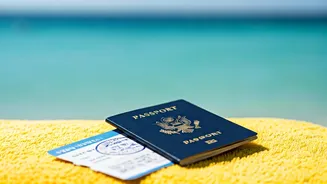
For decades, the biggest barrier to this kind of spontaneous travel for Indian passport holders has been the visa application process. It’s often a bureaucratic maze of paperwork, appointments, fees, and uncertain waiting periods. Planning a quick getaway is nearly impossible when you need to start the visa process weeks or even months in advance. Recognizing this, a growing list of countries has deployed a powerful economic tool: the visa waiver. By eliminating visa requirements for Indian citizens, nations like Thailand, Malaysia, Sri Lanka, and Kenya are effectively removing the single biggest point of friction. They are trading a small consular fee for a massive potential windfall in tourism revenue, sending a clear message: ‘We are open for business, and you can come right now.’
Southeast Asia's Winning Bet
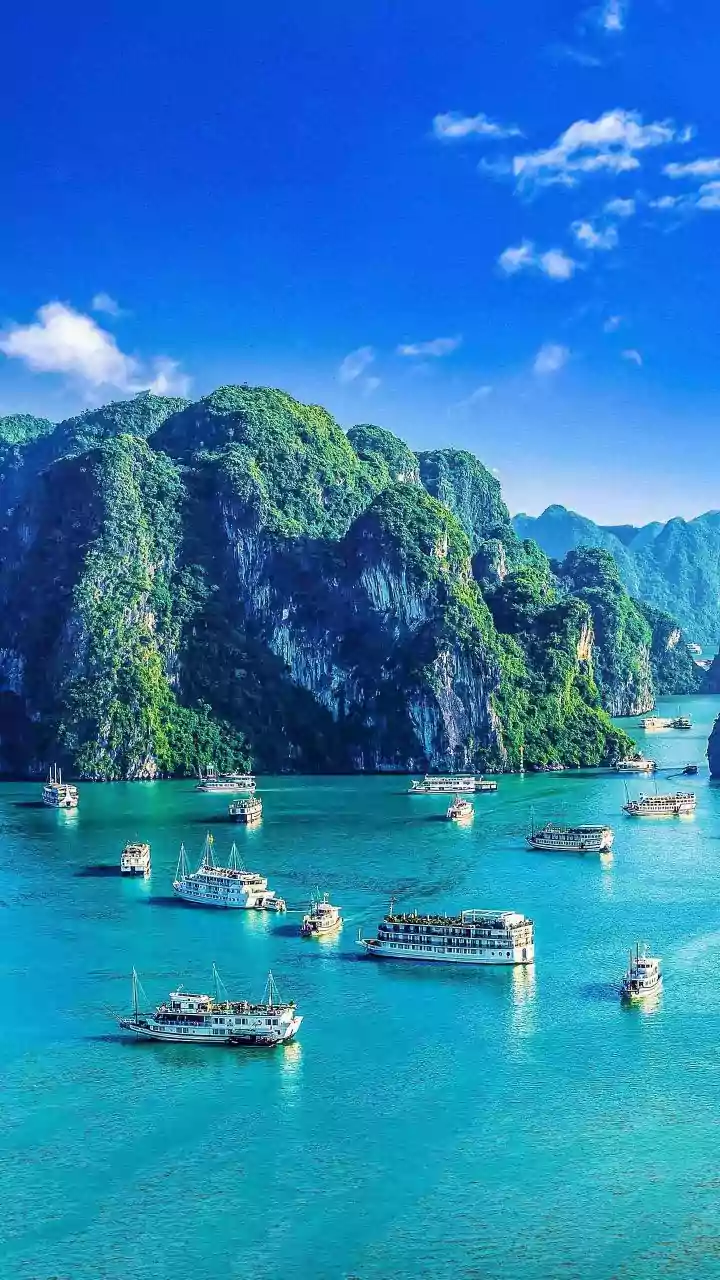
Nowhere is this strategy paying off more clearly than in Southeast Asia. In late 2023, Thailand announced a temporary visa exemption for tourists from India, and the results were immediate and dramatic. Travel portals reported a surge of over 40% in search queries for flights and hotels. The Thai government projected the move would attract hundreds of thousands of additional visitors, injecting hundreds of millions of dollars into its economy. Following suit, Malaysia and Sri Lanka quickly launched their own visa-free policies for Indian nationals. For these countries, the calculation is simple. The average Indian tourist spends significantly on accommodation, food, shopping, and activities—far more than the visa fee ever generated. It's a classic case of removing a small barrier to unlock a much larger economic flow.
A New Blueprint for Global Tourism
This trend isn't just about a few countries getting a temporary tourism boost. It signals a fundamental realignment in the global travel industry. For years, tourism marketing was heavily focused on travelers from North America, Europe, and, more recently, China. Now, India is undeniably the next great frontier. With a population of 1.4 billion and an economy that continues to expand, the potential is staggering. Travel industry analysts predict that Indian outbound travel spending will soar in the coming decade. The countries that make themselves most accessible will be the ones to reap the rewards. This competition for the Indian tourist dollar is forcing a re-evaluation of visa policies worldwide, turning what was once a matter of diplomatic reciprocity into a sharp instrument of economic strategy.