




More Than Just a Big Appetite
Working a physically demanding job in 90-degree heat isn't just tiring; it’s a metabolic furnace. The body’s primary job becomes thermoregulation—trying to keep its core temperature from skyrocketing. This process of constant sweating and increased circulation
burns a tremendous number of calories, far more than the same work would in cooler weather. According to occupational health experts, a worker can burn hundreds of extra calories per hour just from the body’s effort to stay cool. Ignoring this energy deficit is a recipe for fatigue, decreased productivity, and a heightened risk of accidents. That midday slump isn't just laziness; it's your body's fuel gauge hitting empty. A flimsy sandwich and a bag of chips simply won't cut it when your body is fighting a two-front war against physical labor and environmental heat.
Hydration Is Job Number One
We’ve all heard it: drink more water. But for outdoor workers, this advice needs a serious upgrade. The rule of thumb provided by agencies like OSHA is to drink water every 15 minutes, even if you don't feel thirsty. Thirst is a lagging indicator; by the time you feel it, you're already on the path to dehydration. Severe dehydration impairs cognitive function, slows reaction times, and can quickly escalate to heat exhaustion or life-threatening heatstroke. The goal should be proactive and consistent sipping throughout the day, not chugging a bottle at lunch. Aim for cool water, as it’s absorbed more quickly by the body. Avoid caffeine and sugary sodas, which can act as diuretics and worsen dehydration. A large, insulated water jug isn’t an accessory; it’s essential personal protective equipment.
Rethink Your Lunch Box
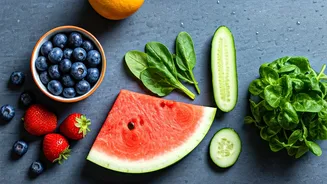
The traditional lunch—a meat-and-cheese sandwich, some pretzels—is poorly suited for extreme heat. Heavy, high-fat, and protein-dense meals are harder to digest, diverting blood flow to the stomach and away from the skin, where it's needed to dissipate heat. This can leave you feeling sluggish and even hotter. Furthermore, keeping that turkey sandwich at a safe temperature in a hot truck is a food safety gamble. Instead, think like an athlete. Pack foods that are hydrating, easy to digest, and packed with energy. Good options include: watermelon, oranges, cucumbers, and celery for hydration; whole-grain crackers or pasta salad for sustained-release carbohydrates; and hard-boiled eggs or Greek yogurt (if you have a good cooler) for lean protein. A frozen smoothie in a thermos can also be a perfect, cooling, nutrient-dense lunch.
The Critical Role of Electrolytes
When you sweat, you don't just lose water; you lose critical minerals called electrolytes, primarily sodium and potassium. These minerals are essential for nerve function and muscle contraction. Replenishing them is non-negotiable to prevent debilitating muscle cramps, dizziness, and fatigue. While sports drinks can help, many are high in sugar. A better strategy is to get electrolytes from your food. Snacking on a banana provides potassium. A handful of salted pretzels or nuts can help replace lost sodium. Even adding a pinch of salt to your water or packing some pickles can make a significant difference. Some workers prefer electrolyte powders or tablets that can be added to water, offering a low-sugar way to stay balanced.
A Strategy for All-Day Fuel
Eating one large meal in the middle of a hot workday is often counterproductive. A heavy lunch can make you feel lethargic and bloated. A more effective approach is to graze, fueling your body with smaller, more frequent meals and snacks. Start the day with a solid, carb-rich breakfast to stock your energy reserves. Then, plan for a mid-morning snack, a light lunch, and a mid-afternoon snack. This strategy provides a steady stream of energy, prevents blood sugar crashes, and keeps your digestive system from being overloaded. This isn't about dieting; it's about tactical fueling to maintain peak performance and, most importantly, to ensure you end the workday as healthy as you started it.