


More Than Just Protein
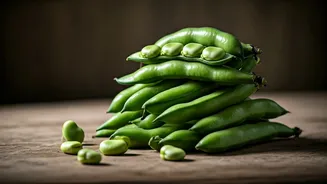
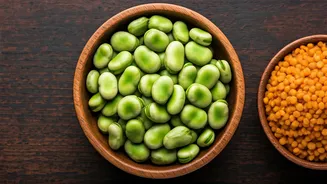
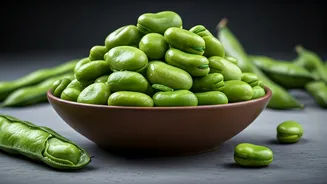
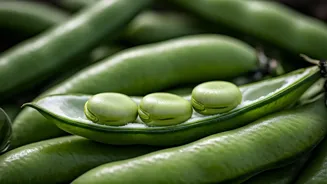
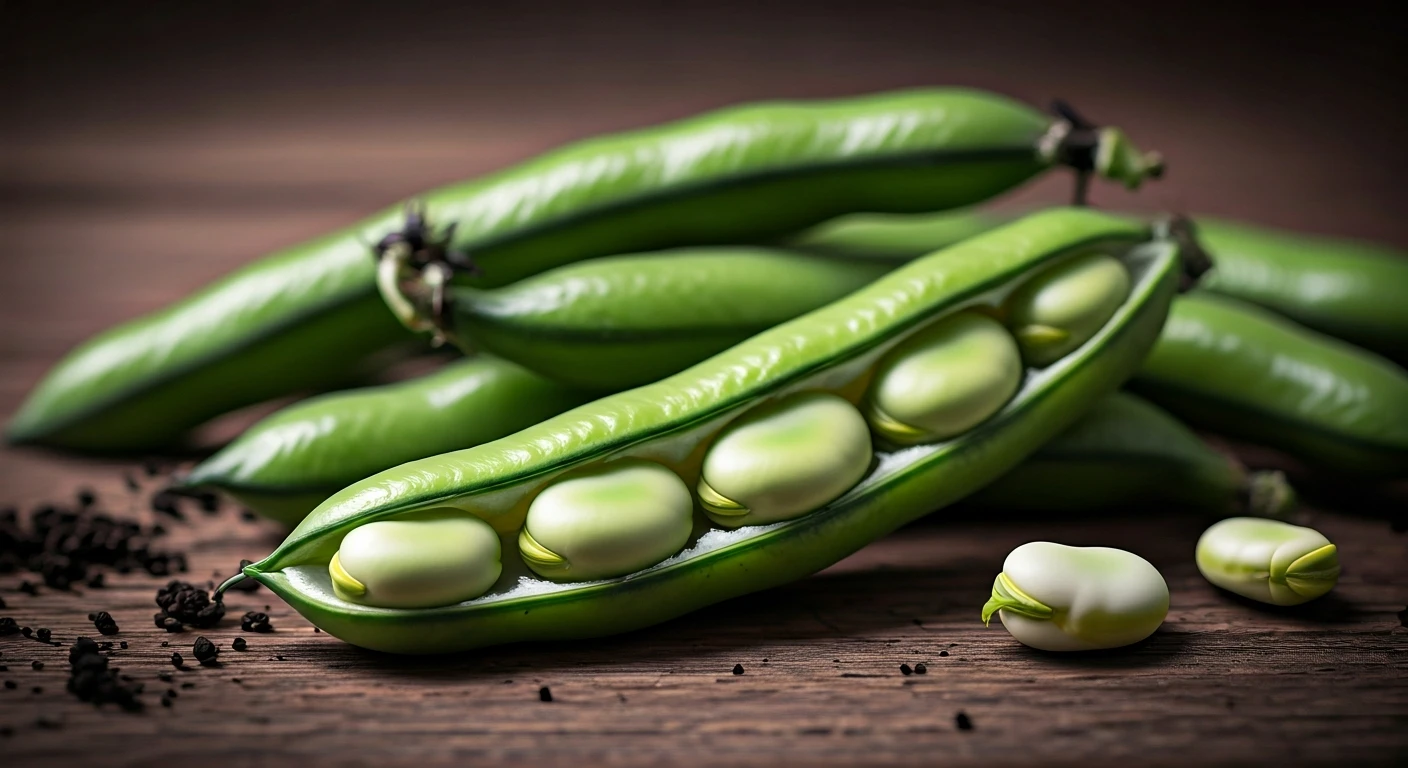
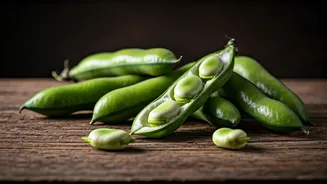
On paper, the fava bean is an undisputed nutritional powerhouse. Like other legumes, it’s rich in fiber, iron, and essential minerals like manganese and copper. But its protein content is where it truly starts to shine for food innovators. A single cup
of cooked fava beans contains around 13 grams of protein, making it a robust source. When concentrated into a protein isolate—the form used in many new plant-based products—it becomes a high-potency ingredient that can rival, and in some cases exceed, the density of pea or soy protein. This allows food manufacturers to pack more muscle-building power into everything from protein shakes to meatless burgers, all while delivering a strong profile of essential amino acids.
The Taste and Texture Advantage
For years, the Achilles' heel of many plant-based products has been their taste. Pea protein can have a distinctively earthy, sometimes bitter flavor that requires masking agents and added sugars. Soy has its own well-known flavor profile and is a common allergen. This is where the fava bean pulls ahead. Fava protein isolate is remarkably neutral in flavor, meaning it doesn’t require heavy processing or flavor-masking to be palatable. Its functional properties are even more impressive. It has excellent emulsifying capabilities, creating a creamy, smooth texture that’s highly sought after in dairy-free milks, yogurts, and ice creams. In meat analogs, it helps bind ingredients and provides a satisfying mouthfeel, solving many of the texture problems that have plagued the first generation of plant-based meats.
A Win for Sustainable Farming
The fava bean’s hero status isn’t just about what it does in the kitchen; it’s also about what it does in the field. Fava beans are a type of pulse crop known as a nitrogen-fixer. Through a symbiotic relationship with soil bacteria, they pull nitrogen from the atmosphere and convert it into a usable form in the ground. This naturally enriches the soil, reducing or even eliminating the need for synthetic nitrogen fertilizers for subsequent crops. This process is a cornerstone of regenerative agriculture, helping to improve soil health, increase biodiversity, and lower the carbon footprint of farming. Fava beans are also relatively drought-tolerant and can be grown in cooler climates, making them a versatile and resilient crop for farmers looking to diversify and build more sustainable operations.
An Important Health Consideration
While the fava bean is a nutritional boon for most, it carries a critical warning for a specific segment of the population. Individuals with a genetic condition called Glucose-6-Phosphate Dehydrogenase (G6PD) deficiency must avoid fava beans entirely. For these people, consuming fava beans can trigger a severe reaction known as favism, which leads to the rapid destruction of red blood cells (hemolytic anemia). This condition is most common in people of Mediterranean, African, and Southeast Asian descent. While food manufacturers using fava protein are increasingly aware of this, consumers with a known G6PD deficiency or a family history of it should be vigilant about reading ingredient labels.
Where You'll See It Next
The fava bean revolution is already underway. You’ll find its protein isolate powering a growing number of products on grocery store shelves. Plant-based milk brands are using it to create creamier, less chalky alternatives to oat and almond milk. High-protein snack bars and powders are leveraging its neutral taste. And innovative food-tech companies are incorporating it into the next wave of plant-based chicken, fish, and burgers for its superior textural qualities. It’s even showing up in gluten-free pastas and baked goods. As consumers continue to demand better-tasting and more sustainable plant-based options, the fava bean is perfectly positioned to move from a niche ingredient to a mainstream hero.