








The Secret Weapon: What Is Kasundi?
Meet your new favorite condiment: kasundi. Hailing from the Bengal region of India, kasundi is a powerful, pungent, and utterly delicious mustard relish. Forget the mild yellow or even the sharp Dijon you’re used to. Kasundi is in a league of its own.
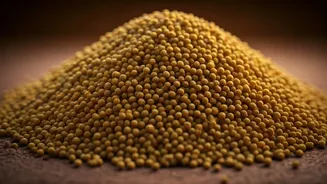
It’s traditionally made by fermenting mustard seeds—both black and yellow—with spices, vinegar, and sometimes green mangoes, giving it a complex flavor profile that is simultaneously spicy, tangy, and deeply savory. Think of it as mustard’s wild, vibrant, and more interesting cousin. Its intense, nose-tingling heat is balanced by a sharp, acidic bite that can cut through richness and elevate simple ingredients. While you can find recipes to make it from scratch, excellent jarred versions are increasingly available in specialty food stores and online, making this secret weapon accessible to any home cook.
Why This Glaze Works Magic
The magic of this recipe lies in the beautiful science of cooking. When you toss vegetables in a kasundi-based glaze and slide them into a hot oven, a few wonderful things happen. First, the pungent spice of the mustard doesn’t burn away; instead, it mellows slightly, infusing the vegetables with a warm, complex heat. Second, any sweetener in the glaze—like a touch of honey or maple syrup—caramelizes under the high heat, creating those crispy, browned, and incredibly flavorful edges we all fight over. The tanginess of the kasundi acts as a perfect counterpoint to the natural sweetness of roasted root vegetables like carrots, sweet potatoes, and parsnips. It also brightens up brassicas like broccoli and cauliflower, preventing them from tasting flat. The result is a dish with perfect balance: sweet, spicy, savory, and tangy, with an irresistible texture.
The Game-Changing Recipe
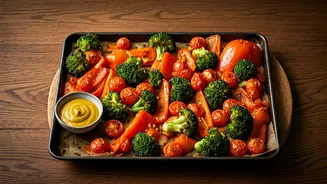
This recipe is more of a template than a strict rulebook, so feel free to use your favorite seasonal vegetables. **Yields:** 4 servings **Prep time:** 10 minutes **Cook time:** 25-35 minutes **Ingredients:** * 2 lbs mixed vegetables, cut into 1- to 1.5-inch pieces (e.g., broccoli florets, cauliflower florets, carrots, sweet potatoes, red onion wedges) * 3 tablespoons olive oil or other neutral oil * 3 tablespoons prepared kasundi * 1 tablespoon honey or maple syrup (optional, for extra caramelization) * 1 teaspoon salt * ½ teaspoon black pepper **Instructions:** 1. Preheat your oven to 425°F (220°C). Place a large, rimmed baking sheet in the oven to heat up while you prep. A hot pan is key to getting a good sear. 2. In a large bowl, whisk together the olive oil, kasundi, honey or maple syrup (if using), salt, and pepper. This is your glaze. 3. Add your chopped vegetables to the bowl and toss thoroughly until every piece is evenly coated in the glaze. 4. Carefully remove the hot baking sheet from the oven. Spread the vegetables in a single, even layer. Do not overcrowd the pan; use two pans if necessary. Crowding will cause the vegetables to steam instead of roast. 5. Roast for 25-35 minutes, flipping halfway through, until the vegetables are tender and beautifully caramelized with browned, crispy spots. 6. Serve immediately, garnished with fresh cilantro or parsley if desired.
Tips for Roasting Perfection
To ensure your roasted vegetables are truly game-changing every time, keep a few pro tips in mind. First, uniform size is crucial. Try to cut all your vegetables into similarly sized pieces so they cook at the same rate. Harder vegetables like carrots and potatoes should be slightly smaller than softer ones like broccoli. Second, don't skimp on the heat. A hot oven (400-425°F) is non-negotiable for achieving that crispy, browned exterior instead of a sad, steamed texture. Finally, give them space. Spreading vegetables in a single layer on the baking sheet allows hot air to circulate around each piece, promoting browning and caramelization. If your pan is too full, the vegetables will release moisture and steam, leaving you with a soggy result. It’s always better to use two pans than one overcrowded one.