
The Old Off-Season Mentality
For decades, the travel calendar for South India was ruthlessly simple. Tourists flocked to the sun-drenched beaches of Goa and the tranquil backwaters of Kerala between October and March. Then came April and May, with their sweltering heat, followed
by the main event: the southwest monsoon. From roughly June to September, a curtain of rain would descend upon the region. Guidebooks warned of washed-out roads, oppressive humidity, and shuttered beach shacks. The monsoon was seen not as an attraction, but as a four-month-long travel disruption. Airlines dropped their prices, luxury resorts offered steep discounts, and the tourism industry effectively went into hibernation, waiting for the sun to return. For the international traveler, a trip during these months seemed counterintuitive, a plan destined for disappointment.
Ayurveda’s Rainy Season Secret
The first major crack in this off-season logic came not from tourism marketers, but from ancient wellness traditions. Kerala, the epicenter of this travel revival, is also the global home of Ayurveda, India’s traditional system of medicine. According to Ayurvedic principles, the monsoon season is the absolute best time for rejuvenation therapies. The belief is that the cool, moist, dust-free atmosphere opens up the body’s pores, making it more receptive to herbal oils and treatments (known as ‘panchakarma’). What was once a local practice has become a powerful global draw. Wellness-seekers from across the world now specifically book trips during the rains to check into Ayurvedic resorts for weeks-long programs. The monsoon, far from being a hindrance, became a key ingredient in their healing journey, creating a powerful and lucrative niche that thrives on the very weather others avoided.
A Landscape Reborn and Rebranded
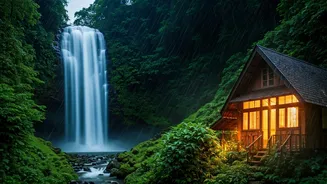
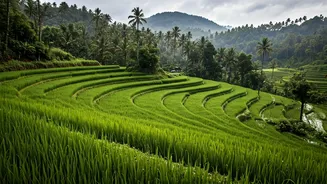
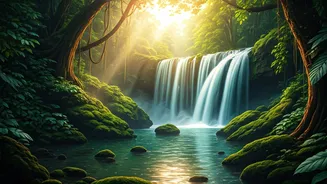
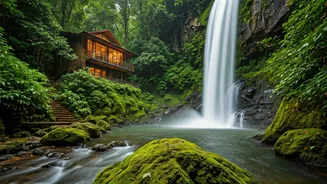
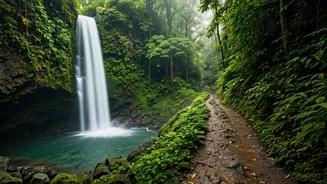
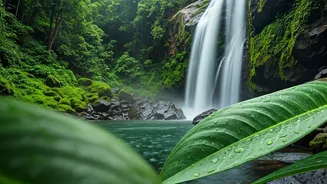
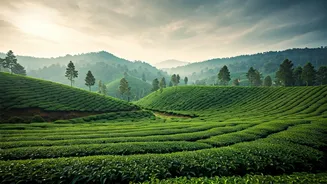
As wellness travelers began arriving, they discovered a secret the locals always knew: the monsoon is breathtakingly beautiful. The rains perform a dramatic act of transformation. Parched, dusty landscapes erupt into impossible shades of green. The Western Ghats, a mountain range running parallel to the coast, becomes a misty, ethereal wonderland of roaring waterfalls and rain-soaked forests. The backwaters of Kerala swell, their canals reflecting the moody, overcast skies. This visual spectacle wasn't lost on tourism boards, especially Kerala’s. They began a concerted effort to rebrand the season. They stopped calling it the 'off-season' and started marketing 'Monsoon Tourism.' They promoted the romance of watching the downpour from a houseboat, the meditative quality of the rain, and the sheer beauty of a world washed clean. Photographers, nature lovers, and travelers tired of cookie-cutter beach vacations began to take notice.
The Allure of Fewer Crowds and Lower Costs
Beyond the esoteric and the aesthetic lies a powerful practical appeal: value. While the monsoon is no longer a complete dead zone, it still offers the perks of 'shoulder season' travel. The crowds that pack popular spots like Munnar’s tea plantations or the fort in Kochi are noticeably thinner. This allows for a more intimate, less-hurried experience where the focus shifts from ticking off sights to simply soaking in the atmosphere. And while prices aren't at rock-bottom levels anymore, they are still significantly lower than during the peak winter months. Flights are cheaper, and luxury hotels and resorts that would be prohibitively expensive in December become accessible. For savvy travelers, the monsoon offers a chance to experience five-star luxury and authentic culture without the five-star price tag or the tourist hordes.