






University-Backed Online Certificates
For a credential with academic weight, look to programs from major university extension schools. Institutions like Cornell University and Michigan State University offer robust online certificates in urban agriculture. These programs provide a strong
foundation in the science and business of growing food in city environments. Coursework often covers soil health, small-scale farm management, season extension, and marketing your products. Because they are online, these certificates are accessible regardless of where you live. They are ideal for self-motivated students who want a comprehensive, science-based education they can complete on their own schedule, providing a credible qualification to add to a resume or college application.
Specialized Hydroponics and Tech Programs
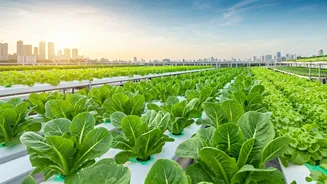
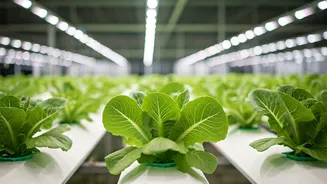
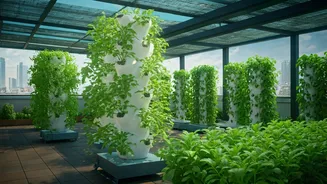
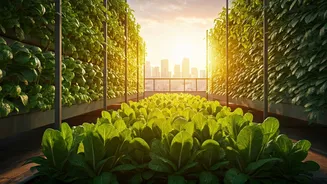
Modern urban farming often happens indoors, using technology like hydroponics, aquaponics, and vertical farming. To become a specialist in this high-tech space, consider a program focused on Controlled Environment Agriculture (CEA). The University of Arizona’s Controlled Environment Agriculture Center (UA-CEAC), for example, offers highly respected online courses and certificates. These programs dive deep into the specifics of growing plants without soil, managing lighting and nutrient systems, and optimizing yields in small spaces. This path is perfect for youth who are interested in the intersection of technology, engineering, and biology, preparing them for jobs in the rapidly expanding indoor farming industry.
Hands-On Community Farming Apprenticeships
If you learn best by doing, a hands-on program with a local non-profit might be the perfect fit. Organizations across the country, such as the Urban Growers Collective in Chicago or Teens for Food Justice in New York City, run youth apprenticeships and training programs. These initiatives offer invaluable real-world experience. Participants work directly on urban farms, learning everything from planting and harvesting to running farm stands and engaging with the community. While they might not always offer a formal “certification,” the practical skills and mentorship gained are priceless. Search for urban agriculture non-profits in your nearest city to find similar opportunities for immersive, community-focused learning.
Local Community College Programs
Don’t overlook the resources in your own backyard. Many community colleges have developed certificate programs in horticulture, sustainable agriculture, and agribusiness, often with a focus on local food systems. These programs are typically affordable, accessible, and designed to meet the needs of the regional job market. They provide a fantastic blend of classroom theory and practical lab work, sometimes with greenhouses or campus farms. An associate’s degree or certificate from a community college can be a direct pipeline to a job or serve as a stepping stone to a four-year university program. Check the course catalog of your local community college to see what pathways they offer.
What You'll Learn and Why It Matters
Regardless of the program you choose, a good urban farming certification will equip you with a diverse skill set. Core topics almost always include plant science (understanding how plants grow), soil management (or soilless media for hydroponics), pest and disease control, and basic business principles. But more than that, these programs teach problem-solving, resilience, and systems thinking. You learn how food production connects to community health, environmental justice, and economic development. These skills are not just for farming; they are transferable to a wide range of careers focused on sustainability and building more self-sufficient, equitable communities.