





Beyond the Food Pyramid
Remember the food pyramid? Or the endless debates over low-fat versus low-carb? For generations, nutritional guidance was delivered as a universal prescription. The problem, as many of us have experienced, is that it doesn't work for everyone. One person
thrives on a high-protein diet while another feels sluggish. A banana might be a healthy snack for your friend but cause a significant blood sugar spike for you. Scientists and wellness experts are finally catching up to this reality. Instead of asking “What is the perfect diet?” the new question is “What is the perfect diet for *you*?” This shift is powered by accessible technology and a deeper understanding of human biology, moving us away from generic rules and toward data-driven, individual insights.
Your Genes on a Plate
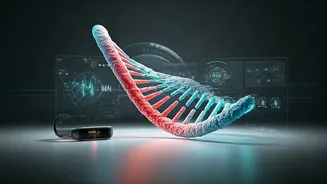
One of the most exciting frontiers in this new landscape is nutrigenomics—the study of how your specific genes influence your response to food. Consumer DNA tests from companies like 23andMe and others now often include reports that suggest how your genetic makeup might affect your caffeine metabolism, your predisposition to certain vitamin deficiencies, or whether you're likely to have an adverse reaction to alcohol. For example, your genes can influence how efficiently you convert beta-carotene from carrots into vitamin A. While this field is still in its early days, and no genetic test can hand you a perfect meal plan, it provides a foundational layer of information. It helps explain *why* you might feel better or worse on certain diets and can guide you toward focusing on nutrients you may be genetically less efficient at processing. It's less of a strict rulebook and more of a personalized starting point.
A New 'Gut Feeling'
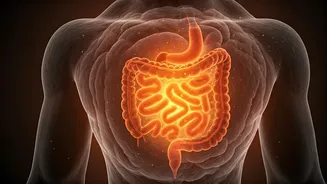
Your gut is home to trillions of microorganisms, collectively known as your microbiome. This internal ecosystem is crucial for everything from digestion to immune function and even mood. What you eat directly shapes the composition of your gut bacteria, and in turn, your gut bacteria influence how you digest food and absorb nutrients. This is why services offering microbiome testing (like Viome or ZOE) are gaining popularity. By analyzing a stool sample, these companies aim to provide a snapshot of your gut health and offer food recommendations to promote beneficial bacteria while discouraging less helpful ones. For instance, they might suggest you eat more fermented foods to boost certain microbes or avoid specific artificial sweeteners that your gut struggles with. The science is complex and evolving, but the core idea is simple: a healthy, diverse microbiome is key to overall wellness, and personalizing your diet is one of the most powerful ways to support it.
The Blood Sugar Revolution
Perhaps the most immediate and tangible form of personalized nutrition comes from Continuous Glucose Monitors (CGMs). Once reserved for people with diabetes, these small wearable sensors track your blood sugar levels in real time, 24/7. By pairing a CGM with a food-logging app, users can see exactly how their body responds to a meal. You might discover that your “healthy” morning oatmeal causes a dramatic sugar spike and subsequent crash, leaving you hungry an hour later, while eggs and avocado keep your levels stable for hours. This bio-feedback is incredibly powerful. It bypasses generic advice and provides direct, personal evidence of what foods stabilize your energy, mood, and hunger. For many, seeing the data in real time finally makes the connection between food and feeling crystal clear, empowering them to build a diet that truly works for their unique metabolism.
Is It Worth It? (And What to Watch For)
This new era of hyper-personalization is exciting, but it’s not without its challenges. These services can be expensive, with tests and subscriptions running into the hundreds or even thousands of dollars. It's also a largely unregulated market, so it’s crucial to be a savvy consumer. Look for companies that are transparent about the science behind their recommendations and, whenever possible, discuss your findings with a registered dietitian or doctor. They can help you interpret the data in the context of your overall health. The goal isn't to create a restrictive or anxiety-inducing relationship with food by obsessing over every data point. Instead, it's about using these new tools to cultivate a deeper understanding of your own body, allowing you to make smarter, more intuitive choices that leave you feeling your best.