




The Rise of the ‘Workation’
In the bustling metropolises of Mumbai, Delhi, and Bangalore, a quiet revolution is taking place—and it’s happening far outside the city limits. Young Indian professionals, armed with laptops and a renewed desire for work-life balance, are increasingly
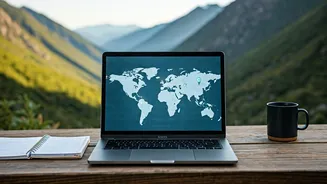
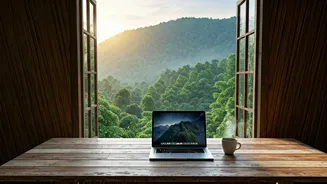
ditching the traditional vacation model. Instead of cramming a week of sightseeing into their precious time off, they are opting for longer, slower trips that blend professional obligations with personal escape. These aren't just holidays; they're 'workations' or 'bleisure' (business + leisure) trips, often set in serene, natural landscapes. Imagine taking a Zoom call from a balcony overlooking the Himalayan peaks in Himachal Pradesh, or drafting a report from a homestay nestled in the coffee plantations of Coorg. This is the new reality for a growing segment of India's millennial and Gen Z workforce.
A Pandemic-Fueled Mindset Shift
Like elsewhere in the world, the COVID-19 pandemic was the great catalyst. Forced into remote work, India’s massive tech and service industry workforce discovered something crucial: for many, the office was optional. The grueling daily commutes through some of the world's most congested cities were suddenly gone, replaced by a newfound autonomy. This experience fundamentally altered the psychological contract between employees and employers. The old model of 'presenteeism'—being physically present in an office to prove productivity—shattered. Young workers, many of whom were already questioning the hustle culture glorified by the previous generation, realized they could be just as effective from a quiet hill station as from a crowded open-plan office. The desire to make this temporary freedom permanent became a driving force.
From Concrete Jungles to Real Jungles
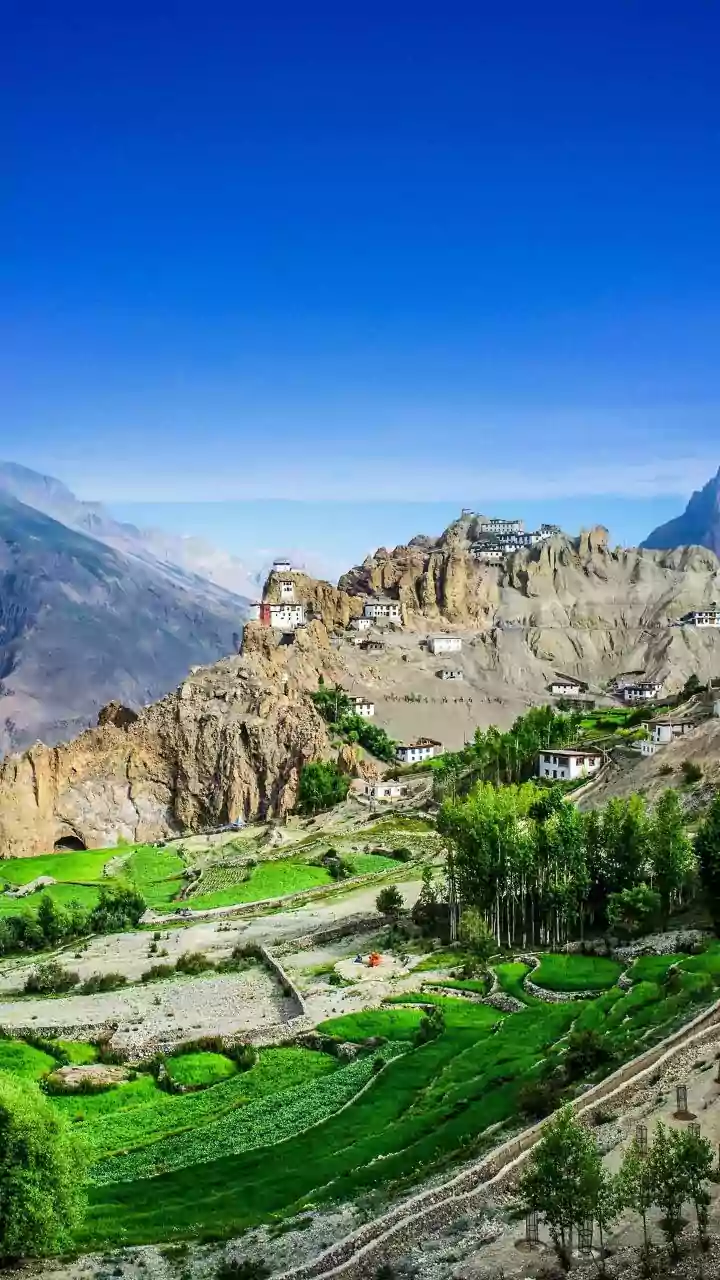
This trend is uniquely potent in India. First, there's the sheer demographic scale: India has the world’s largest youth population, a huge portion of which is digitally native and employed in the IT and services sectors perfectly suited for remote work. Second, there's the geography. India offers an incredible diversity of landscapes within its borders, all accessible via domestic travel. The options are staggering: cool mountain retreats in Uttarakhand and Himachal Pradesh, lush backwaters in Kerala, coastal villages in Goa, and remote wildlife sanctuaries. For city dwellers who have spent their lives in concrete jungles, the pull of clean air, open space, and a connection to nature is incredibly powerful. It’s a reaction against the noise, pollution, and high-stress environments of urban Indian life.
The Hospitality Industry Adapts
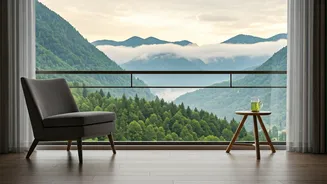
The travel and hospitality industry has been quick to notice the shift and adapt. Traditional hotels, once focused on short-term tourists, are now offering long-stay packages with discounted rates. A new ecosystem of 'work-friendly' homestays, boutique resorts, and co-living spaces has emerged, all marketing the key amenities for a successful workation: high-speed internet, dedicated workspaces, power backup, and quiet environments. These aren't just practical changes; they represent a new philosophy of hospitality. The host is no longer just providing a bed for the night but facilitating a lifestyle. They understand their guests are there to both work and unwind, and the best properties are those that seamlessly cater to both needs, perhaps offering a guided nature walk after the last email of the day is sent.