





Redefining Roughing It
Forget everything you know about camping. In the high-altitude desert of Ladakh, a region in northern India often called “Little Tibet,” a new form of travel combines raw adventure with uncompromising luxury. Glamping, or glamorous camping, here isn't
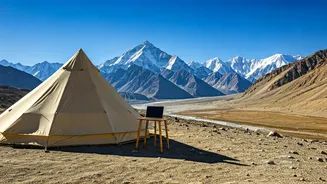
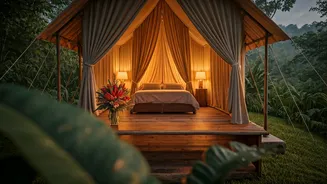
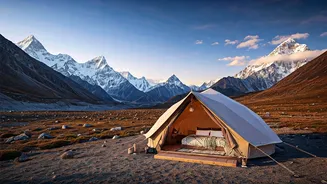
about a slightly nicer sleeping bag. It's about expansive, canvas-sided suites furnished with colonial-style furniture, king-sized beds, and full en-suite bathrooms with running hot water. These seasonal camps, which are assembled and disassembled each year to leave a minimal footprint, offer the kind of service you’d expect from a five-star hotel. Private butlers attend to your every need, from delivering morning coffee to your tent to arranging bespoke excursions. It’s an experience designed for the traveler who wants to connect with one of the world's most remote landscapes without sacrificing an ounce of comfort.
A Landscape of Stark Beauty
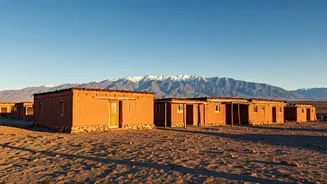
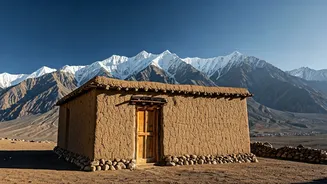
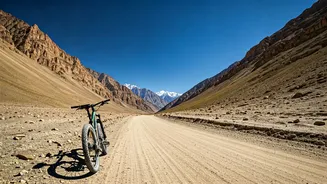
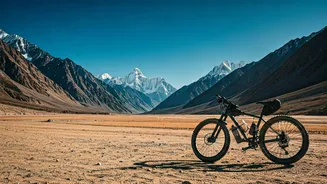
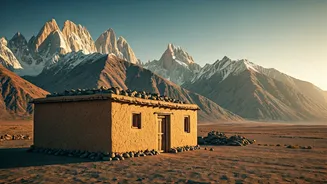
The setting is, without question, the main star. Ladakh is a land of dramatic contrasts. Nestled between the Karakoram and Himalayan mountain ranges, its high-altitude plateau is a panorama of barren, ochre-colored mountains, deep blue skies, and impossibly clear rivers. The air is thin and crisp, and the silence is profound. Dotted throughout this dramatic scenery are ancient Buddhist monasteries, some clinging precariously to sheer cliff faces. These gompas, with their fluttering prayer flags and serene, chanting monks, provide a deep sense of history and spirituality that permeates the entire region. Glamping here allows for total immersion in this environment. You’re not just looking at a picture; you’re living inside it, with the jagged peaks of the Himalayas forming the walls of your temporary home.
Luxury with a Conscience
The “eco-friendly” part of the headline isn’t just marketing speak; it’s a necessity in this fragile ecosystem. The best Ladakhi glamping operations are built on principles of sustainability. Power is often generated by solar panels, and water, a precious resource in the desert, is used with extreme care, often through sophisticated filtration and conservation systems. The camps are designed to be low-impact, leaving no permanent structures behind when they are packed away at the end of the season. Furthermore, responsible operators prioritize the local community. They hire and train staff from nearby villages, source produce from local farmers, and contribute to the preservation of Ladakhi culture. This approach ensures that your bucket-list trip also supports the people and the place you’ve come to admire, making the luxury feel earned and meaningful.
A Day in the High Himalayas
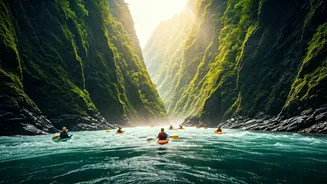
A typical day blends relaxation with curated adventure. You might start with yoga overlooking the Indus Valley as the sun rises over the Stok mountain range. After a gourmet breakfast, your guide might take you on a private tour of the famous Thiksey Monastery, a stunning 12-story complex that resembles the Potala Palace in Lhasa. The afternoon could involve a gentle raft trip down the Indus River, a picnic in a grove of apricot trees, or even attending a traditional game of polo, a sport with a long history in the region. Evenings are for unwinding. You can enjoy a multi-course dinner featuring both local and international cuisine in an elegant dining tent, followed by a drink by the bonfire. As darkness falls, far from city lights, the sky erupts into a dazzling display of stars, a perfect end to a day of surreal beauty and comfort.
Planning Your Himalayan Escape
Venturing to Ladakh requires some planning. The main airport is in Leh, the region's capital, which is a short flight from New Delhi. The tourist season runs from May to September, when the weather is pleasant and the mountain passes are open. The most critical factor to consider is altitude. Leh sits at over 11,500 feet, and altitude sickness is a real risk. Reputable camps insist that guests spend at least two full days in Leh acclimatizing before moving to the campsite. This is not a suggestion to be taken lightly; it's a mandatory safety measure. Drink plenty of water, avoid strenuous activity for the first 48 hours, and allow your body to adjust. This slow start is a blessing in disguise, forcing you to slow down and sync with the unhurried pace of life in the Himalayas.