



The Rise of 'Functional' Food
The first and biggest shift is the move from food as fuel to food as medicine. We’re no longer asking, “Is this healthy?” but rather, “What can this do for me?” This is the world of functional foods, where every ingredient is expected to pull its weight.
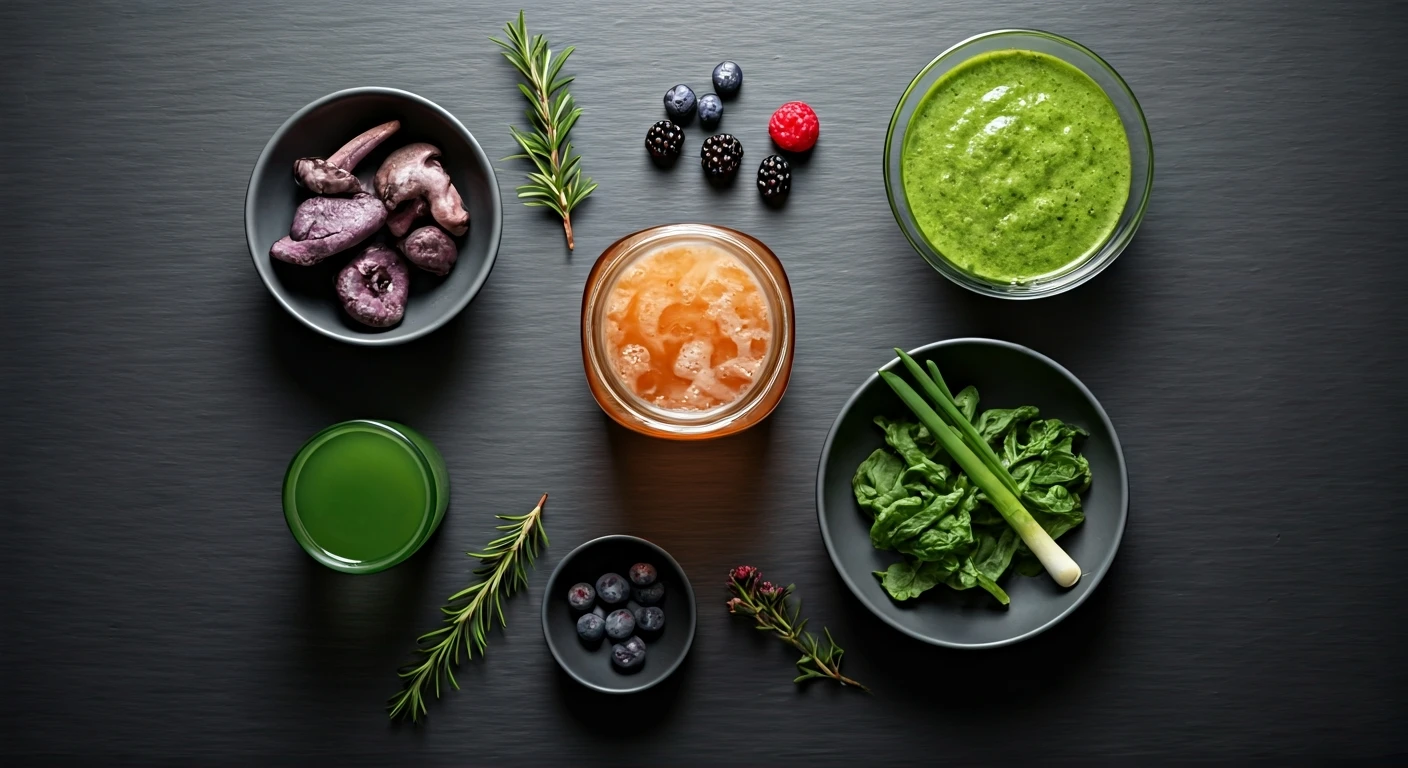
Think less about empty calories and more about tangible benefits. Your morning coffee is now infused with lion’s mane mushrooms for focus. The afternoon seltzer you grab is packed with probiotics and prebiotics to support gut health. Even your evening snack might contain adaptogens like ashwagandha to help you de-stress from the day. This isn’t a niche wellness trend anymore; it’s going mainstream. Brands are responding by fortifying everything from yogurt to pasta with added protein, fiber, vitamins, and botanicals that promise everything from better sleep to clearer skin. The meal of the near future is a multitasking marvel, designed to optimize our bodies and minds with every bite.
Peak Convenience Without Compromise
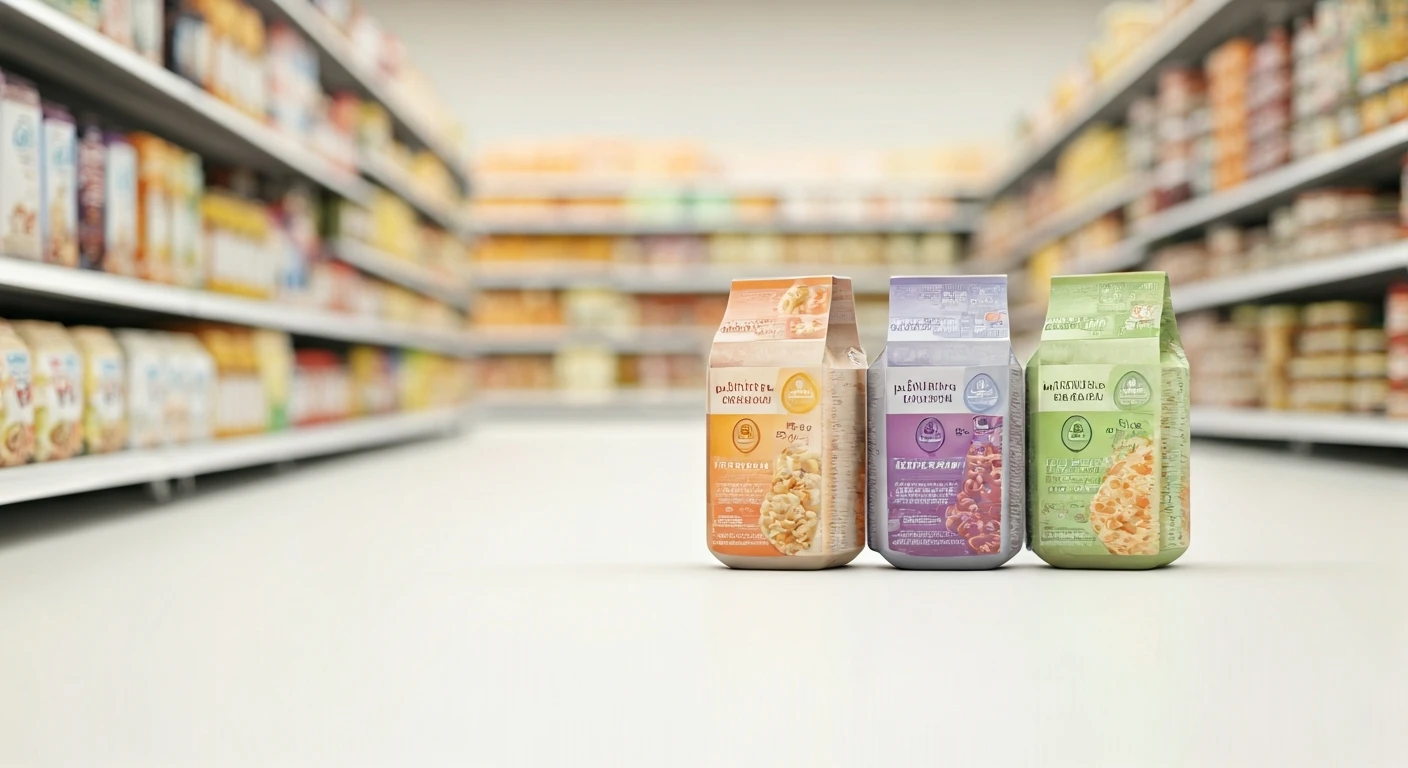
Our lives aren't getting any slower, and our demand for convenience is at an all-time high. But the old trade-off—fast and easy for unhealthy and low-quality—is dead. The new expectation is what you might call “convenience-plus.” We want meals that are ready in minutes but still taste chef-made and align with our health goals. This is why the frozen food aisle has gotten a gourmet makeover, with brands offering plant-based entrees, grain bowls with global flavors, and high-protein pizzas that don't taste like cardboard. It’s why meal delivery services are no longer just about raw ingredients but also about pre-prepped, heat-and-eat dishes that cater to specific diets like keto, vegan, or paleo. The winning formula for 2026 is a product that eliminates the friction of cooking and cleaning without forcing consumers to compromise on nutrition, flavor, or quality. It’s about giving back time, our most precious commodity.
Eating Your Ethics
A meal’s value is no longer measured on the nutrition label alone. Consumers increasingly want to see their values reflected on their plates. The “more” that a meal does is now deeply connected to its environmental and ethical footprint. Shoppers are scrutinizing packaging, favoring brands that use recycled, recyclable, or compostable materials. They’re looking for certifications that guarantee regenerative farming practices, fair labor standards, and animal welfare. The story behind the food matters. Was this chicken humanely raised? Is this palm oil sustainably sourced? Is this company a certified B Corp? These questions are becoming just as important as “How many calories does it have?” Brands that are transparent about their supply chain and demonstrate a real commitment to sustainability are building a powerful form of loyalty that goes beyond taste. A meal that's good for the planet feels better to eat, and that feeling is a powerful selling point.
Food as an Experience
Finally, in a world of endless screen time, food is becoming a tangible and shareable experience. The “more” can be a sense of discovery, entertainment, or connection. This trend fuels the popularity of limited-edition flavor drops from snack brands, which create a sense of urgency and online buzz. It’s also behind the rise of meal kits that do more than just feed you—they teach you a new cooking technique or introduce you to the cuisine of a country you’ve never visited. We're buying into a narrative, a chance to briefly become a pastry chef or a globetrotting foodie from our own kitchen. This experiential layer adds emotional value, turning a simple dinner into a memorable event. It’s a way for food to feed our curiosity and our desire for novelty, making it a key component of the modern, multitasking meal.