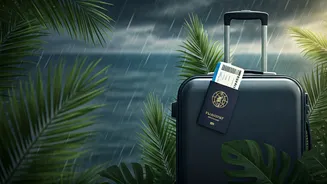







So, What Does ‘Rain-Coded’ Mean?
Think of it less as an official industry term and more as traveler shorthand for a frustrating new reality. For decades, savvy globetrotters have played the system by booking trips during the “shoulder seasons”—the pleasant months just before or after
a destination’s peak tourist crush. You’d go to Greece in October to avoid the summer heat and crowds, or hit Thailand in November as the monsoon season traditionally subsided. This strategy was built on predictable weather patterns. Now, those patterns are becoming anything but predictable. A trip that’s “rain-coded” is one where the historical promise of a dry, sunny off-season has been scrambled by climate change. It means torrential downpours in the Mediterranean fall, a delayed end to the monsoon in Southeast Asia, or unseasonable storms in the Caribbean. You booked for sunshine and got a week of solid gray, forcing you to scrap your beach days and hiking plans. It’s the travel equivalent of a software bug, where the old code for “good weather” no longer runs properly.
Where Is This Happening Most?
This isn’t a localized fluke; it’s a global trend. In Europe, the Mediterranean has been a prime example. Countries like Greece, Italy, and Croatia are experiencing more frequent and intense autumn storms that can cause flash flooding and ground ferry services, disrupting island-hopping itineraries. What was once a month of pleasant, swim-friendly weather in early October can now feel more like a stormy November. In Southeast Asia, the rhythm of the monsoon is changing. Travelers heading to places like Thailand and Vietnam expecting the dry season to kick in are finding the rains lingering longer and with more intensity. A trip planned for the “safe” window might now fall squarely in a prolonged wet spell. Similarly, hurricane season in the Atlantic and Caribbean is becoming longer and more volatile, making early winter trips a bigger gamble than they used to be. The bottom line: the old travel almanac is obsolete.
Rethink Your Itinerary, Not the Trip
A rain-coded forecast doesn’t have to mean canceling your trip. It just means you need to plan with more flexibility. Instead of building an entire vacation around sun-drenched, outdoor-only activities, create a 'Plan B' itinerary. Before you go, research fantastic indoor options: world-class museums, incredible restaurants, hands-on cooking classes, local craft workshops, or even luxurious spas. Build your days with a mix of potential activities. Maybe the morning is for a hike *if* it’s sunny, but the afternoon is reserved for a gallery visit or a long, leisurely lunch, rain or shine. This approach turns a potential washout into a chance to explore a different side of your destination. Instead of seeing rain as a trip-ruiner, you can see it as a trip-redirector, pushing you toward cultural experiences you might have otherwise missed.
Pack for All Four Seasons
The days of packing only shorts and sandals for a tropical off-season getaway are over. The new rule is to pack for multiple possibilities. This doesn’t mean hauling a massive suitcase; it means packing smart. Layers are your best friend. Think moisture-wicking base layers, a lightweight fleece or sweater, and, most importantly, a high-quality, packable waterproof jacket. It’s the single most valuable item you can bring. Choose quick-drying fabrics for pants and shirts. A pair of jeans that gets soaked can take days to dry in a humid hotel room, but technical fabrics can be ready to go by morning. Also, bring at least one pair of waterproof or water-resistant shoes. Nothing ends a day of exploring faster than soggy, blister-inducing footwear. A little preparation in your suitcase can save your entire trip from being dictated by the weather.
Buy the Insurance You Hope You Won't Need
In this new climate, travel insurance is non-negotiable, but not all policies are created equal. Standard trip-cancellation insurance often won’t cover you if you simply don’t want to go because the forecast looks grim. It typically only kicks in for specific, named perils like a hurricane officially hitting your resort or your flight being canceled. This is where “Cancel For Any Reason” (CFAR) coverage becomes worth its weight in gold. It’s an optional upgrade that is more expensive, but it allows you to cancel your trip for, well, any reason—including a terrible weather forecast—and still recoup a significant portion (usually 50-75%) of your non-refundable costs. For an off-season trip where the primary draw is good weather, CFAR provides the ultimate peace of mind and financial backstop.