




The Health Halo Got a Modern Upgrade
The idea that plants are good for you is hardly news. But the conversation has shifted from a general 'eat your vegetables' mantra to specific, well-documented benefits. Major health organizations have noted that diets rich in plant-based proteins are often
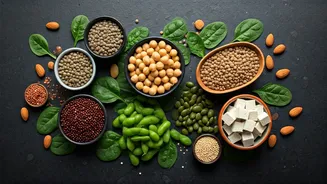
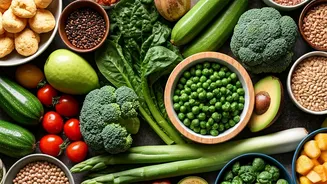
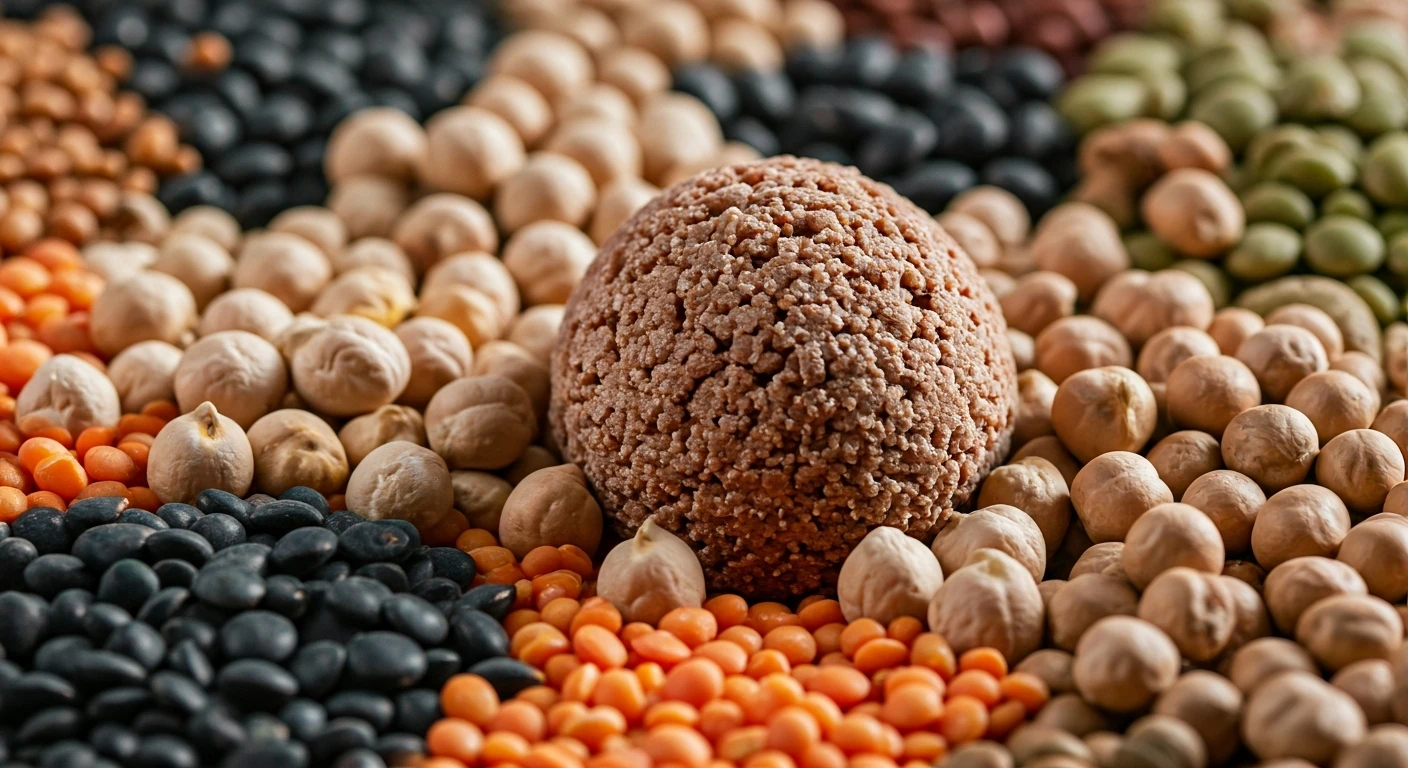
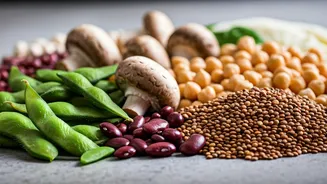
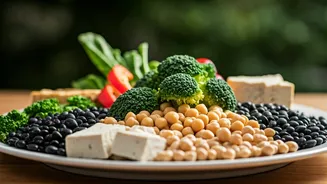
linked to a lower risk of heart disease, type 2 diabetes, and certain cancers. When you swap a serving of red meat for something like lentils or tofu, you’re often reducing your intake of saturated fat and cholesterol while increasing your fiber—a nutrient most Americans don't get enough of. This isn’t about demonizing meat; it’s about recognizing that incorporating more plant sources like beans, chickpeas, nuts, and seeds is one of the most reliable ways to boost overall health.
The Planet Has Entered the Chat
For a growing number of people, especially Millennials and Gen Z, what’s on their plate is inseparable from the health of the planet. The environmental argument for plant protein has become a massive driver of its popularity. Producing animal protein, particularly from beef and lamb, is resource-intensive. It requires vast amounts of land for grazing and growing feed, consumes significant quantities of water, and is a major source of greenhouse gas emissions like methane. In contrast, producing protein from plants like peas, soy, or lentils has a much smaller environmental footprint. As concerns about climate change become more urgent, choosing a bean burrito over a steak has become a tangible, everyday act of environmental consciousness for many.
It Finally Tastes Really, Really Good
Let’s be honest: for decades, the mainstream perception of veggie burgers was a dry, crumbly puck of sadness. That has completely changed. A wave of food science and culinary innovation has produced a new generation of plant-based meats that look, cook, and taste remarkably like their animal counterparts. Companies like Beyond Meat and Impossible Foods invested heavily in understanding the sensory experience of eating meat—the sizzle, the texture, the 'bleed'—and then recreated it with plant ingredients. This breakthrough has been a game-changer, converting skeptics and giving meat-eaters a plant-based option that doesn’t feel like a sacrifice. Now, you can find a juicy, satisfying plant-based burger that even a devoted carnivore can appreciate.
It’s More Accessible Than Ever Before
You no longer have to trek to a specialty health-food store to find decent veg protein. It’s everywhere. Your local supermarket has entire sections dedicated to plant-based milks, cheeses, and meats. More importantly, it has broken into the mainstream food scene. Fast-food giants like Burger King (the Impossible Whopper) and McDonald's have introduced plant-based options, signaling a massive cultural shift. Your neighborhood diner, your favorite pizza place, and even your office cafeteria are now likely to have compelling vegetarian and vegan options on the menu. This explosion in availability and visibility normalizes plant-based eating, making it an easy and convenient choice rather than a difficult exception.
The Cost Conversation Is Shifting
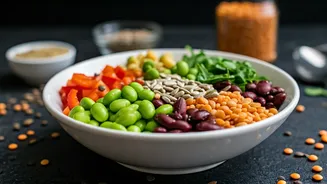
While high-tech plant-based burgers can sometimes be pricier than conventional ground beef, the broader economics are more complex and increasingly favor plants. The foundational sources of veg protein—beans, lentils, tofu, and chickpeas—remain some of the most affordable and nutrient-dense foods you can buy. A bag of dried lentils can provide meals for days at a fraction of the cost of meat. Furthermore, as the production of meat alternatives scales up, prices are beginning to fall. Many industry experts predict that these products will reach price parity with conventional meat within the next few years. For budget-conscious households, embracing plant-based staples is a smart financial move, and the premium for meat analogues is no longer a permanent barrier.