





Embracing “Monsoon” Weather
While the U.S. doesn’t experience true monsoons in the South Asian sense, many regions face a similar challenge every summer. Think of the humid, storm-filled afternoons in Florida and along the Gulf Coast, or the dramatic summer thunderstorms of the Southwest.
This “monsoon-style” weather is defined by extremes: intense heat followed by deluges of rain. For a garden, it’s a high-stress environment. Petunias get waterlogged and leggy, zinnias become prone to powdery mildew, and delicate poppies are shredded in a single storm. Many plants simply can’t cope with the rapid swing from baked-dry soil to standing water. This is where the marigold’s “low-drama” reputation is truly earned. It’s a plant built for these exact conditions, offering brilliant color without the constant worry.
They Thrive in Heat and Sun
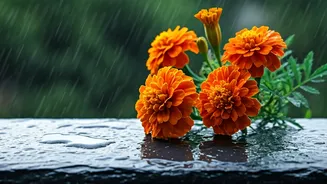
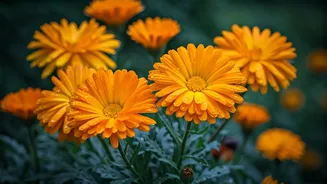
First and foremost, marigolds are sun-worshippers. Native to the Americas, including regions in Mexico and Central America, they are genetically programmed to handle intense solar radiation and high temperatures. While other flowers wilt and crisp under the unforgiving midday sun of July and August, marigolds seem to draw energy from it, producing even more vibrant pom-poms of orange, yellow, and red. Their leaves are structured to minimize water loss, and their overall constitution is robust. This heat tolerance means they won’t demand extra watering or shade cloths just to survive the peak of summer. Plant them in the sunniest, most punishing spot in your garden, and they will likely reward you with a season-long display.
Resilience in the Rain
The “monsoon” part of the equation is heavy rain, and this is where many flowers fail. Marigolds, however, are structurally sound. Their sturdy stems and compact flower heads are less prone to breaking or getting beaten down by heavy droplets. They shed water efficiently, preventing the blooms from becoming a sodden, rotting mess. The key to their success in wet conditions is drainage. Marigolds don’t like “wet feet,” meaning they can suffer from root rot if left in standing water. However, in well-draining soil—whether in a garden bed or a container—they can handle frequent, heavy soakings. The water runs through the soil, giving the roots a deep drink without drowning them. This combination of a sturdy structure and a love for good drainage makes them uniquely suited to a summer of unpredictable downpours.
A Natural Pest Repellent
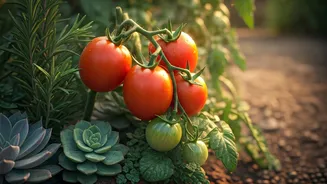
Part of being a “low-drama” plant is not inviting a host of problems, and marigolds are famous for their work as tiny garden bodyguards. Their distinct, pungent scent, which some gardeners love and others tolerate, is a powerful deterrent for a variety of pests. Most notably, French marigolds (Tagetes patula) release a chemical from their roots that is toxic to root-knot nematodes, microscopic worms that can devastate vegetable crops like tomatoes, squash, and peppers. Planting marigolds as a border or interspersing them throughout a vegetable patch can help protect your harvest. They also repel other unwanted insects and are generally left alone by deer and rabbits, who dislike their strong smell and taste. This built-in pest control means less worrying and less spraying for you.
Getting the Most from Your Marigolds
Making these sunny flowers happy is remarkably simple. Start with good drainage; if you have heavy clay soil, amend it with compost or plant your marigolds in raised beds or containers. Give them at least six hours of direct sunlight per day. While they are drought-tolerant once established, they’ll bloom more profusely with consistent watering, especially in extreme heat. The single most important task for continuous blooms is deadheading. By pinching off the spent, faded flowers, you prevent the plant from going to seed and encourage it to produce new buds. This simple chore, performed every few days, will keep your marigolds looking fresh and vibrant from late spring until the first frost.