


Beyond the Usual Suspects
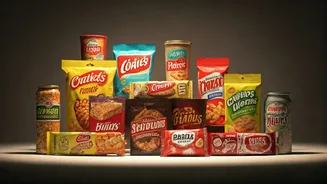
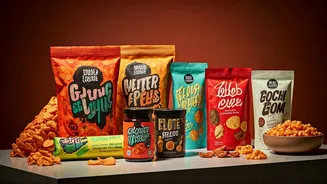
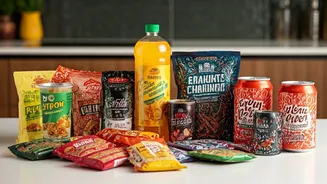
For decades, the American palate, at least according to major food brands, was predictable: cheddar, sour cream and onion, barbecue. But today’s shelves tell a different story. You might find Lay’s potato chips flavored like a Cuban Sandwich in Miami
or Nashville Hot Chicken in Tennessee. Oreo, the king of limited-edition whimsy, has cycled through everything from Swedish Fish to Waffles & Syrup. Even legacy brands are getting in on the action. Goldfish has released a Frank's RedHot flavor, while Heinz is testing regional barbecue sauces that go far beyond the generic sweet-and-smoky profile. This explosion of specificity isn't just about offering variety. It’s a full-blown strategy to make mass-produced products feel personal, local, and, most importantly, exciting.
The Business of Being Interesting
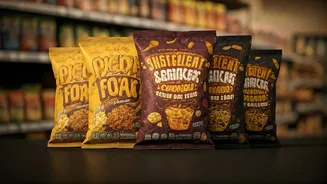
So, why are giant corporations suddenly acting like experimental small-batch producers? The answer is a mix of defense and offense. The food market is more fragmented than ever. Smaller, nimble “challenger brands” have used unique flavor profiles and authentic stories to steal market share. In response, giants like PepsiCo and Mondelez are borrowing from their playbook. The primary weapon in this fight is the Limited Time Offer, or LTO. An LTO like a Cherry Coke-flavored slushie or a spicy dill pickle chip is a low-risk way to generate enormous buzz. It creates a sense of urgency—buy it before it’s gone!—that drives sales and, more crucially, online conversation. If the flavor is a hit, it can be brought back or even added to the permanent lineup. If it flops, it disappears quietly, having served its purpose as a marketing event.
From TikTok to Your Taste Buds
This trend isn’t happening in a vacuum; it’s being fueled by our digitally-saturated culture. In the age of Instagram and TikTok, food is content. A wild new chip flavor isn’t just a snack; it’s a prop for a viral video. Brands know that a truly bizarre or intriguing product will earn them free advertising through unboxing videos, taste tests, and memes. The more “out there” the flavor, the more likely it is to be shared. Furthermore, this move toward regionalism reflects a changing America. As the country becomes more diverse, so do its tastes. A flavor that speaks to a specific cultural heritage—like tteokbokki-flavored snacks or elote-seasoned corn chips—can create a powerful connection with a growing consumer base that has long been ignored by one-size-fits-all products. For others, it’s a form of culinary tourism from the comfort of their own couch.
The New Comfort Food
This embrace of regional flavors is also redefining what we consider “comfort food.” For a generation that is more mobile than ever before, a taste of home might not be a generic pot roast, but a very specific regional specialty. A bag of Zapp’s Voodoo chips can transport a New Orleans native back to the bayou. Utz’s “Crab Chips” are a staple of Maryland identity. By offering these hyper-local tastes on a national scale, companies are tapping into a powerful sense of nostalgia and identity. It acknowledges that America isn’t a single, homogenous market but a collection of distinct culinary regions. This allows consumers to feel seen, whether they’re buying a taste of the home they miss or exploring the flavors of a place they’ve only dreamed of visiting.