






First, What Is an Umami Flex?
Let’s break it down. Umami is the fifth basic taste, alongside sweet, sour, salty, and bitter. It’s that satisfying, deeply savory flavor you get from a seared steak, a rich tomato sauce, or aged Parmesan cheese. It makes food taste more complex and deeply satisfying.
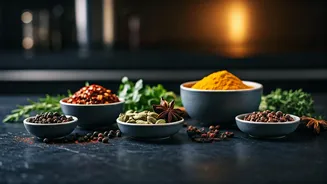
A 'flex' is simply showing off your skills. So, an 'umami flex' is the art of skillfully layering these profound savory notes into a dish to make it pop. For decades, chefs have relied on classic umami sources. In the West, it’s things like anchovies, mushrooms, and Worcestershire sauce. In India, it’s a slow-cooked base of onions, ginger, and garlic, the caramelization of tomatoes, or the richness of yogurt. But achieving that depth can take time. That’s where miso comes in.
A Shortcut to Complexity
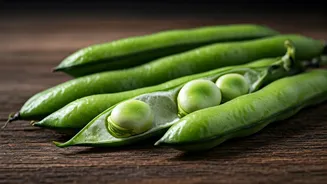
Miso is a fermented paste, typically made from soybeans, salt, and a fungus called koji. The fermentation process breaks down the proteins in the soybeans into amino acids, including glutamate—the molecule responsible for the magic of umami. Essentially, miso is a concentrated, ready-to-use flavor bomb.
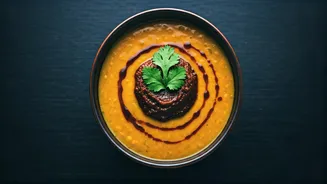
For innovative Indian chefs and adventurous home cooks, this is a game-changer. Why spend an hour coaxing flavor out of tomatoes when you can add a spoonful of miso for a similar, if not more complex, result? It's not about replacing traditional methods but about augmenting them. Think of it as a modern tool in an ancient kitchen. It’s being used to add a mysterious savory background note to dal, to create a richer marinade for paneer or chicken tikka, and even to add a salty-sweet complexity to desserts like caramel or kheer.
How It's Being Used
The beauty of miso is its versatility. Lighter-colored white miso (shiro miso) is milder and slightly sweet, making it perfect for blending into creamy sauces or lentil dishes like dal makhani, where it can enhance the buttery texture without being obvious. It dissolves beautifully, adding a layer of savory richness that guests might not be able to name but will definitely notice.
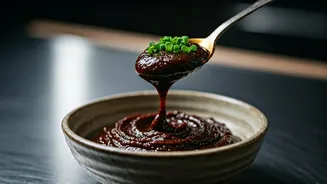
Darker red miso (aka miso) is more pungent and saltier, having been fermented for longer. This robust paste is finding its way into marinades for kebabs and grilled vegetables, where its powerful flavor stands up to the char of the grill. Some chefs are even creating 'miso butter' to slather on naan or smear on roasted corn, combining a classic French technique with Japanese and Indian staples. It’s a global conversation happening on a single plate.
Not So Foreign After All
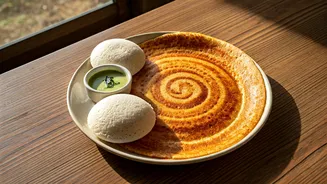
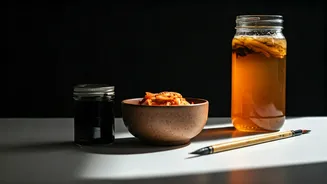
While miso paste itself is from Japan, the core concept behind it—fermentation—is deeply ingrained in Indian culinary tradition. From the sour tang of dosa and idli batter to the funky power of countless regional pickles (achaar), Indians have been harnessing fermentation to preserve food and create bold flavors for centuries. Miso isn't an alien concept; it's a kindred spirit.
This is why its adoption feels less like a jarring fusion and more like a natural evolution. It taps into a familiar love for pungent, savory, and complex tastes. Miso offers a new dialect in a language of flavor that Indian palates already understand intimately. It’s a testament to the fact that a good idea, especially a delicious one, knows no borders.