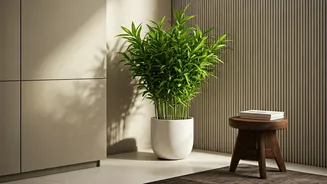





First, What Is Japandi?
Before we get to the fusion, let's refresh the foundation. Japandi is the design world’s favorite portmanteau, a hybrid of Japanese and Scandinavian aesthetics that has taken root in American homes for a simple reason: it just works. It combines the sleek,
modern lines and cozy comfort (hygge) of Nordic design with the Japanese philosophy of wabi-sabi—finding beauty in imperfection, simplicity, and natural materials. The result is a style that feels intentionally minimalist but never cold. Think clean lines, uncluttered surfaces, and a muted color palette of oatmeal, stone, and soft grays. The materials are key: light woods like oak and maple meet organic textures such as linen, wool, and ceramic. It’s a style built on function, craftsmanship, and a deep connection to nature, creating a sanctuary-like atmosphere that feels both curated and deeply calming.
The Woven Soul of Indian Cane
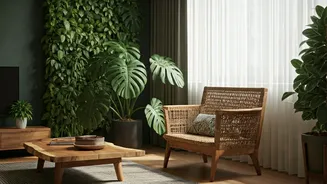
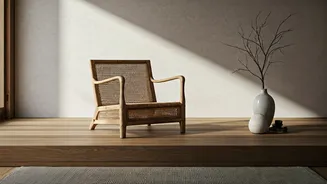
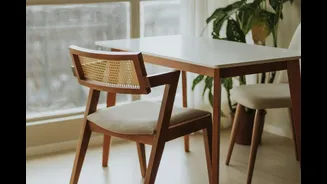
Now, let’s travel to another design tradition. Cane furniture, made from the outer peel of the rattan vine, has been a staple in India for centuries. It’s lightweight, durable, and breathable, making it perfect for hot climates. We’re not talking about the clunky wicker sets of the 1980s. Instead, think of the elegant, airy chairs with intricate woven backs seen in colonial-era bungalows, or the simple, functional woven stools and benches found in countless homes. Indian cane furniture carries a story of artistry. The weaving itself is a craft passed down through generations. Its beauty lies in its simplicity and its texture. The open weave creates visual lightness, allowing light and air to pass through, while the natural material introduces an element of the outdoors. A well-made cane piece is both a functional object and a small piece of sculpture, embodying a handmade, organic spirit.
Why This Unlikely Pairing Works So Well
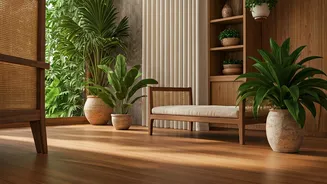
On the surface, spare Japandi and traditional Indian cane might seem like an odd couple. But their harmony is rooted in shared philosophies. Japandi provides the perfect quiet, neutral backdrop for a piece of cane furniture to truly shine. Against a wall of soft beige or next to a simple oak table, the texture and pattern of a cane chair become a focal point without overwhelming the space. More importantly, both styles celebrate natural materials and craftsmanship. The smooth, finished wood of a Japandi sideboard and the raw, woven texture of a cane seat are in conversation with each other. This is where the "upcycled" aspect becomes magical. An older, found piece of Indian cane furniture—perhaps a vintage planter or a worn-in armchair—brings the exact wabi-sabi element that Japandi prizes. Its imperfections, patina, and history add a layer of soul and authenticity that you can’t buy new. It prevents the minimalist space from feeling sterile, injecting it with a story.
Bringing the Look Home
Incorporating this trend doesn’t require a complete overhaul. The beauty of this pairing is its subtlety. It’s about creating moments of textural contrast. Start with a single statement piece. Hunt for an upcycled cane armchair at a flea market or vintage store. Look for its unique character—a slightly weathered frame or an interesting woven pattern. Place it in a quiet corner of your living room with a simple linen cushion. Consider smaller accents as well. A set of upcycled cane-backed dining chairs can bring warmth to a minimalist dining table. A vintage cane screen can act as a natural, light-filtering room divider. The key is to let the cane piece breathe. Don’t crowd it. In a Japandi space, less is more, and that principle allows the handcrafted beauty of an upcycled find to stand out as the functional art it is.