

Say Goodbye to Sharp Angles
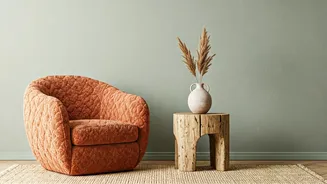
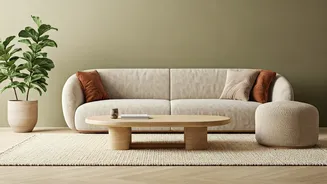
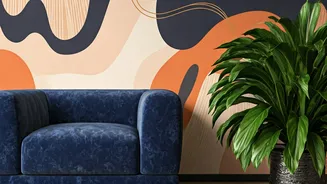
The reign of rigid, minimalist furniture with harsh corners is softening. By 2026, expect to see an explosion of gentle curves and rounded silhouettes. Think kidney-shaped sofas, circular coffee tables, and arched doorways and mirrors. This isn't just
an aesthetic choice; it’s rooted in psychology. Curved forms are perceived by our brains as safer, more welcoming, and more organic than sharp, angular ones. This move toward “blobjects” (a portmanteau of blob and object) creates a visual flow in a room, encouraging relaxation and conversation. It’s a deliberate turn away from the aggressive geometry of the past decade and toward furniture that feels like it wants to embrace you.
A Color Palette Pulled from the Earth
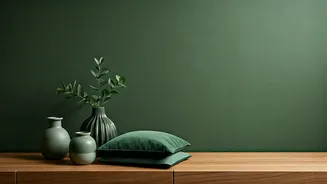
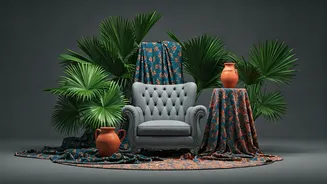
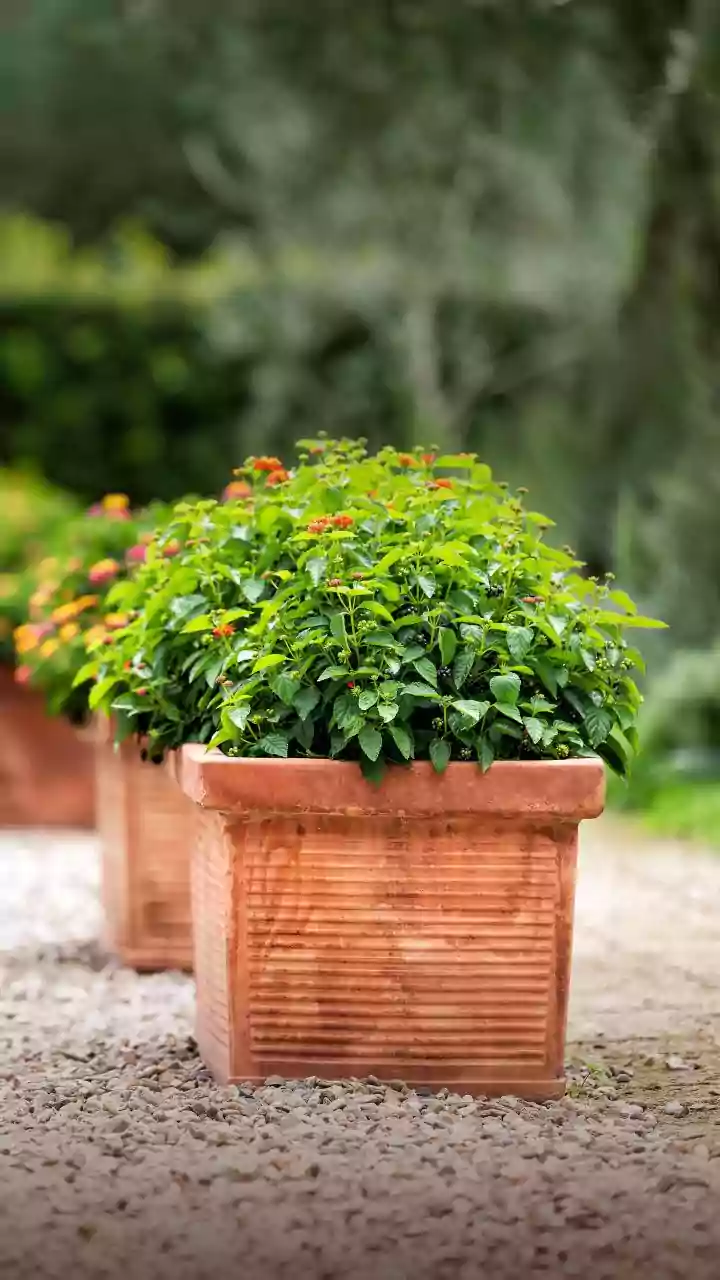
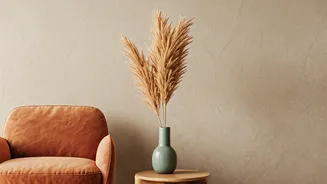
The color forecast is decidedly grounded. Forget fleeting, vibrant fads. The 2026 palette is all about warm, muted, and sophisticated earth tones that evoke a sense of calm. We’re talking about rich terracotta, dusty rose, mushroom taupe, and deep mossy greens. These are colors you’d find on a walk in the woods or a stroll through a desert canyon. They serve as a perfect backdrop for natural materials and provide a soothing alternative to the stark whites and cool grays that once dominated. Even accent colors are getting an earthy makeover, with shades like burnt ochre and muted mustard replacing electric blues and hot pinks. The goal is to create a cohesive, cocooning environment that feels both timeless and deeply comforting.
Materials That Feel Authentic
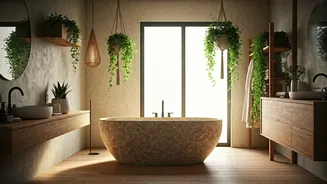
In a world saturated with synthetic materials and digital screens, there's a growing craving for authenticity. This translates into a celebration of natural, honest materials in our homes. Light-toned woods like ash, white oak, and maple will continue to be popular, prized for their ability to brighten a space without feeling sterile. Stone is also having a major moment, particularly travertine and limestone with their porous, matte finishes. These materials bring texture and a sense of history. Elsewhere, look for rattan, cane, and jute to add organic texture, not just in a bohemian context, but as sophisticated elements in modern design. The key is that these materials are perfectly imperfect, showing natural grain, veining, and texture.
Textures You Can’t Help But Touch
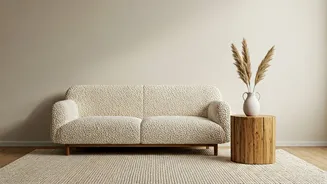
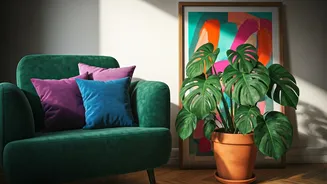
The “soft and earthy” trend is as much about feel as it is about looks. Get ready for a sensory feast of tactile fabrics and finishes. Bouclé, the nubby, fleece-like fabric, will remain a go-to for upholstery, offering unparalleled coziness on chairs and sofas. It will be joined by other touchable textiles like slub linen, with its natural irregularities, and chunky, hand-knotted wool rugs that feel incredible underfoot. Even velvet is sticking around, but in more muted, dusty shades. This focus on texture is about creating a layered, multi-sensory experience. It’s about the comforting weight of a knit throw, the soft pile of a rug, and the plush surface of a sofa—small details that make a home feel like a true sanctuary.
Biophilia: Beyond the Potted Plant
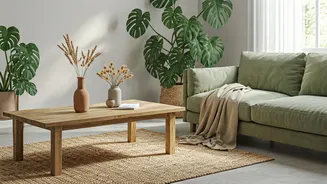
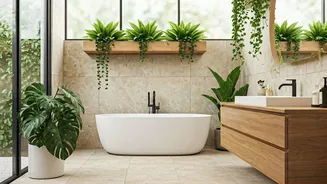
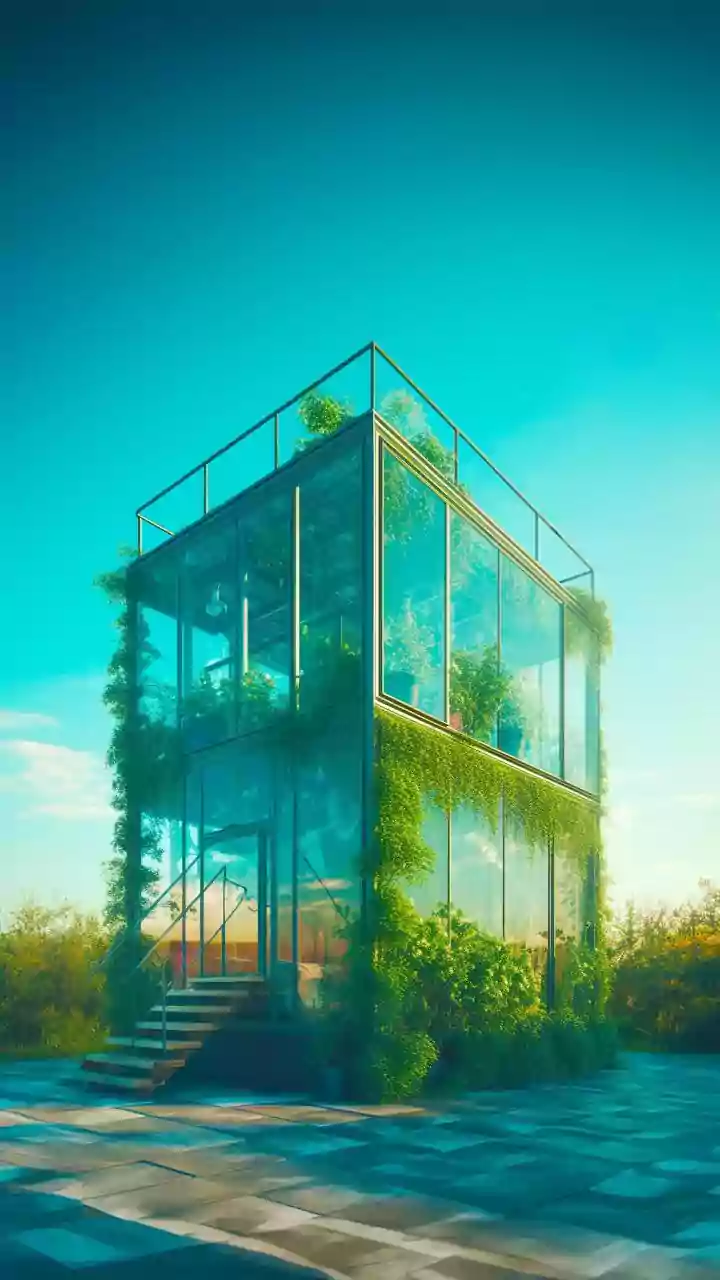
For years, “biophilic design” simply meant adding a fiddle-leaf fig to the corner of a room. By 2026, the concept will be far more integrated. It’s about fundamentally connecting the architecture and design of a space with the natural world. This means maximizing natural light with sheer, breezy curtains instead of heavy drapes. It involves creating layouts that offer clear views of the outdoors, blurring the line between inside and out. We'll also see nature-inspired patterns—subtle leaf motifs, wood-grain prints, and abstract landscapes—appearing on wallpaper and textiles. It’s less about performative plant ownership and more about thoughtfully designing our homes to mimic the restorative qualities of nature.
The Rise of the Perfectly Imperfect
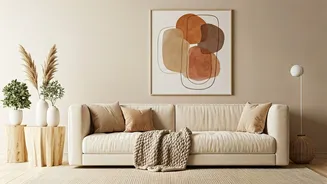
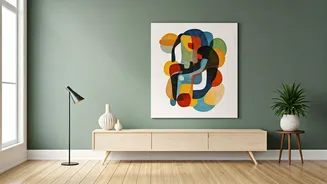
Mass production is losing its allure. The future of decor lies in pieces that tell a story and show the hand of the maker. This trend, often associated with the Japanese philosophy of wabi-sabi, finds beauty in imperfection. Think handcrafted ceramics with slight asymmetries, hand-blown glassware, and one-of-a-kind art from local creators. Instead of a perfectly matched set of decor items, the look is more collected and personal. These pieces add character and soul to a room, preventing the “soft and earthy” aesthetic from becoming a bland, uniform catalog look. They serve as a reminder that a home should be a reflection of a life lived, not a sterile showroom.