




Why Drainage Is King
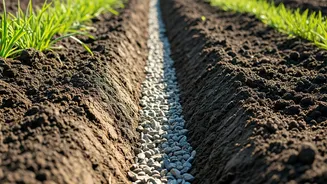
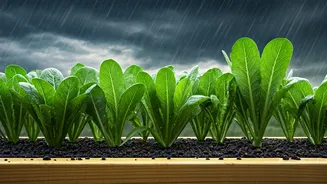
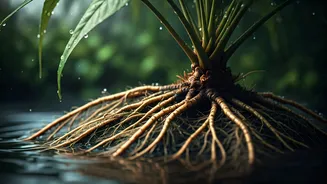
Before you even think about colorful annuals or stylish decorative rocks, you must think about where all that water is going to go. When heavy rains saturate the ground, soil pores fill with water, pushing out the oxygen that plant roots need to survive.
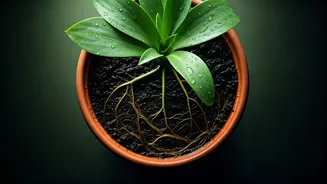
This leads to a condition called root rot, a fungal disease that is the number one killer of plants in overly wet conditions. Essentially, your plants can drown. Beyond root rot, poor drainage creates other problems. Waterlogged soil can become heavily compacted, making it difficult for roots to grow and for nutrients to be absorbed. The intense flow of water can also wash away valuable topsoil and nutrients, leaving your plants starved in the long run. A beautiful garden is a healthy garden, and health starts below the surface, with a system that can handle both drought and deluge. Prioritizing drainage isn't just a suggestion; it's the foundation of successful monsoon gardening.
Amend Your Soil for Success
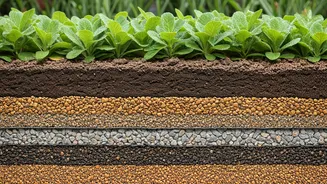
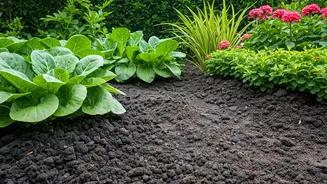
The first and most important line of defense is your soil composition. Many native soils, particularly those with high clay content, drain very slowly. The goal is to create a lighter, more porous structure. The best way to do this is by amending your soil with organic matter. Compost is your best friend here. Working several inches of mature compost into the top 6-8 inches of your garden beds will work wonders. It helps bind sandy soils so they retain some moisture while creating air pockets in clay soils to improve drainage. For exceptionally heavy clay, you can also incorporate other materials. Coarse sand (not fine play sand, which can create a concrete-like effect) or small gravel can help break up the dense structure. Horticultural additives like perlite or vermiculite are also excellent for creating permanent air spaces and improving drainage in both garden beds and container mixes. A simple test is to dig a hole about a foot deep, fill it with water, and see how long it takes to drain. If water is still standing after a few hours, you know you have work to do.
Elevate Your Efforts with Raised Beds
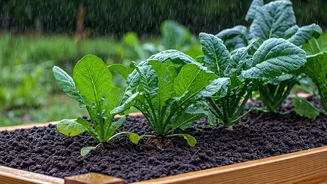
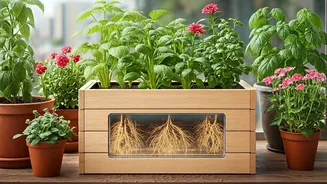
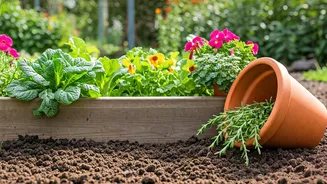
If you're dealing with severely compacted soil or a flat yard where water tends to pool, amending the ground might not be enough. This is where raised beds become an indispensable tool for the monsoon gardener. By building beds that are at least 8 to 12 inches high, you physically lift the root zone of your plants above the saturated ground level. This gives you complete control over the growing medium. You can fill the raised beds with a perfect, custom blend of topsoil, compost, and other amendments that guarantees sharp drainage. During a torrential downpour, excess water will simply drain out the bottom of the beds, leaving the soil within perfectly moist but not waterlogged. Raised beds also prevent soil compaction from foot traffic and can help warm the soil faster, extending your growing season. They are the ultimate drainage solution.
Mastering Container Drainage
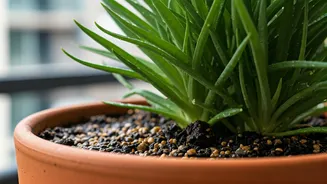
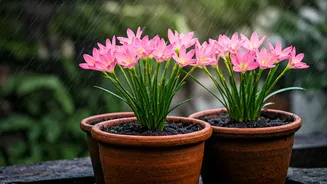
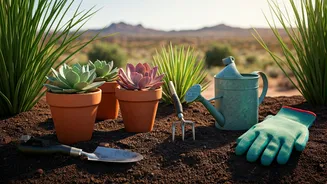
For those gardening on patios, balconies, or in small spaces, containers are the go-to option. But a decorative pot can quickly become a death trap during a monsoon. First, ensure every single pot has drainage holes—and not just one tiny one. If a pot you love doesn't have them, you must drill them yourself. More holes are always better. Next, avoid the old myth of putting a layer of gravel at the bottom of the pot. This actually hinders drainage by creating a 'perched water table' that keeps the lower soil soggy. Instead, use a high-quality, well-draining potting mix, often labeled for cacti or succulents, or create your own by adding extra perlite to a standard mix. Finally, elevate your containers. Placing pots directly on a hard surface like a concrete patio can block the drainage holes. Use 'pot feet' or simple bricks to lift the container an inch or so off the ground. This allows water to flow out freely and ensures air can circulate underneath, preventing the dreaded soupy mess at the bottom of the pot.