




What Exactly Is an AI Trainer?
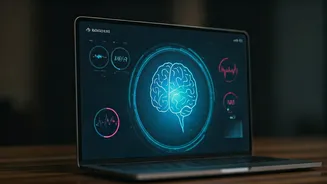
Forget the pre-recorded videos and generic PDFs. An AI trainer is a sophisticated algorithm designed to act like a personal coach. Instead of giving you a one-size-fits-all plan, it creates a unique workout for you before every single session. Think of it as
the difference between a vinyl record and a Spotify playlist that learns your taste. The record plays the same songs in the same order every time. The AI-driven playlist, however, constantly evolves based on what you skip, what you 'like,' and what you play on repeat. In fitness terms, this means the AI considers your goals, your available equipment, and, most importantly, your performance data from previous workouts to decide what you should do today.
How It Learns From You
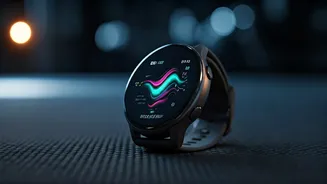
This isn't magic; it's data. AI fitness apps gather information from several sources to build a profile of your capabilities. The most common input is your feedback. After a workout, an app like Fitbod or Freeletics might ask you how difficult the session was or which muscle groups feel sore. If you report that your chest is exhausted from yesterday's bench presses, the AI will likely program a leg or back day to allow for recovery. It also tracks your performance. If you successfully completed 3 sets of 10 reps at 150 pounds, the AI might suggest increasing the weight or reps next time. More advanced platforms integrate with wearables like an Apple Watch or Whoop strap to monitor heart rate and recovery scores. The cutting edge even uses your phone's camera to analyze your form on exercises like squats or push-ups, offering real-time feedback to prevent injury—a feature once exclusive to human trainers.
The Upside: A Hyper-Personalized Plan
The primary benefit is powerful, dynamic personalization. An AI coach can prevent you from hitting a plateau by constantly adjusting variables like volume, intensity, and exercise selection. This ensures you're always challenged just enough to make progress—a principle known as progressive overload. It also adds variety, which keeps workouts from becoming stale. If you're traveling and only have access to resistance bands, the AI can generate an effective workout on the fly. And then there's the cost. While a good human personal trainer can cost hundreds of dollars a month, most AI fitness apps are available for a monthly subscription that’s less than the price of a single training session, making personalized fitness guidance far more accessible.
The Limits of the Algorithm
For all its strengths, AI isn't human. It can't look you in the eye and know you've had a terrible, stressful day at work and need an easier session, even if your data says you're 'recovered.' It lacks the intuition and empathy that make a great human coach so valuable. While camera-based form correction is improving, it's not foolproof and can miss subtle but important mistakes that an in-person expert would spot immediately. For a complete beginner, this can be risky. Furthermore, there's the motivational factor. An app can send you a push notification, but it can't provide the same level of accountability and encouragement as a real person you have an appointment with. Finally, you are feeding these platforms a significant amount of personal health data, so it's wise to review their privacy policies before signing up.
Is an AI Coach Right for You?
An AI trainer is an excellent tool for a specific type of person. If you're a self-motivated intermediate exerciser who understands basic form but wants to optimize your training and break through plateaus, it can be a game-changer. It provides the structure and progression of a personal trainer with the flexibility and affordability of an app. However, if you are a total beginner who needs hands-on guidance to learn fundamental movements safely, starting with a few sessions with a qualified human trainer is a better investment. Likewise, if you thrive on the camaraderie, accountability, and personal connection of group classes or one-on-one coaching, an algorithm, no matter how smart, may leave you feeling cold.