
The End of the Performative Home
Remember the dominant aesthetic of the 2010s? It was a world of sterile white kitchens, sprawling great rooms with pristine sofas no one dared sit on, and minimalist decor that looked great in photos but felt cold and impersonal. This was the era of the 'Instagram
home,' a space meticulously curated to project an image of success and good taste. It was less a home and more a public-facing brand extension, fueled by fast-furniture trends and a sea of gray vinyl plank flooring. Every corner was a potential photo op, every object a carefully chosen prop. The goal was to be showy, to create a space that looked expensive and on-trend, even if it meant sacrificing comfort, personality, and practicality. But the performance is getting exhausting, and a growing number of people are choosing to close the curtain.
Defining the 'New Adult' Aesthetic
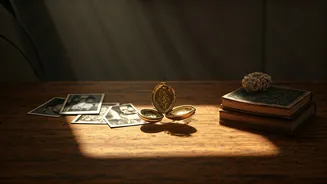
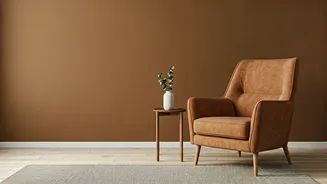
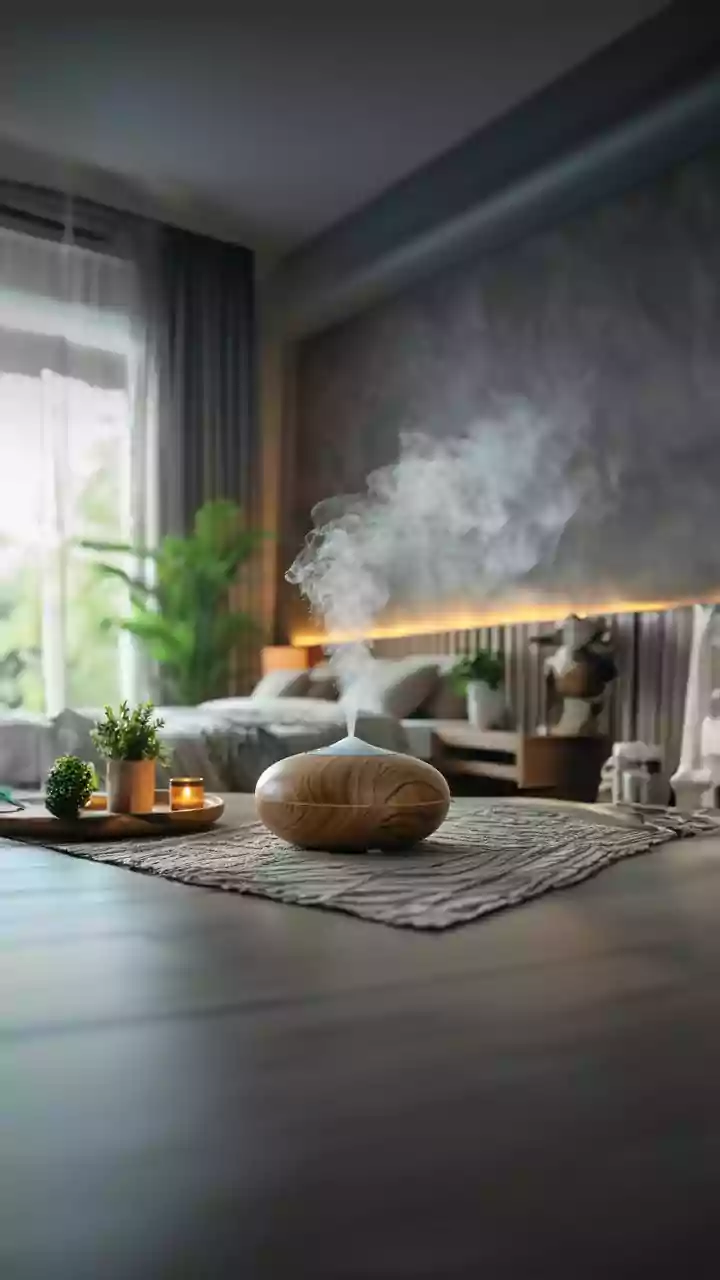
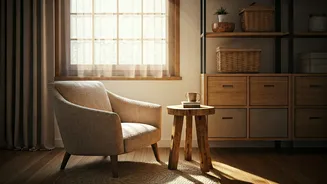
So, what does 'adult' design look like now? It’s not about being boring or old-fashioned. Instead, it’s a confident turn toward authenticity and comfort. This new approach prioritizes creating a space that feels good over one that simply looks good to others. Think less about open-concept emptiness and more about creating cozy, functional zones—a reading nook with a beloved armchair, a kitchen designed for messy cooking, a living room filled with mismatched but meaningful objects. It’s about investing in quality pieces that will last, whether that’s a well-made sofa or a vintage rug that tells a story. This aesthetic embraces the patina of life: the scuffs on a wooden table, the stack of books by the bed, the art that was bought on a memorable trip. It’s a home that reflects a life lived, not a catalog staged.
Why We're Craving Quiet Comfort
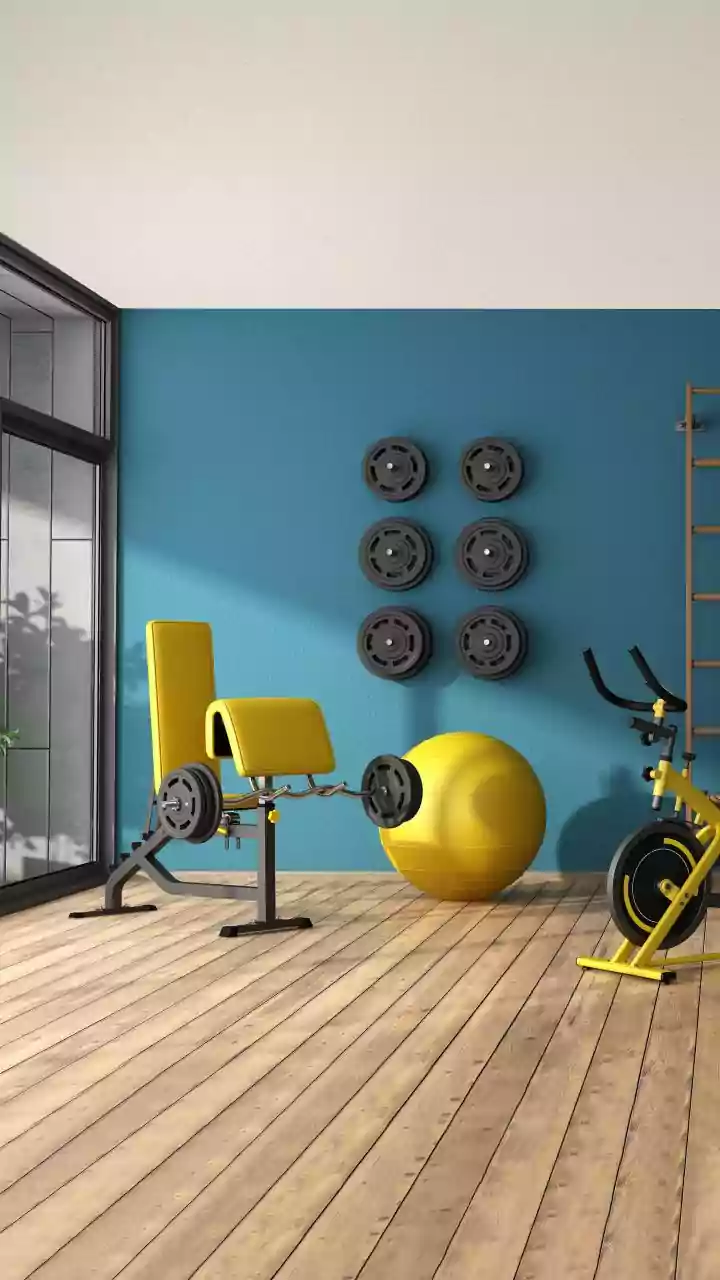
This shift isn't happening in a vacuum. Several cultural forces are pushing us to reclaim our homes as private retreats. The pandemic was a major catalyst, forcing us to spend unprecedented time within our four walls and confront how well (or poorly) they actually served us. The vast, echoey great room lost its appeal when it had to function as an office, school, and gym simultaneously. Furthermore, a growing weariness with the endless performance cycle of social media has many craving privacy and authenticity. Combined with economic uncertainty, which encourages more thoughtful, long-term purchases over fleeting trends, the appeal of a showy, disposable home has waned. People are seeking a sense of permanence and security, and that starts with building a sanctuary that nurtures them, rather than a showroom that impresses strangers.
From 'Aspirational' to Personal
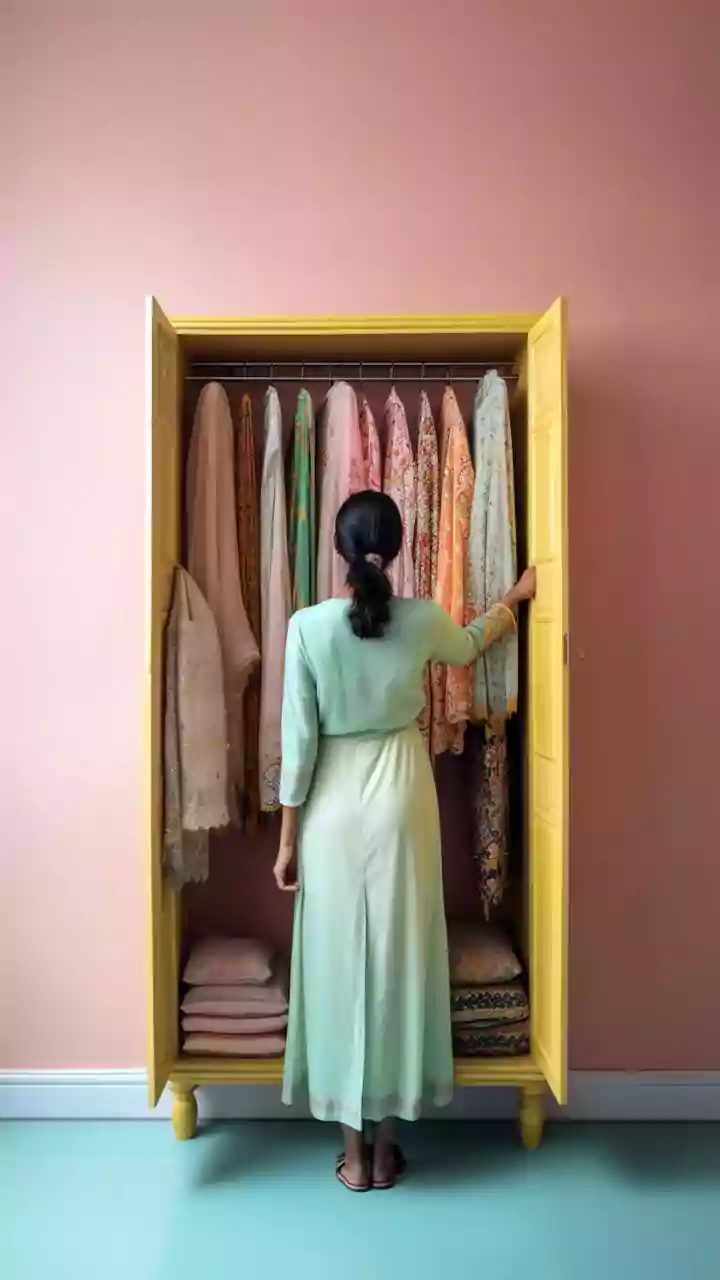
The core of this movement is a rejection of aspirational living as defined by influencers and brands. Instead of trying to replicate a look seen on Pinterest, the 'adult' approach is to cultivate a style that is deeply personal. It’s about trusting your own taste, even if it’s quirky or out of step with the mainstream. It’s the confidence to hang your kid’s messy painting next to a piece of fine art, to choose a comfortable, slightly-too-large sofa in a bold color because you love it, or to fill your shelves with tchotchkes that hold memories instead of minimalist, color-coordinated objects. This home isn’t perfect; it’s a living, breathing space that evolves with you. It’s a quiet declaration that your home is for you and your loved ones first—and for everyone else, a distant second, if at all.