

The Allure of Understated
Imagine a Himalayan town where the loudest sound is the rushing river, not a cacophony of car horns. Picture a place where the main attraction isn’t a theme park or a crowded market, but the deodar-scented air and the view of snow-capped peaks from your
window. This is the promise of Harsil. Located in the state of Uttarakhand, often called “Devbhumi” (Land of the Gods), Harsil is the antithesis of a commercialized hill station. You won’t find sprawling mega-resorts, chain restaurants, or a frantic checklist of “must-see” attractions. Its currency is tranquility. The 'show-off energy' common in more famous destinations like Shimla or Manali—with their bustling main streets and high-end boutiques—is refreshingly absent here. Instead, Harsil offers an invitation to slow down, to observe, and to simply be present.
Where Nature Is the Headliner
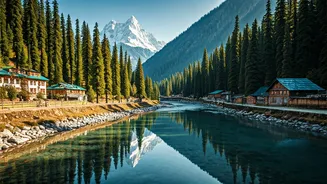
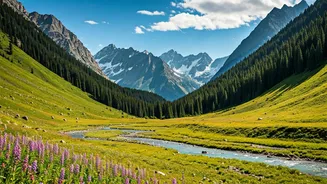
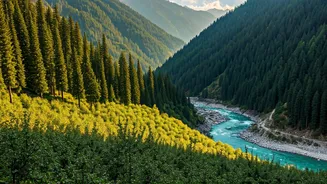
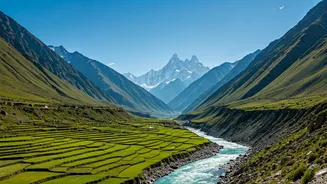
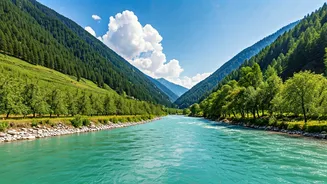
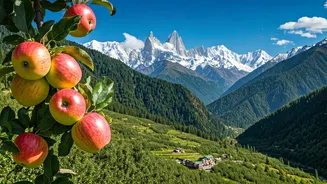
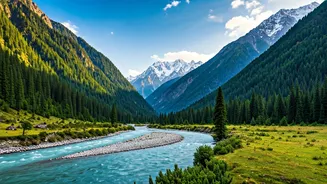
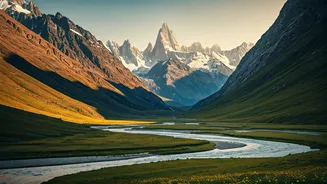
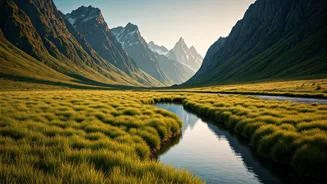
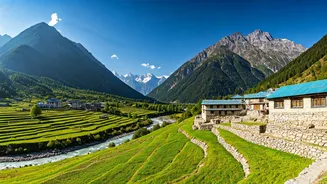
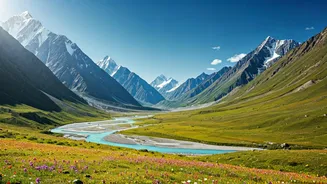
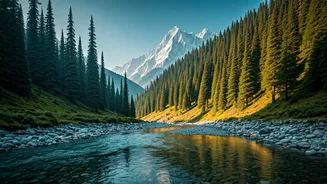
The heart of Harsil is its pristine natural setting. The village is nestled on the banks of the Bhagirathi River, whose turquoise waters, originating from the nearby Gangotri Glacier, slice through the valley with powerful grace. The valley itself is a lush expanse of pine and deodar forests, with apple orchards that burst into life with blossoms in the spring and fruit in late summer. This is a landscape that doesn’t need embellishment. The daily routine for a visitor might involve a simple walk along the river, a hike into the surrounding forests, or finding a quiet spot to watch the sun cast its changing light on the peaks of the Bandarpunch mountain range. It’s a place that reminds you that sometimes, the most profound travel experiences come from doing very little at all.
A Different Kind of Itinerary
So, what do you do in a place defined by its quietness? You embrace its pace. Activities in Harsil are gentle and immersive. You can explore the small, charming village with its traditional wooden houses. You can visit the historic Laxminarayan Temple, a simple stone structure that feels deeply integrated into the landscape. A short drive or a beautiful walk takes you to Mukhba, the winter home of the idol of the goddess Ganga from the famous Gangotri temple. This gives visitors a glimpse into the region’s profound spiritual significance without the overwhelming crowds of the main pilgrimage sites. The focus is on connection—with nature, with the local culture, and with yourself. It’s about trading a packed itinerary for a full spirit.
Gateway to Deeper Journeys
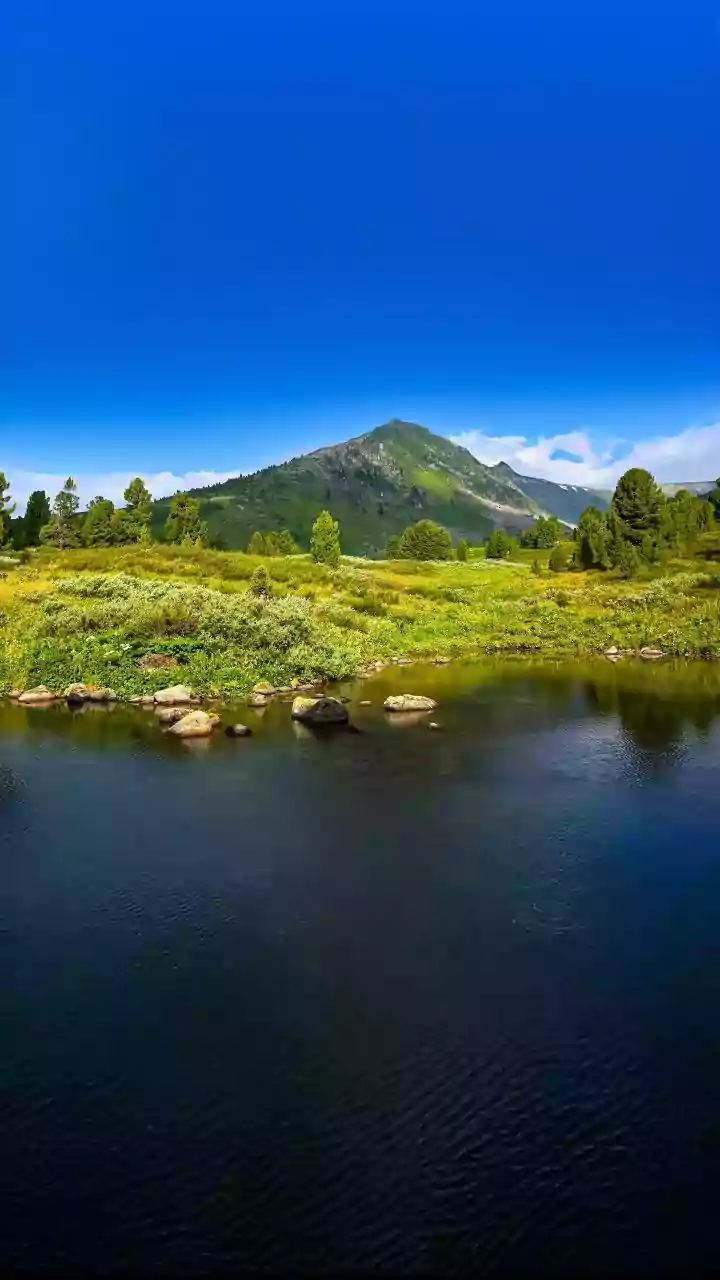
While Harsil is a destination in its own right, it also serves as a serene basecamp for more adventurous or spiritual pursuits. It lies on the route to Gangotri, one of the four sacred Char Dham pilgrimage sites for Hindus. Staying in Harsil allows for acclimatization before heading to the higher altitudes of Gangotri, which is about 15 miles away. For trekkers, the area is a portal to numerous trails, from short day hikes to more challenging multi-day expeditions. You can trek to the Sattal lakes, a series of seven interconnected high-altitude lakes, or explore other hidden valleys. Harsil provides a peaceful starting and ending point, a place to prepare and a place to reflect on the journey.
The Practical Side of Quiet
Reaching a place without show-off energy often requires a bit more intention. The journey to Harsil is part of the experience. The nearest airport is in Dehradun (Jolly Grant Airport), from which it’s a long but spectacular 8-9 hour drive. The roads wind through mountains, follow rivers, and pass through small towns, building anticipation with every mile. The best time to visit is from April to June and then from September to November, avoiding the heavy monsoon rains and the harsh winter when the area can be cut off by snow. Accommodations are mostly small hotels, guesthouses, and homestays, which further enhances the authentic, local feel of a trip here. Don't expect five-star luxury, but do expect warmth, hospitality, and unparalleled views.