


More Than a Hotel, Not Quite a Zoo
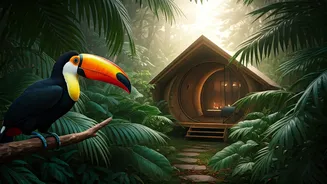
So, what exactly is a “boutique wildlife stay”? It’s a travel category that defies easy definition but is instantly recognizable. Think less of a chain hotel near a national park and more of an experience woven into a natural habitat. These are intimate,
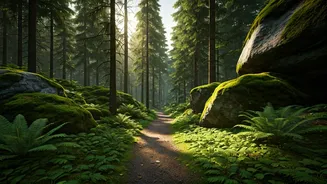
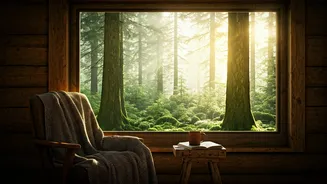
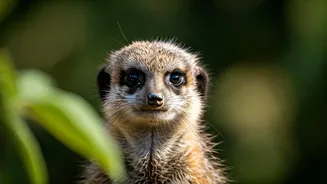
design-forward accommodations—like A-frame cabins, luxury yurts, or small-scale lodges—that prioritize proximity to and ethical interaction with animals. It’s not about seeing wildlife from a tour bus; it's about coexisting, even for a night. The key differentiators are scale and soul. Unlike massive resorts, these stays are small, often independently owned, and deeply connected to their location. And unlike a zoo, the focus is on observing animals in a more natural, less captive setting, often with a strong conservation or sanctuary component.
The 'Values-First' Vacation
This trend isn't just about cool photo ops; it’s a direct reflection of Gen Z’s core values. This is a generation that prioritizes experiences over possessions and seeks authenticity in a digitally saturated world. A sterile hotel room is an interchangeable commodity. A night in a fire-lookout tower bordering a wolf sanctuary is a story. Furthermore, Gen Z travelers are acutely aware of their environmental and social impact. A 2023 report from the student-travel marketplace StudentUniverse found that over 70% of Gen Z students consider a travel company's sustainability practices when booking. Boutique wildlife stays tap directly into this desire. Many are built on principles of eco-consciousness, supporting local conservation efforts, or operating as non-profits where the cost of a stay directly funds animal care. It’s a vacation that feels good, not just looks good.
Instagrammable, But Make It Ethical
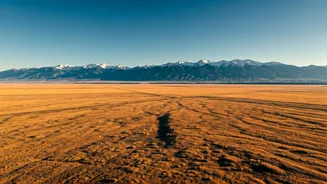
Let’s be honest: aesthetics matter. The visual appeal of these locations is a massive part of the hook. Gen Z, as digital natives, curate their lives online, and their travel choices are no exception. These boutique stays offer a unique, non-replicable backdrop that stands out on a feed crowded with Eiffel Tower and beach-feet photos. It’s the rustic-chic cabin, the minimalist desert dome, or the impossibly cute animal encounter. However, there’s a crucial distinction. The appeal isn’t just beauty, but beautiful purpose. The photo of you feeding a giraffe at Kenya's Giraffe Manor—the OG of this trend—is compelling not just because it’s a wild image, but because the manor is part of the African Fund for Endangered Wildlife. The content feels earned and meaningful, a far cry from the controversial tourist traps built on animal exploitation. It allows travelers to be storytellers of a different kind—ones who advocate for conservation through their camera roll.
From Glamping to Conservation Cabins
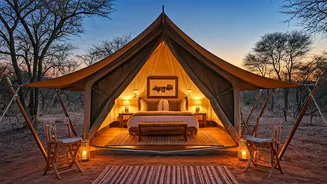
While exotic locales like Kenya and Costa Rica are hotspots, this trend is booming right here in the U.S. High-end “glamping” companies like Under Canvas and AutoCamp place luxury tents and Airstreams at the doorstep of national parks, offering a comfortable way to be immersed in nature. In Texas, you can stay at a sanctuary for rescued elephants. In Colorado, there are ranches that double as wild horse sanctuaries. Getaway’s network of tiny cabins is built on the premise of disconnecting in nature, often with local wildlife as your only neighbors. These places provide an escape from the grind that feels both adventurous and accessible. They prove you don't need a passport to have a transformative travel experience; you just need to find a place where the barrier between your lodging and the wild world is beautifully, and intentionally, blurred.