
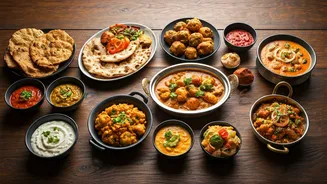


Beyond the Lunch Buffet
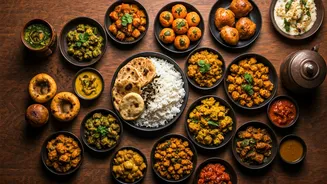
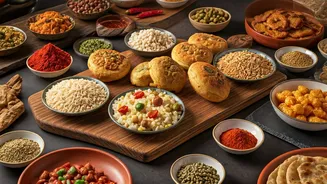
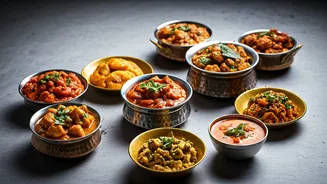
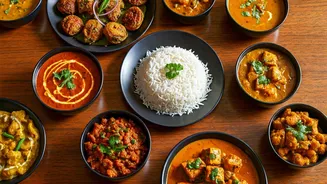
The story of Indian food in the U.S. has long been defined by a handful of North Indian staples, served up in all-you-can-eat lunch buffets that prized quantity over regional specificity. While comforting and familiar, this model often flattened a cuisine
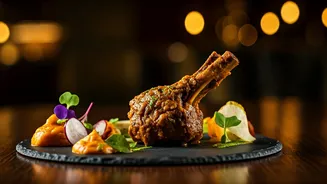
of staggering diversity into a few creamy, tomato-based curries. Now, a new wave of Indian-American and immigrant chefs is challenging that stereotype. Armed with classical training, deep family knowledge, and a desire to tell a richer story, they are looking backward to move forward. They aren't inventing new dishes from scratch; instead, they are meticulously researching, refining, and re-presenting the classics. This isn’t about fusion. It’s about restoration—finding the soul of a dish and letting it shine with contemporary technique and exceptional ingredients.
The Humble Dal, Elevated
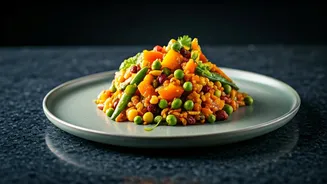
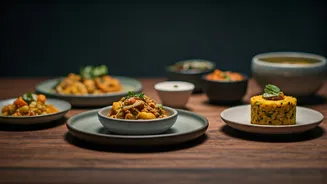
Take dal, the humble lentil stew that is a daily staple in millions of Indian households. In its traditional form, it’s the ultimate comfort food—nutritious, flavorful, and deeply satisfying. In the hands of a modern chef, it becomes a star. Instead of generic lentils, a kitchen might source heirloom varieties from specific regions of India. The ghee used for the final tempering, or ‘tadka,’ might be churned in-house. Spices are freshly ground, and the final flourish could be anything from a drizzle of truffle oil to a crispy fried lotus root. At celebrated restaurants like New York's Dhamaka, the 'dal' isn't just one dish; it represents a philosophy. Their Maa ki Dal, slow-cooked for hours, showcases a depth and smokiness that transforms the everyday into the extraordinary. The dish remains recognizable, but its potential is fully unlocked.
Street Food Gets a Glow-Up
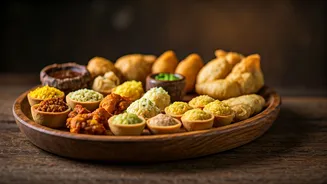
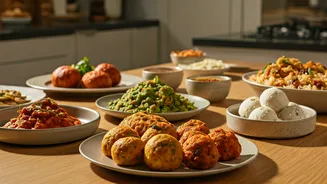
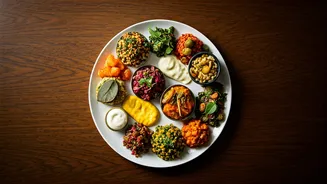
Indian street food, known as ‘chaat,’ is an explosion of texture and flavor—crunchy, tangy, sweet, and spicy all at once. Traditionally, it’s a delightfully messy, hands-on affair. But today’s chefs are giving these chaotic classics a fine-dining makeover without sacrificing their spirit. Golgappa (or pani puri), the iconic hollow crisps filled with spiced potatoes and tangy water, are a prime example. Instead of one standard tamarind water, you might be presented with a flight of different ‘panis’—one infused with cilantro and mint, another with pineapple, a third with tart kokum. The presentation is elevated from a street-side stall to an elegant platter, turning a quick snack into an interactive first course. This “polish” makes the dish more approachable for newcomers while offering a delightful surprise for those who grew up with it.
Biryani, Honored and Reimagined
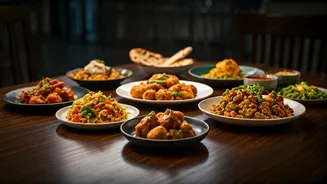
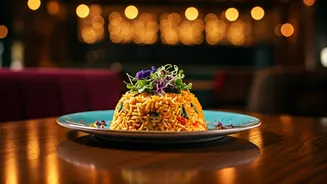
Few dishes are as revered or as technically demanding as biryani. This layered rice-and-meat masterpiece is a celebration in itself, with every family and region guarding its own secret recipe. The modern approach honors this complexity. Rather than simplifying it, chefs are doubling down on technique. They focus on the ‘dum’ method, where the pot is sealed with dough to trap steam, ensuring every grain of basmati rice is perfectly fluffy and infused with saffron and spice. The polish comes in the details. A chef might use high-quality, pasture-raised lamb, or substitute a local American ingredient that complements the traditional spice blend. The final presentation might involve deconstructing the elements or serving it with artisanal raita. It’s a testament to the fact that you can innovate while paying deep respect to tradition.
A Culinary Coming of Age
So why is this happening now? It’s a confluence of factors. A generation of Indian-American chefs, who grew up between two cultures, are now leading their own kitchens and are eager to present the food of their heritage with pride and sophistication. They are rejecting the pressure to water down flavors for a presumed Western palate. At the same time, American diners are more curious and adventurous than ever, seeking authenticity and regional specificity. They no longer want just “curry”; they want to know if it’s a Keralan fish moilee or a Rajasthani laal maas. This movement is a declaration that Indian food doesn't need to be Anglicized to be appreciated; it simply needs to be presented with the care, artistry, and respect it has always deserved.