
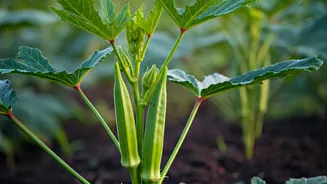
Understanding the ‘Pre-Monsoon’ Mindset
While the term “pre-monsoon” conjures images of South Asia’s dramatic seasonal shift, the principle is universal for American gardeners: it’s all about timing. Think of it as the sweet spot in late spring or early summer, after your region’s last frost
but before the peak heat and heavy thunderstorms of July and August set in. In the U.S., this translates to planting when the soil is reliably warm but before the weather becomes oppressively hot and humid. This timing gives the okra plant a crucial head start. It can establish a strong, deep root system in moderately warm soil without the stress of scorching temperatures or the waterlogged conditions that can lead to root rot during summer downpours. By the time the real heat arrives, your plants will be robust, mature, and ready to thrive rather than struggle.
Why Okra is a Garden MVP
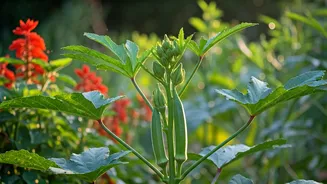
Okra is, simply put, a smart choice for any sunny American garden, especially in warmer climates. It’s famously resilient, practically shrugging off the kind of heat that makes other vegetables wilt and wither. Once established, it’s remarkably drought-tolerant, making it a sustainable option during dry spells. But its toughness doesn’t come at the expense of productivity. A few well-tended plants can produce a continuous supply of tender pods all summer long, often until the first frost. This prolific nature makes it a high-value plant for home gardeners looking to maximize their yield. Furthermore, okra is relatively untroubled by pests compared to other common garden vegetables, reducing the need for constant intervention. From its beautiful, hibiscus-like flowers to its impressive output, okra offers a fantastic return on investment for very little fuss.
Getting the Timing Perfect
The single most important factor for planting okra is soil temperature. Okra seeds will simply refuse to germinate, or will rot in the ground, if the soil is too cool. You’re looking for a consistent soil temperature of at least 65°F, but 70-75°F is the ideal range for rapid germination and growth. Don’t rely on the calendar alone; use a soil thermometer or a simple rule of thumb: if your nights are consistently staying above 60°F, your soil is likely ready. For gardeners in the South (USDA zones 8-10), this window might open as early as April. In the Midwest and Northeast (zones 5-7), you’ll likely be waiting until late May or early June. Planting in this “pre-summer” window ensures your seeds sprout quickly and the young plants have several weeks of pleasant weather to get established before the stressful mid-summer peak.
Your Planting Playbook
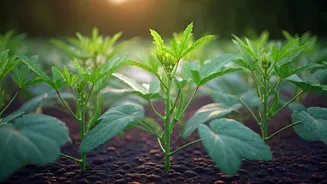
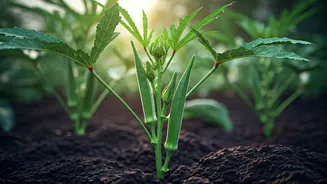
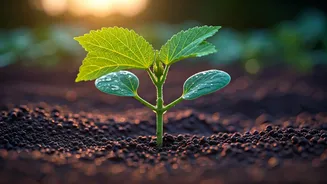
Ready to get started? First, give your seeds a head start by soaking them in warm water overnight. This helps soften the hard seed coat and speeds up germination. Next, choose the sunniest spot in your garden; okra demands at least six to eight hours of direct sunlight per day. It’s not picky about soil, but it performs best in well-drained soil rich in organic matter. Work in some compost before planting. Plant the seeds about half an inch to one inch deep. For spacing, give them room to breathe. Planting them about 12 to 18 inches apart in rows that are three feet apart will ensure good air circulation, which helps prevent fungal diseases in humid weather. Water the seeds in well after planting and keep the soil lightly moist until they sprout, which usually takes five to ten days in warm soil. Don't overwater, as this can cause the seeds to rot before they have a chance to grow.
From Flower to Harvest
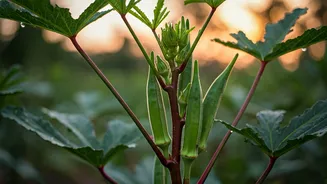
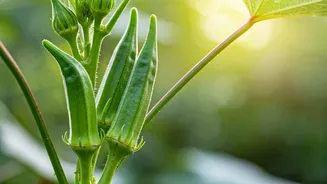
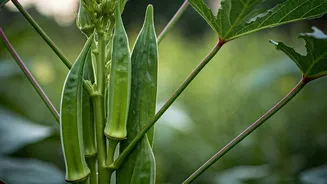
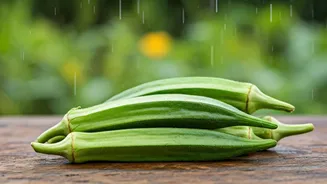
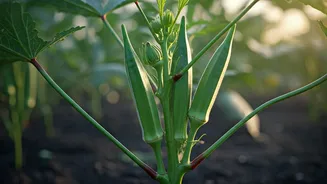
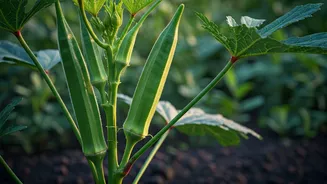
One of the joys of growing okra is watching the process unfold. Within weeks, you'll see large, beautiful, pale-yellow flowers appear—a clear sign that pods are on the way. The key to delicious, tender okra is harvesting it small. Pods are at their best when they are just two to four inches long. Any larger, and they can become tough and woody. Check your plants every day, as pods can grow from nothing to oversized in just 24 hours during peak season. Use a sharp knife or pruning shears to cut the stem just above the pod’s cap. Be sure to wear gloves and a long-sleeved shirt when harvesting, as the leaves and stems of many varieties have small spines that can irritate the skin. The more you harvest, the more the plant will produce, giving you a steady stream of perfect pods for your favorite recipes.