


The Allure and Agony of the Crash Diet
We’ve all seen the headlines promising rapid weight loss in days. The allure of the crash diet—drastically cutting calories or eliminating entire food groups—is powerful, especially when a big event is looming. It feels like a decisive, aggressive solution
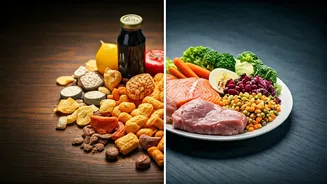
to a stubborn problem. But this approach wages war on your body, not just your fat. When you severely restrict calories, your body goes into survival mode. Your metabolism, the engine that burns calories, slows down to conserve energy. This makes future weight loss harder. Worse, your body doesn't just burn fat; it often sacrifices precious, metabolically active muscle tissue for fuel. This is why people on crash diets often feel weak, tired, and irritable. The final insult? The 'yo-yo effect.' Once the diet inevitably ends, the weight comes back, often with a little extra, because your slowed metabolism can’t handle a return to normal eating.
Defining the 'Smart Plate'
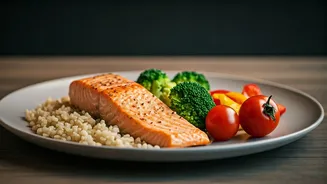
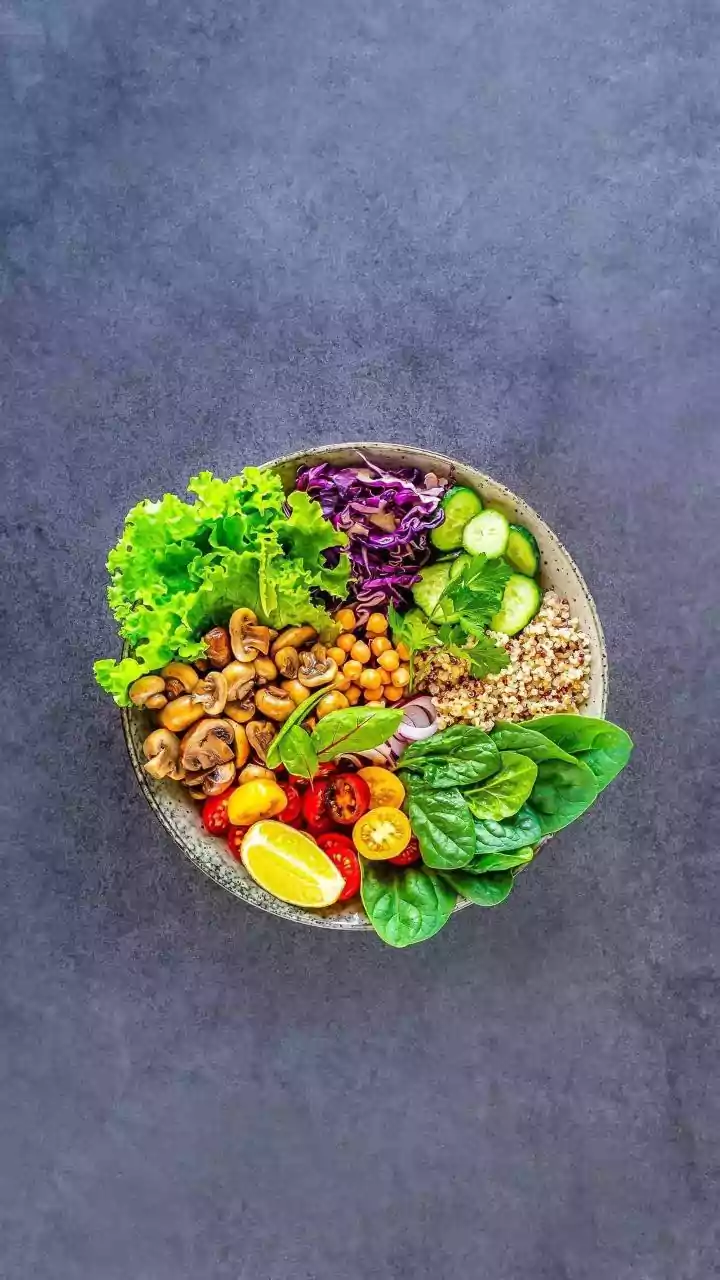
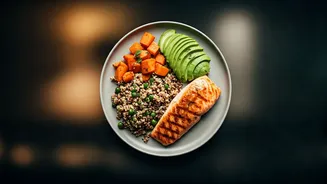
So, if crash diets are a trap, what’s the alternative? Enter the 'smart plate.' This isn't a diet with a fancy name; it’s a sustainable framework for eating. Think of it less like a rigid set of rules and more like a helpful visual guide. Imagine your plate divided into sections. The most widely accepted model suggests filling half your plate with non-starchy vegetables and fruits. These are high in fiber, water, vitamins, and minerals, but low in calories. A quarter of your plate should be dedicated to lean protein—think chicken, fish, beans, or tofu. Protein is crucial for building and maintaining muscle, and it keeps you feeling full longer. The final quarter is for high-quality carbohydrates, preferably whole grains like quinoa, brown rice, or whole-wheat bread, which provide sustained energy without the sugar crash.
The Power of Balance and Satiety
The fundamental difference between a crash diet and a smart plate lies in their relationship with hunger. A crash diet is a constant battle against it. A smart plate works with your body's natural signals to manage it. The combination of protein and fiber is the key. Fiber slows down digestion, while protein is the most satiating of all macronutrients. Together, they regulate your blood sugar, preventing the sharp spikes and crashes that lead to cravings, energy slumps, and mindless snacking. Instead of feeling deprived and constantly thinking about your next meal (or the meal you’re not allowed to have), a balanced plate leaves you feeling satisfied and energized, allowing you to get on with your day without being controlled by hunger.
More Than Just Macros
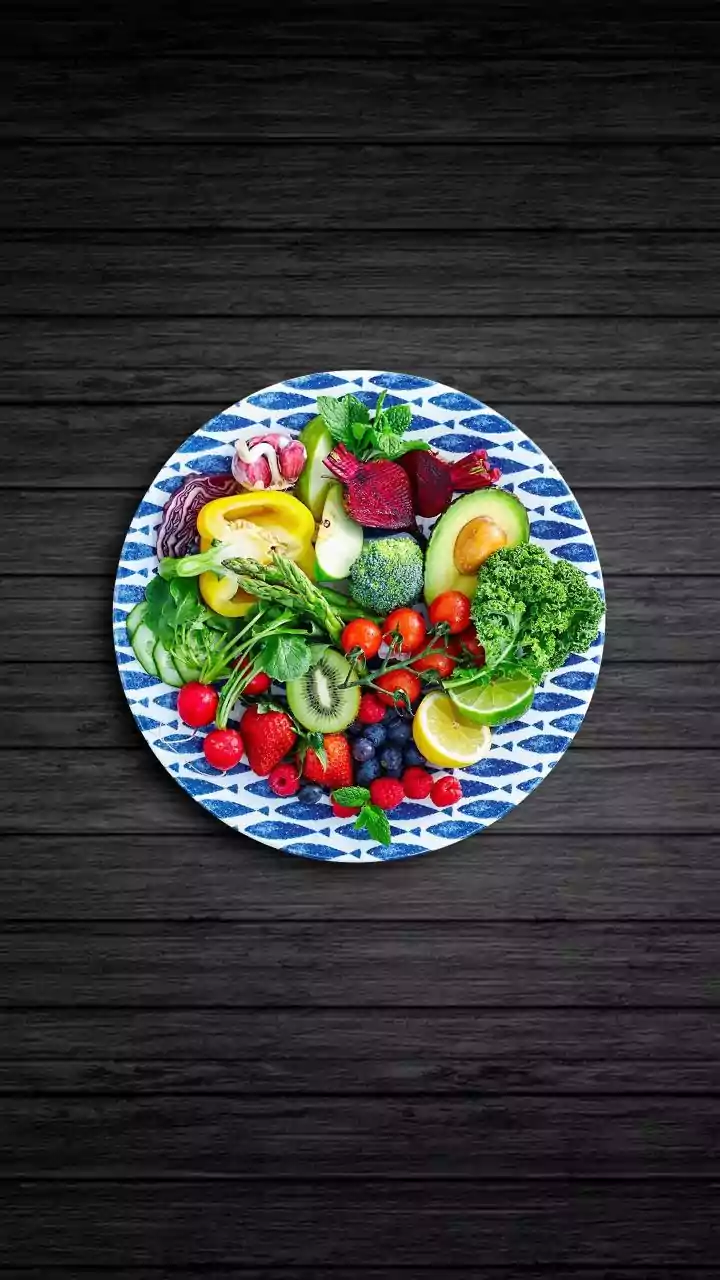
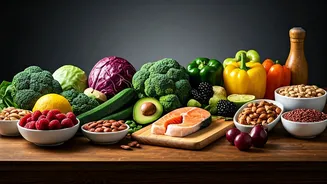
While protein and fiber are the workhorses, a truly smart plate is also rich in color and variety. Eating a 'rainbow' of fruits and vegetables isn’t just a cute saying; it’s sound nutritional advice. Different colors signify the presence of different phytonutrients and antioxidants—powerful compounds that protect your cells from damage, reduce inflammation, and support overall health. A crash diet that eliminates entire food groups—like fruits because of their sugar, or all carbs—robs your body of these essential micronutrients. This can lead to a dull complexion, brittle hair, and a weakened immune system. A smart plate, by contrast, is a feast for the eyes and a nutrient-dense powerhouse that builds health from the inside out.
Building a Healthy Mindset
Perhaps the most important advantage of the smart plate approach is psychological. Crash diets foster an unhealthy, all-or-nothing mindset. Foods are labeled 'good' or 'bad,' and a single slip-up can lead to feelings of guilt and failure, often spiraling into giving up entirely. The smart plate method is about consistency, not perfection. It’s a flexible approach that allows for occasional indulgences without derailing your progress. It teaches portion control and mindful eating rather than outright deprivation. This builds a positive, sustainable relationship with food where you are in control, not the diet. It's a long-term strategy for well-being, not a short-term fix for the scale.