




The Heart of the Festival
First, a little context. Mithuna Sankranti marks the sun’s celestial journey into the zodiac sign of Mithuna, or Gemini. Occurring in mid-June, it heralds the arrival of the monsoon season in India, a crucial time for an agrarian society. It’s a moment
to honor Bhudevi, or Mother Earth, giving her a symbolic rest before the intense period of sowing and cultivation begins. In the eastern state of Odisha, the festival is a multi-day extravaganza known as Raja Parba, a vibrant celebration of womanhood and the earth's fertility. Unmarried girls are pampered, new clothes are worn, and special swings are set up for communal fun. It’s a festival deeply rooted in nature, community, and the rhythms of the land.
Tradition on a Plate
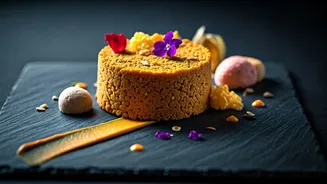
Like any great celebration, Mithuna Sankranti has its signature dishes. The undisputed star is Poda Pitha, a slow-cooked cake that embodies the festival's rustic soul. Traditionally, a batter of soaked rice, coconut, jaggery (unrefined cane sugar), and spices like cardamom and ginger is wrapped in banana or sal leaves and slow-baked for hours in an earthen stove, often buried in embers overnight. The result is a dense, moist cake with a smoky, caramelized crust and a fragrant, sweet interior. It’s not just food; it’s a culinary heirloom, a taste of patience and tradition passed down through generations. Other specialties might include savory lentil cakes and sweets made from seasonal fruits, all prepared without tilling the earth, in honor of its period of rest.
The Modern Kitchen Makeover
Here’s where the blend begins. For the Indian diaspora in the United States, or for busy urban families in India, recreating an overnight ember-baked cake isn't exactly practical. This is where innovation, driven by necessity and creativity, comes in. The traditional Poda Pitha is reimagined for the modern kitchen. The earthen stove is replaced by a conventional oven, a pressure cooker, or even an Instant Pot, which can dramatically cut down the cooking time while still yielding a moist, flavorful result. Some home cooks use cake pans lined with parchment paper when banana leaves are hard to find at the local grocery store. The core ingredients may remain, but the process is streamlined to fit a contemporary lifestyle.
A New Generation's Feast
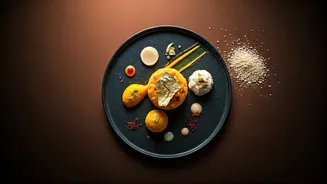
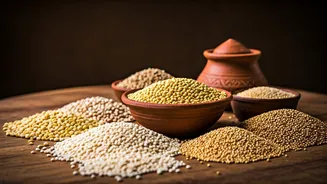
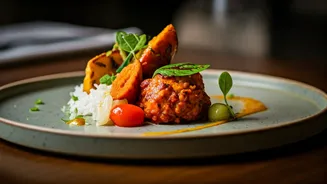
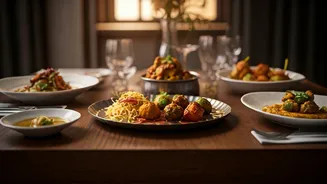
The evolution doesn’t stop at technique. It extends to ingredients and presentation. While a grandmother’s recipe might call for a specific type of regional rice, a second-generation Indian-American might experiment with a blend of rice flour and almond flour for a different texture. Jaggery might be swapped for coconut sugar or maple syrup, reflecting a modern wellness-conscious pantry. The feast itself becomes a hybrid affair. The traditional Poda Pitha might be served, but perhaps cut into perfect, Instagram-ready wedges and drizzled with a salted caramel sauce. It might be presented alongside a quinoa salad or grilled vegetables, creating a menu that respects the old while embracing the new. This isn't about replacing tradition, but about expanding the culinary conversation to include global palates and personal tastes.
More Than Just Food
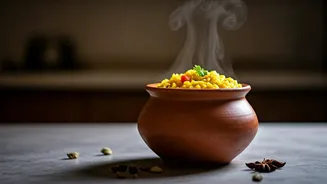
This blending of Mithuna Sankranti with modern feasts is more than a culinary trend; it's a story of cultural survival and adaptation. For many, these modernizations are a bridge. They allow younger generations, who may not have a direct connection to the agricultural roots of the festival, to participate in and appreciate their heritage in a way that feels relevant to them. By making these traditions more accessible, families ensure they aren't lost. The spirit of the festival—honoring the earth, celebrating community, and sharing delicious food—remains intact, even if the cooking vessel has changed from a clay pot to a stainless-steel multicooker. It’s proof that tradition isn’t a rigid artifact to be preserved in a museum, but a living, breathing thing that evolves with the people who practice it.