







The Four-Legged Family Member
The most significant driver of this trend has little to do with travel and everything to do with a fundamental shift in our relationship with pets. For millions of Americans, particularly millennials and Gen Z, a dog or cat isn't just a pet; it's a non-negotiable
member of the family. The term 'pet parent' has moved from a cutesy affectation to a genuine identity. This 'humanization' of pets means major life activities, like vacations, are being re-evaluated. The guilt and logistical hassle of leaving a beloved 'fur baby' in a kennel or with a sitter are increasingly outweighing the inconvenience of traveling with them. Data from the American Pet Products Association consistently shows that a majority of owners consider their pets to be full-fledged family members, and their spending habits—on premium food, wellness products, and, yes, travel—reflect this deep emotional bond.
The Urban Squeeze Factor
This movement is particularly pronounced among urban families, and for a good reason: the nature of city life. Living in a high-rise apartment or a townhouse with limited-to-no private green space creates a unique pressure. A weekend getaway isn't just a break for the humans; it's a desperately needed opportunity for a city dog to run free in the woods, splash in a lake, or simply sniff something other than a fire hydrant and a patch of sidewalk grass. The confinement of urban living makes a shared escape feel more like a necessity than a luxury. These short, pet-inclusive breaks—to a mountain cabin, a coastal rental, or a boutique hotel near a state park—are becoming a vital release valve for the entire family unit, helping to alleviate the stress of compact city living for people and pets alike.
How the Industry Is Cashing In
The travel and hospitality industry, ever responsive to consumer demand, has taken notice. 'Pet-friendly' has evolved from a grudging policy of tolerance to an enthusiastic marketing strategy. Major hotel chains like Kimpton and Hilton have long been leaders, offering everything from custom pet beds and welcome treats to dedicated 'directors of pet relations' and complimentary 'yappy hours.' But the boom is most visible in the vacation rental market. Platforms like Airbnb and Vrbo report that 'pet-friendly' is one of their most-used search filters. Property owners are finding that allowing pets not only opens them up to a larger pool of potential renters but also allows them to command higher rates or cleaning fees, which travelers are more than willing to pay. This isn't just about accommodation; wineries, breweries, outdoor shopping centers, and even some restaurants are embracing well-behaved pets as a way to attract a loyal and lucrative demographic.
Redefining the 'Getaway'
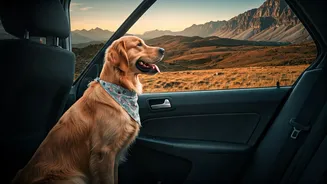
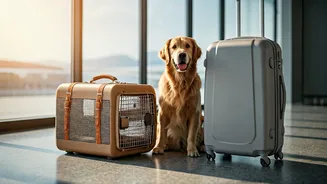
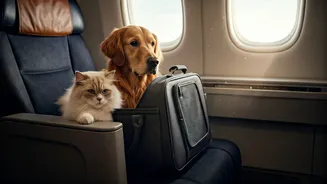
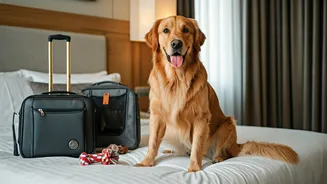
Ultimately, the rise of pet-friendly breaks reflects a broader redefinition of what a 'getaway' is for. It’s less about escaping your life and more about enhancing it. For urban families, a successful break means bringing all the most important parts of their life with them. The logistical challenges—finding pet-friendly transportation, packing extra supplies, planning activities around a pet's needs—are seen as a small price to pay for the joy of shared experience. The photos flooding social media aren't just of scenic overlooks and fancy dinners; they're of golden retrievers leaping into waves and tired terriers snoozing by a fireplace in a rental cabin. It signals a holistic approach to leisure where the goal is to create memories with the *entire* family, no matter how many legs they have.