





What Exactly Is a Study Pod?
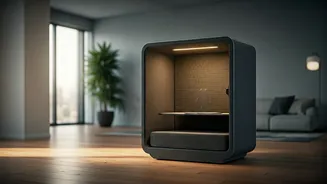
At its core, a study pod is a small, self-contained structure designed to create a private space within a larger room. Think of it as a phone booth for the modern era, but built for focused work, studying, or just a moment of peace. These pods are popping
up online in various forms, from high-end, glass-walled cubes that look like miniature offices to softer, fabric-covered enclosures that can be assembled and collapsed. The “foldaway” aspect is key to their appeal, promising a solution that doesn't permanently claim a corner of your home. They typically come equipped with essentials like a small desk, lighting, ventilation, and power outlets, creating a plug-and-play haven for concentration.
A Quiet Rebellion Against Modern Life
The rise of the study pod isn't happening in a vacuum. It’s a direct response to several converging trends in American life. First, the widespread shift to remote and hybrid work has permanently blurred the lines between office and home. The kitchen table, once a temporary solution, became a source of ergonomic pain and constant distraction. Second, the long-reigning dominance of open-concept floor plans means many homes lack the doors needed to create separation. When a work call clashes with a partner’s podcast and a child’s online class in the same shared space, the appeal of a personal escape pod becomes crystal clear. These pods represent a rebellion against the noise and a desperate grab for a “third space”—a place for focus that is neither the bedroom nor the living room couch.
Decoding the 'Advanced Soundproofing' Claim
Here's where we need to manage expectations. The term “soundproofing” gets thrown around a lot, but creating a truly soundproof space—one that blocks all external noise—is an incredibly complex and expensive architectural feat. Most of these trending consumer pods don't offer true soundproofing. Instead, they provide 'sound dampening' or 'acoustic privacy.' They are typically lined with acoustic felt, foam, or other absorbent materials that reduce echo and muffle ambient noise. The effect is less like being in a silent recording studio and more like wearing a pair of high-quality, noise-canceling headphones for your entire body. They excel at providing speech privacy, ensuring your confidential work calls aren't broadcast to the entire household, and dampening distracting background chatter to a manageable hum.
Are They Practical for the Average Home?
The practicality of a study pod depends heavily on two factors: space and budget. While many are marketed as “foldaway,” they are far from pocket-sized. Even collapsible models require a significant footprint when assembled—typically around 4x4 feet or more—and need storage space when packed away. Rigid, more permanent pods are essentially small rooms and require careful planning. The price is another major consideration. The most basic, fabric-covered models can start in the high hundreds of dollars, while the sleeker, glass-and-steel versions seen in corporate offices can run into the thousands, or even tens of thousands, of dollars. For many, the viral images represent an aspirational fantasy, but a growing number of more accessible options are bringing the concept within reach for dedicated remote workers and students willing to invest in their focus.