
The Age of ‘Algorithmic’ Interiors
For the better part of a decade, a specific aesthetic has dominated mainstream home decor. Driven by big-box stores and amplified by social media, the look was clean, inoffensive, and, above all, reproducible. Think Scandinavian-inspired minimalism, modern
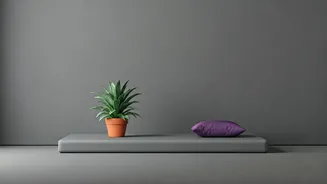
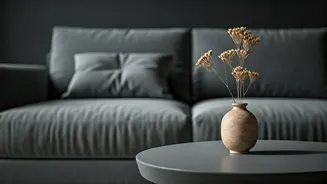
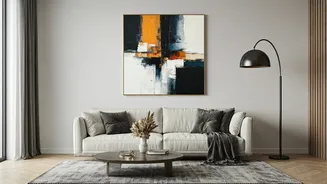
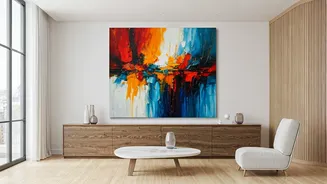
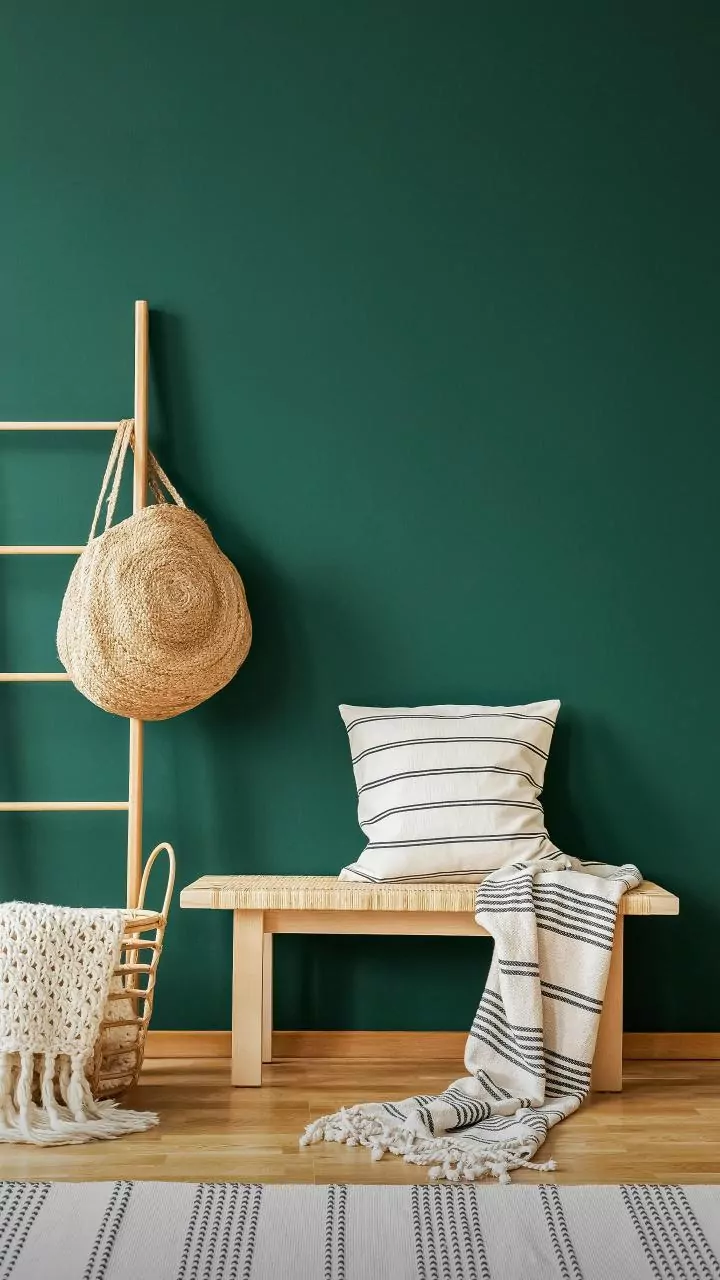
farmhouse chic, and a palette that rarely strayed from gray, beige, and white. This style, sometimes dubbed ‘millennial gray’ or ‘McMansion modern,’ wasn't necessarily bad; it was just everywhere. It offered an easy, low-risk formula for making a space look put-together without much effort. But affordability and accessibility came at a cost: personality. When everyone buys their furniture from the same handful of retailers, homes start to feel less like personal sanctuaries and more like staged showrooms. This aesthetic fatigue has created a powerful craving for something different—something with texture, history, and a human touch.
Enter the Imperfect and the Personal
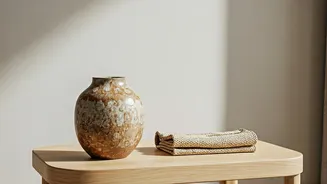
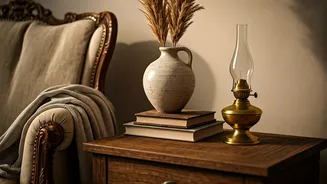
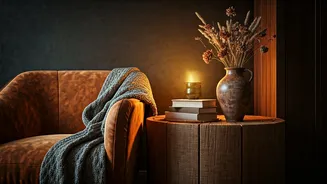
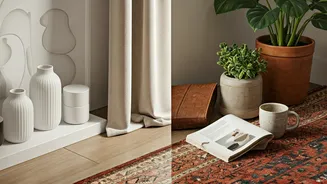
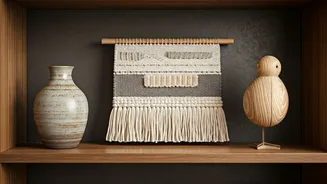
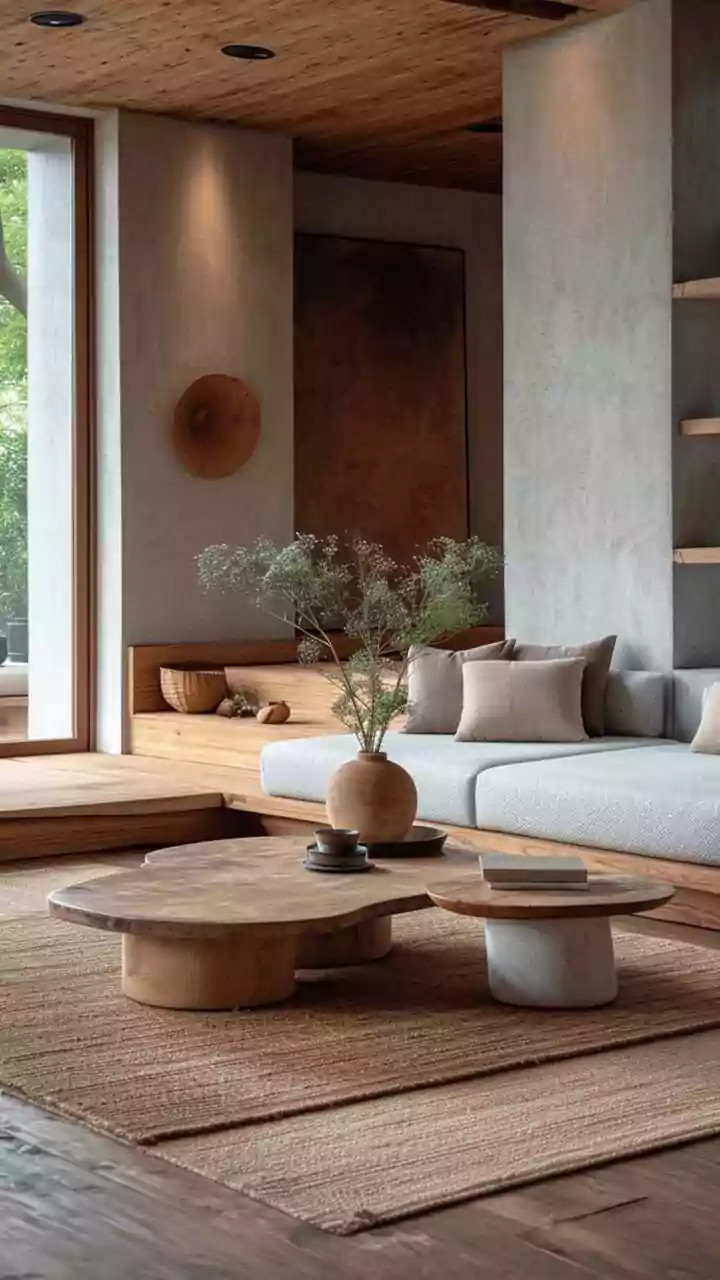
The antidote to this homogeneity is craft. We’re not talking about the dusty doilies of generations past, but a new wave of contemporary artisanship. It’s the hand-thrown ceramic mug that fits perfectly in your palm, the subtly irregular hand-woven pillow, the small-batch artist’s print that tells a story, or the reclaimed wood coffee table with its own unique history. These objects are celebrated not in spite of their imperfections, but because of them. Each subtle variation is proof of a human hand, a welcome contrast to the sterile perfection of a factory assembly line.
This shift prioritizes the story behind the object. Who made it? Where did the materials come from? Buying a piece of craft is an investment in a narrative. It transforms a simple consumer choice into an act of curation, allowing individuals to build a home that is a true reflection of their tastes, travels, and values.
Why Now? The Post-Pandemic Effect
While the appreciation for craft is nothing new, the current boom is fueled by distinctly modern forces. The COVID-19 pandemic was a major catalyst. Forced to spend unprecedented amounts of time within our own four walls, we began to see our homes not just as places to sleep, but as the central stage for our entire lives. The generic decor that was once ‘fine’ suddenly felt sterile and uninspiring. Our homes needed to be offices, gyms, and sanctuaries—and they needed to feel like *ours*.
Simultaneously, the digital marketplace evolved. Platforms like Etsy, Instagram, and even TikTok have made it easier than ever to discover and purchase directly from independent makers around the world. This direct-to-consumer connection demystifies the creative process and fosters a sense of relationship between buyer and artist, something impossible to find in the aisle of a superstore. The creator economy has essentially built a global, digital craft fair, open 24/7.
A Statement of Values, Not Just Style
Ultimately, choosing a handmade piece over a mass-produced one is more than just an aesthetic decision; it's a statement of values. It signals a move away from the disposable nature of ‘fast furniture’ towards a more sustainable, considered approach to consumption. Supporting a small-scale artisan means investing in an individual's livelihood and keeping traditional skills alive.
In a world saturated with digital noise and algorithm-driven trends, curating a home with unique, meaningful objects is a powerful act of identity formation. It’s a declaration that your personal space is too important to be outsourced to a catalog. This trend suggests a collective realization: the most beautiful homes aren’t the ones that look perfect, but the ones that feel personal. The goal is no longer a flawless interior, but an interesting one.