


So, What Exactly Is Kairi?
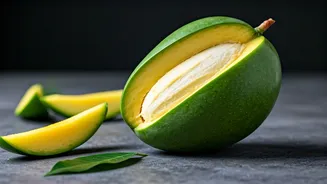
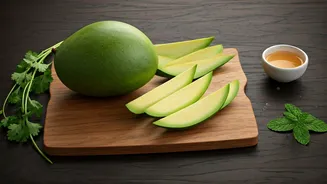
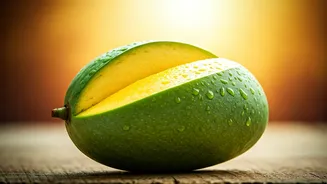
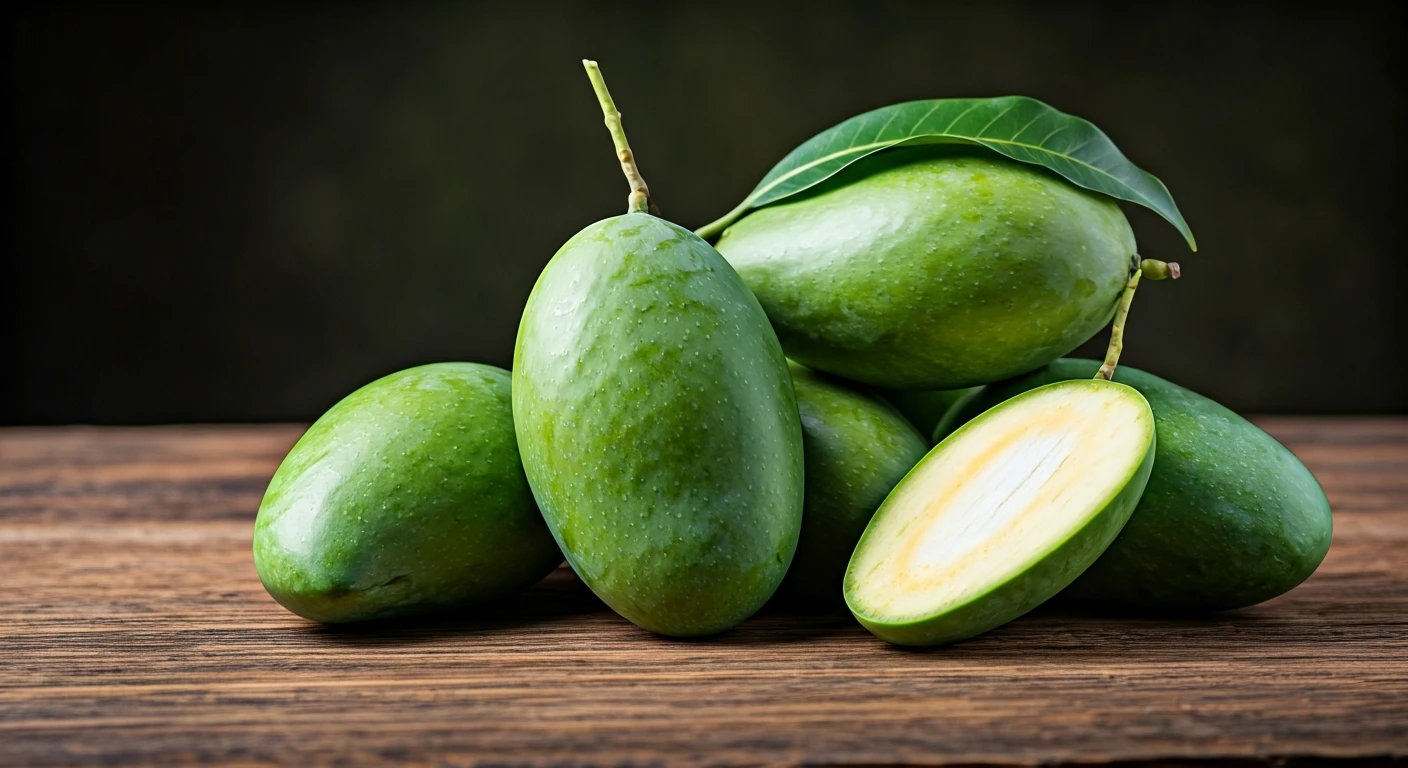
Simply put, kairi is the Hindi and Marathi word for raw, unripe mango. Before the mangoes on your supermarket shelf turn that familiar sunset orange and develop their honeyed sweetness, they spend months on the tree as hard, green, and incredibly sour
fruits. In the U.S., we tend to see this stage as a flaw—a fruit that isn’t ready. But across South Asia, particularly in India, the arrival of kairi in the spring is a celebrated event. It’s not an inferior mango; it’s an entirely different ingredient with its own culinary purpose. These firm, green orbs are harvested specifically for their tartness, which provides a cooling, palate-cleansing quality that’s perfectly engineered for scorching weather.
A Jolt of Tart, Tangy Flavor
If a ripe mango is a lush, sweet, tropical hug, then kairi is a brisk, electric handshake. The flavor is overwhelmingly sour, but in a clean, bright, and complex way—think of the acidic kick of a Granny Smith apple or a lime, but with a unique, slightly resinous, and distinctly tropical undertone. The texture isn’t the soft, pulpy flesh you might expect. Instead, it’s crisp and firm, often with a satisfying crunch when bitten into raw. This sharp flavor and firm texture make it a versatile powerhouse in the kitchen. It’s not something you’d eat out of hand for a sweet treat, but rather an ingredient used to add acidity, structure, and a jolt of freshness to drinks, chutneys, pickles, and curries.
The Ultimate Summer Cooler: Aam Panna
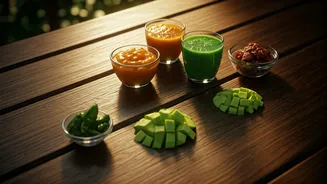
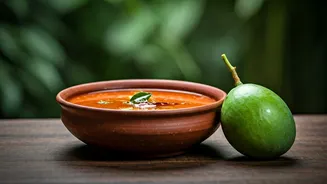
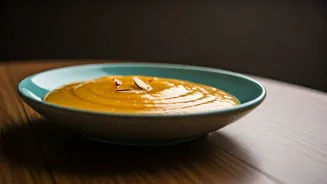
The most iconic application of kairi is Aam Panna, a revered summer beverage from North India. This isn't just a drink; it's a traditional remedy for heat stroke and dehydration. To make it, the raw mangoes are boiled or roasted until soft, which mellows their aggressive sourness into something more approachable. The pulp is then scraped out and blended with water, sugar (or jaggery), and a magical combination of spices. Typically, this includes roasted cumin powder for earthiness, black salt (kala namak) for a savory, funky depth, and fresh mint for a cool finish. Served chilled over ice, Aam Panna is the perfect balance of sweet, sour, and savory. It's profoundly refreshing in a way that plain sugar-water drinks can never be, replenishing salts and cooling you from the inside out.
Beyond the Drink: Pickles and Lentils
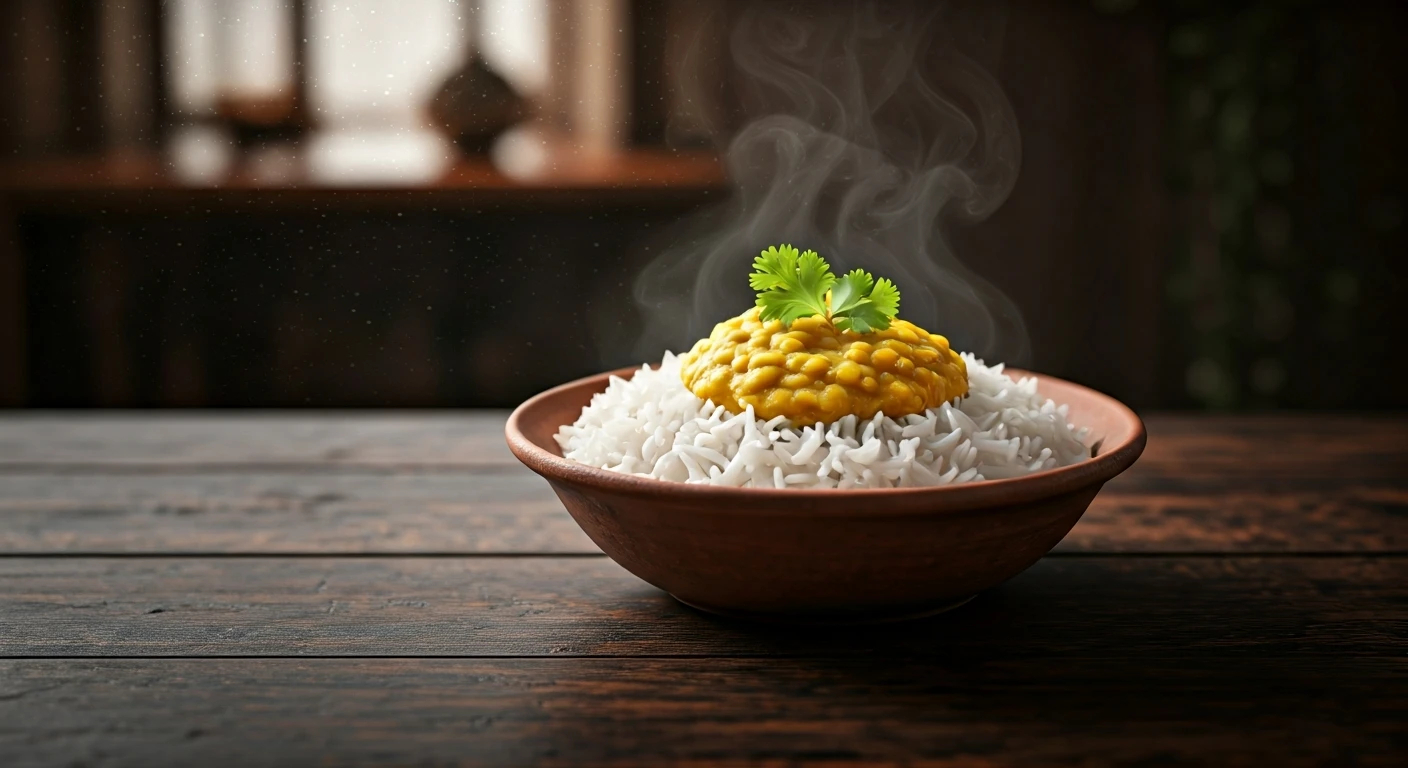
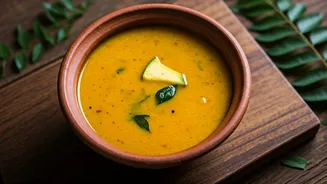
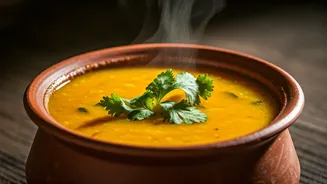
While Aam Panna might be its most famous role, kairi’s talents are vast. Its high acidity and firm flesh make it ideal for pickling. Indian households often make huge batches of raw mango pickle (achaar) at the start of the season, a fiery, pungent condiment preserved in oil and spices that lasts the whole year. In its simplest form, grated kairi is turned into a quick chutney (kairichi chutney) with coconut, chilies, and cilantro, served alongside rice and dal. It's also frequently added to lentil dishes, like dal, where small pieces of the raw mango dissolve slightly during cooking, infusing the entire dish with a subtle, pleasant tartness that cuts through the richness of the legumes. It acts as a natural souring agent, much like tamarind or lemon juice.
Finding and Choosing Your Kairi
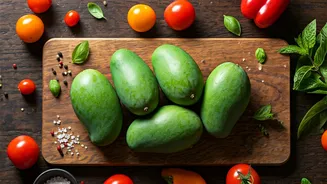
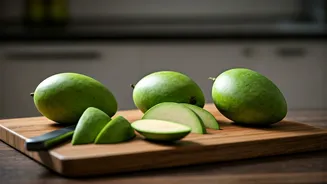
Your best bet for finding kairi is an Indian or South Asian grocery store, though some larger Pan-Asian or international markets may carry them during the spring and early summer. Look for mangoes that are uniformly green, rock-hard to the touch, and free from any soft spots or blemishes. A little wrinkling on the skin is okay, but you want to avoid any yellowing, which indicates the fruit is starting to ripen and lose its signature sourness. Once you get them home, they’ll keep in the refrigerator for a week or two. To prep, simply wash, peel the tough green skin with a vegetable peeler, and then either slice the flesh off the large central seed or grate it on a box grater, depending on your recipe.